From the file. Written for the paper dated March 2026. Opened in the public stacks July 14, 2026.
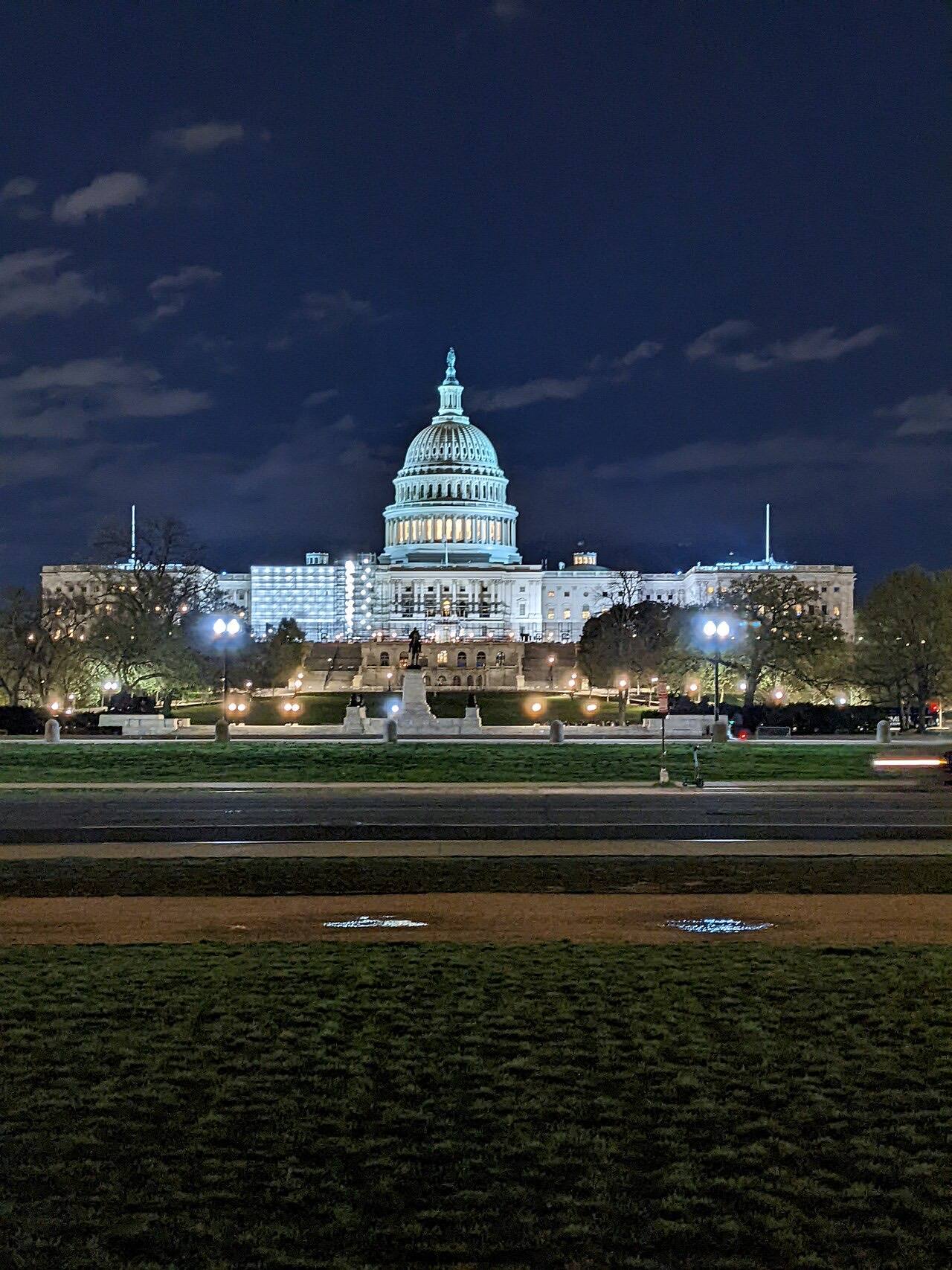
As Congress reaches another impasse over budget negotiations, the specter of a government shutdown looms large, revealing the deep-seated divisions that plague both parties.
Brinkmanship Defined
Shutdown brinkmanship has become a familiar refrain in American politics, with each party wielding the threat of halting government operations as a negotiating tactic. This week, the stakes have escalated, as Republicans and Democrats show little inclination to compromise. The nation watches anxiously, aware that a government shutdown could have dire consequences for millions of citizens relying on essential services.
"Both sides appear more interested in scoring political points than in serving the American people."
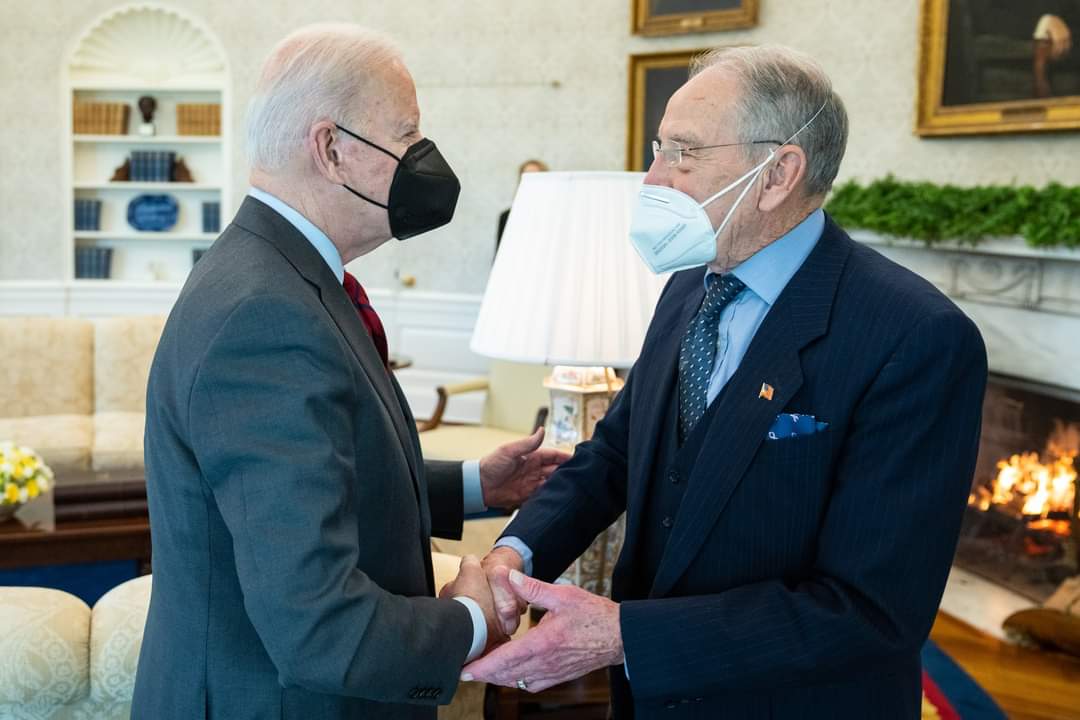
The current standoff stems from a clash over funding priorities. Republicans are pushing for significant cuts to social programs, while Democrats are staunchly defending these initiatives as vital to the welfare of the country’s most vulnerable populations. In the midst of this contention, moderate voices that once sought common ground seem increasingly drowned out, as party loyalty takes precedence over pragmatic solutions.
The Left’s Excesses
The left, emboldened by their electoral victories in recent years, has taken a hardline stance on maintaining funding for social services. While it is commendable to advocate for the welfare of those in need, there is a risk that such intransigence could lead to a shutdown that ultimately harms the very individuals they seek to protect. The insistence on all-or-nothing funding can alienate potential allies and discourage necessary compromise. Advocates must remember that effective governance often requires concessions, and a refusal to negotiate may do more harm than good.
The Right’s Miscalculations
On the other hand, the right's strategy of leveraging a government shutdown to extract concessions appears increasingly reckless. While fiscal responsibility is a noble objective, the consequences of a shutdown weigh heavily on everyday Americans. Essential services, from the processing of Social Security benefits to the functioning of national parks, are at risk of paralysis. The hard-right faction, in particular, seems indifferent to the fallout their tactics may engender, prioritizing ideological purity over the practical implications for constituents.
A Call for Compromise
As the weeks progress and the possibility of a shutdown looms larger, it is critical for both sides to recalibrate their approaches. A compromise does not equate to capitulation; rather, it reflects a commitment to governance that prioritizes the welfare of the nation over the whims of party loyalty. Lawmakers must recognize that the American public is exhausted by this cycle of brinkmanship and demands effective solutions.
In recent discussions, there have been murmurs of bipartisan talks, but these conversations often stall before they can gain momentum. Each party must be willing to cede ground if there is any hope of preventing a shutdown. The path forward lies in acknowledging that both sides hold valid concerns, and finding a way to address those concerns without resorting to extreme measures.
The Public’s Frustration
The public’s frustration with the current state of affairs is palpable. Polls indicate a growing discontent with how elected officials conduct themselves, with many Americans feeling that their representatives are more invested in partisan battles than in solving real issues. The stakes are high, and the repercussions of a shutdown could reverberate throughout the economy, affecting everything from small businesses to federal employees.
A Glimpse Ahead
Looking ahead, it is imperative for both parties to recognize the gravity of their actions. The next few weeks will be crucial in determining whether Congress can avert disaster or if it will plunge the nation into another shutdown. The answer lies not in stubborn adherence to ideology, but in a willingness to engage in genuine dialogue, to listen to the concerns of the opposing party, and to seek a path forward that serves the greater good.
As citizens await the outcome of these negotiations, one thing is clear: the time for posturing and partisan gamesmanship is over. The American people deserve leaders who will prioritize their needs over their own political agendas. If lawmakers cannot rise to this occasion, the consequences may not just be political; they could be deeply personal for countless individuals across the nation.
✦ ✦ ✦