From the file. Written for the paper dated February 2026. Opened in the public stacks July 14, 2026.
As headlines about scientific breakthroughs and climate crises dominate news cycles, the conversation around science education often gets lost in the noise. While the public grapples with the implications of scientific advancements, the nuts and bolts of how we educate future generations in this crucial field remain unexamined.
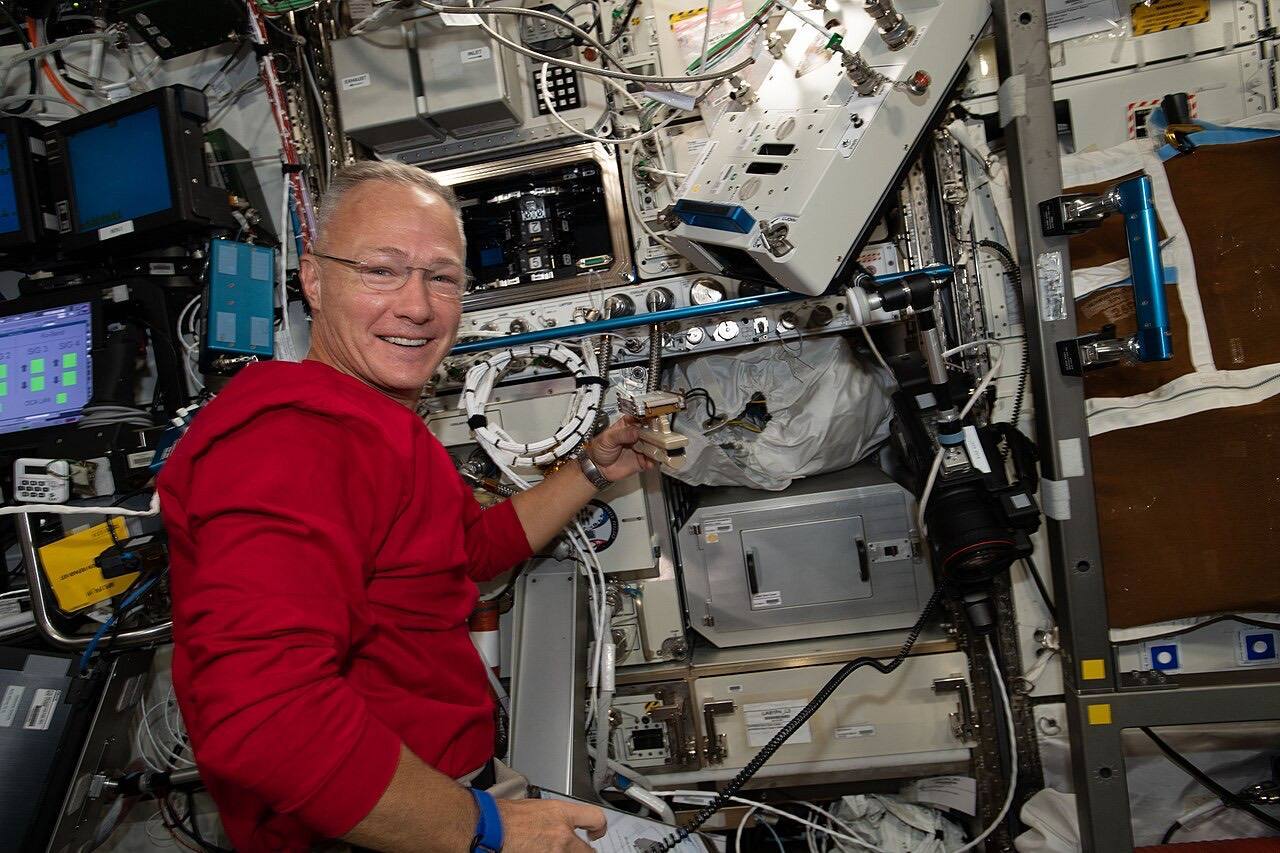
The Ignored Fundamentals of Science Education
In the wake of sensational headlines, there is a tendency to overlook the foundational elements of science education. We see politicians and activists passionately debating climate change, but what about the curriculum that prepares students to understand and engage with these issues? The reality is that science education is often sidelined, overshadowed by the urgency of current events. Yet, it is precisely this education that will equip the next generation to tackle the challenges posed by those very issues.

One of the central issues in contemporary science education is the lack of emphasis on critical thinking and scientific literacy. Many students graduate high school without a strong grasp of the scientific method or the ability to analyze data critically. Instead, they are often bombarded with facts and figures, leaving them ill-prepared to question the information they encounter in a world rife with misinformation.
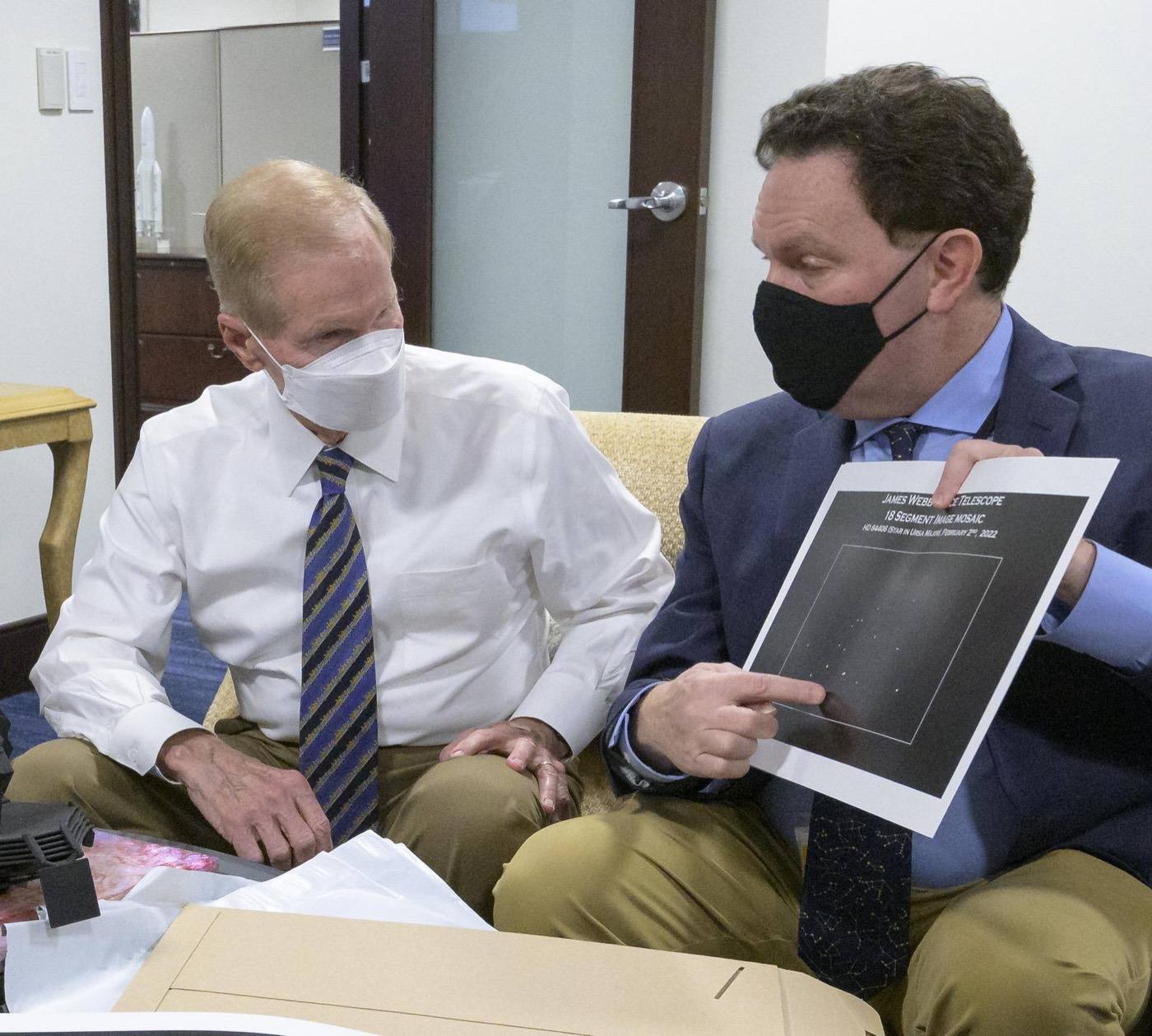
A Curriculum That Reflects Reality
Another significant issue is the disconnect between what is taught in classrooms and the real-world applications of science. Science curricula tend to focus heavily on traditional subjects like biology, chemistry, and physics, while neglecting emerging fields such as environmental science and biotechnology. This narrow approach limits students' exposure to the vast landscape of scientific inquiry and innovation.

Moreover, the push for standardized testing often exacerbates the problem. Teachers are pressured to teach to the test, which can stifle creativity and discourage exploration. Rather than fostering a love for science and inquiry, the educational system can create a checkbox mentality that prioritizes scores over understanding.
Excess on Both Sides: A Call for Balance
As we navigate the landscape of science education, we must also confront the excesses of both the left and the right. On one hand, some progressive advocates emphasize the urgency of teaching climate science and social justice within science education, sometimes at the expense of fundamental scientific principles. This can lead to a politicization of science that may alienate students who feel marginalized by the discourse or those who simply want to learn about the science itself.

On the other hand, there are those on the right who dismiss established scientific consensus on issues like climate change, promoting an anti-science sentiment that undermines the credibility of science education as a whole. This approach can create an environment where students are encouraged to reject scientific evidence in favor of ideological beliefs, further eroding the critical thinking skills that are essential for scientific literacy.
"The urgency of teaching science shouldn't come at the expense of teaching it well."
Both sides need to find common ground. It is essential to promote a curriculum that emphasizes not only the importance of scientific knowledge but also the methodologies that underpin it. By fostering a culture of inquiry and critical thinking, we can empower students to engage thoughtfully with the world around them.
Teachers: The Unsung Heroes
At the heart of effective science education are the teachers who inspire and guide students. Unfortunately, many educators face systemic challenges that hinder their ability to teach effectively. Underfunded schools, large class sizes, and a lack of resources can all contribute to a less than ideal learning environment. Moreover, teachers often lack the ongoing professional development needed to keep pace with advancements in science and pedagogy.
To truly revitalize science education, we must invest in our educators. Providing teachers with the resources, training, and support they need can lead to a more robust science curriculum that engages students and fosters a genuine interest in scientific inquiry. After all, a well-educated populace is crucial for addressing the pressing issues of our time.
Conclusion: A Collaborative Path Forward
In the face of pressing scientific challenges, it is imperative that we prioritize a balanced and comprehensive approach to science education. This means engaging with the complexities of the subject matter while also fostering an environment that encourages curiosity and critical thinking. As we strive to prepare the next generation for the challenges ahead, we must remember that effective science education is not just about the facts; it is about nurturing informed citizens who are equipped to navigate an increasingly complex world.
✦ ✦ ✦