From the file. Written for the paper dated February 2026. Opened in the public stacks July 14, 2026.
In a time when political discourse feels more polarized than ever, the middle seat method serves as a metaphor for the uncomfortable position many Americans find themselves in. It’s a solution that nobody wants to discuss, yet it may be the only way forward.
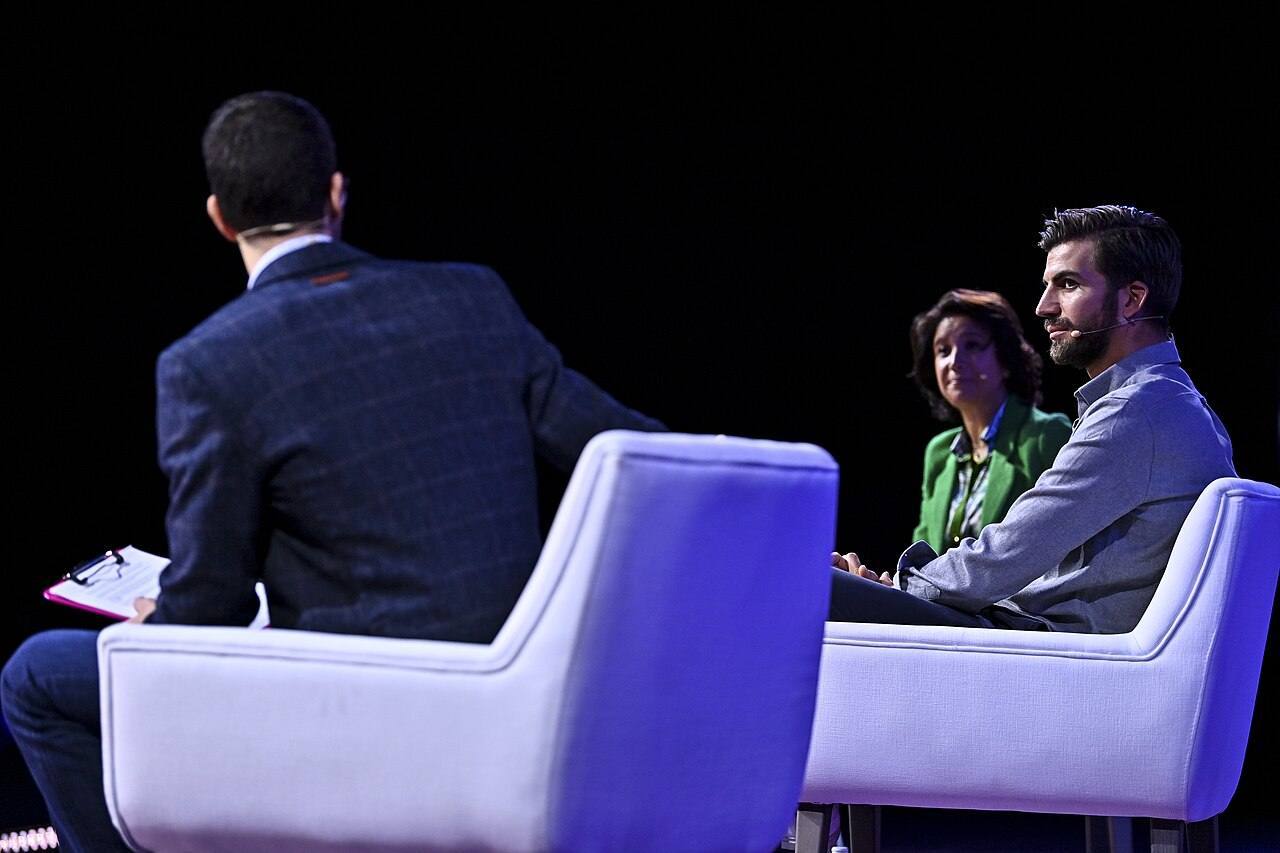
The Dilemma of Polarization
As we enter February 2026, the political landscape is fraught with division. The left and right extremes have taken center stage, drowning out moderate voices and rational discourse. This has led to a climate where compromise is seen as weakness, and dialogue is replaced by shouting matches. The middle seat method - an approach that encourages individuals to occupy a position of neutrality - could be a necessary antidote, even if it is not fashionable.

The left has increasingly embraced a rhetoric that champions social justice, diversity, and environmentalism. While these are undoubtedly important issues, the approach often comes with an underlying demand for conformity. Critics argue that this can alienate those who might have legitimate concerns about certain methods or policies. On the other side, the right has doubled down on its commitment to individual liberties and economic freedom, yet this can lead to a dismissive attitude toward collective responsibility and the pressing need for reform in areas like healthcare and education.

Why the Middle Seat Method Matters
The middle seat method isn't just about political moderation; it's about understanding the nuances that often get lost in the cacophony of extreme viewpoints. It recognizes that not every issue fits neatly into a binary framework. Adopting this method involves listening to all sides and considering the merits of various arguments, even if they challenge one's own beliefs.

"True progress can only be achieved when we sit together in the middle seat, confronting our differences with respect and understanding."
Taking a middle seat means stepping away from the echo chambers that have become the norm. It requires acknowledging that both sides have valid points, even if they come from vastly different philosophies. For instance, the left's emphasis on systemic change is crucial for addressing long-standing inequalities, while the right's focus on personal responsibility is essential for fostering self-reliance. By finding common ground, we can address the complexities of today's issues.
The Risks of Ignoring the Middle Ground
What are the risks of forsaking the middle seat? When we ignore moderate voices, we risk entrenching ourselves in a cycle of anger and misinformation. Extremism tends to thrive in environments where dialogue is stifled. For example, recent debates around immigration and climate change have often devolved into finger-pointing rather than constructive discussions. By sidelining moderates, we lose the chance to create policies that reflect a broader consensus.

Moreover, the consequences of this polarization go beyond politics - they seep into our social fabric. Friendships are strained, families are divided, and communities are fragmented. The middle seat method emphasizes the importance of connection and understanding, which is vital for healing these rifts. By engaging in civil discourse, we can foster an environment where people feel safe to express differing opinions without fear of retribution.
Implementing the Middle Seat Method
So how do we implement the middle seat method in our everyday lives? First, it requires a commitment to active listening. This means not just hearing what the other side says but genuinely engaging with their arguments. Instead of preparing a rebuttal while someone is speaking, we should focus on understanding their perspective.
Second, we must practice empathy. This means recognizing that behind every opinion is a personal story - individual experiences that shape our beliefs. When we approach discussions with compassion, we're more likely to find common ground. This doesn’t mean we have to agree with everything; rather, we acknowledge that each person’s viewpoint is valid based on their circumstances.
Conclusion: A Call to Action
As we navigate the turbulent waters of February 2026, it is crucial that we reclaim the middle seat. This approach demands courage and a willingness to engage with uncomfortable truths. It is not about diluting our beliefs but rather enriching our understanding of the world around us. We must challenge the notion that compromise is a dirty word and instead celebrate it as a pathway to progress.
Let us advocate for a political culture that values dialogue over division, where the middle seat is not a place of discomfort but a platform for meaningful change. Only then can we hope to bridge the gaps that separate us and work toward a more united future.
✦ ✦ ✦