From the file. Written for the paper dated February 2026. Opened in the public stacks July 14, 2026.
As the dust settles on the passing of the latest Farm Bill, the attention of the nation shifts from the celebratory rhetoric of lawmakers to the often-overlooked intricacies of agricultural policy-making that shape the future of American farming.

The Unseen Mechanics of the Farm Bill
The Farm Bill has long been a cornerstone of agricultural policy in the United States, but the public narrative surrounding it often glosses over the complex procedures that govern its creation and implementation. While both sides of the political spectrum tout their victories - be it in terms of subsidies for farmers or food assistance programs - the truth is that the legislative process is fraught with compromises, bureaucratic hurdles, and often, a lack of transparency.
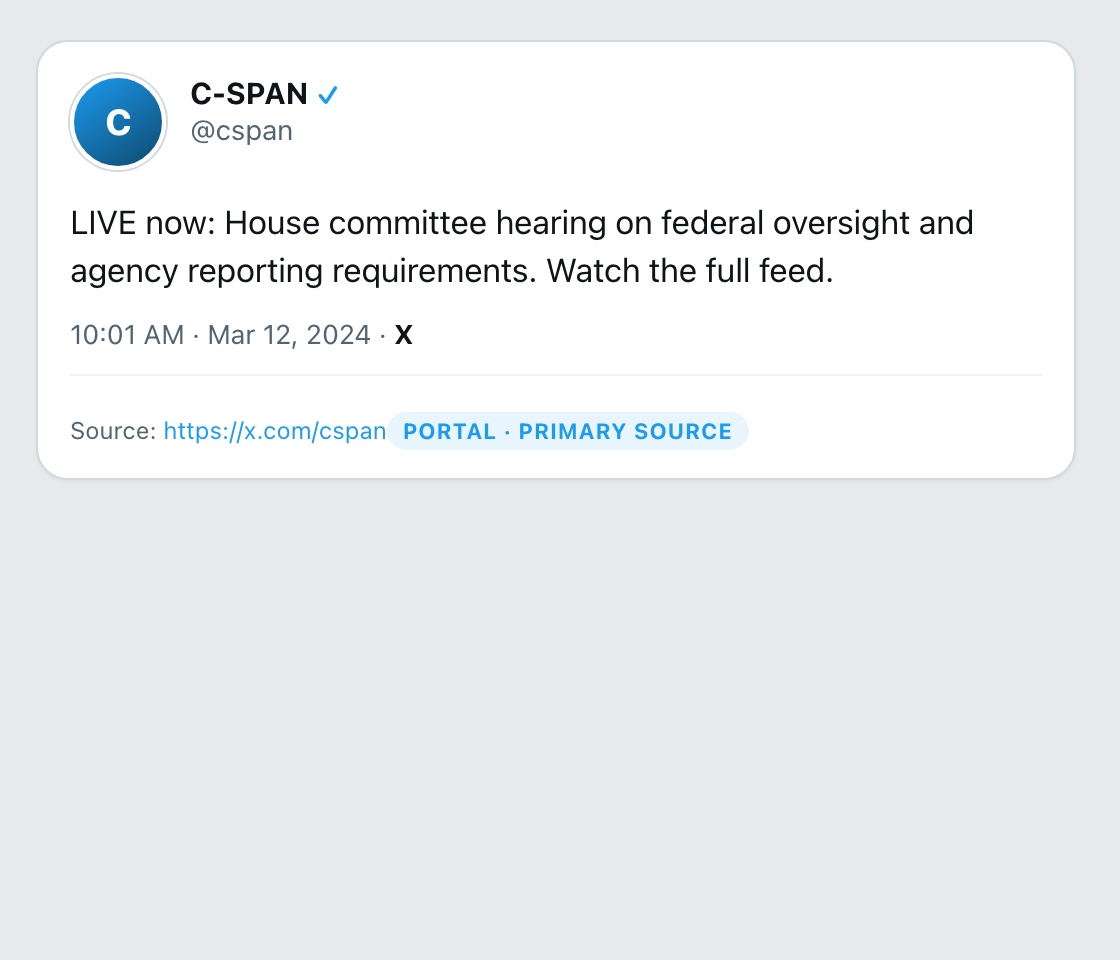
As Congress gears up for the next iteration of the Farm Bill, it is crucial to examine the procedural machinery that drives this essential piece of legislation. The debate that plays out in the media often emphasizes the high-stakes negotiations between party lines, but it is the underlying processes that dictate how these negotiations unfold - and how policies are ultimately shaped.

Negotiation or Stalemate?
In the current polarized political climate, the negotiation process for the Farm Bill serves as a microcosm of wider governmental dysfunction. On one side, progressives push for more robust climate initiatives and sustainable farming practices, while conservatives advocate for less regulation and greater support for traditional farming methods. Each side claims to represent the interests of farmers, but the reality is that both extremes often overlook the pragmatic middle ground that many farmers inhabit.
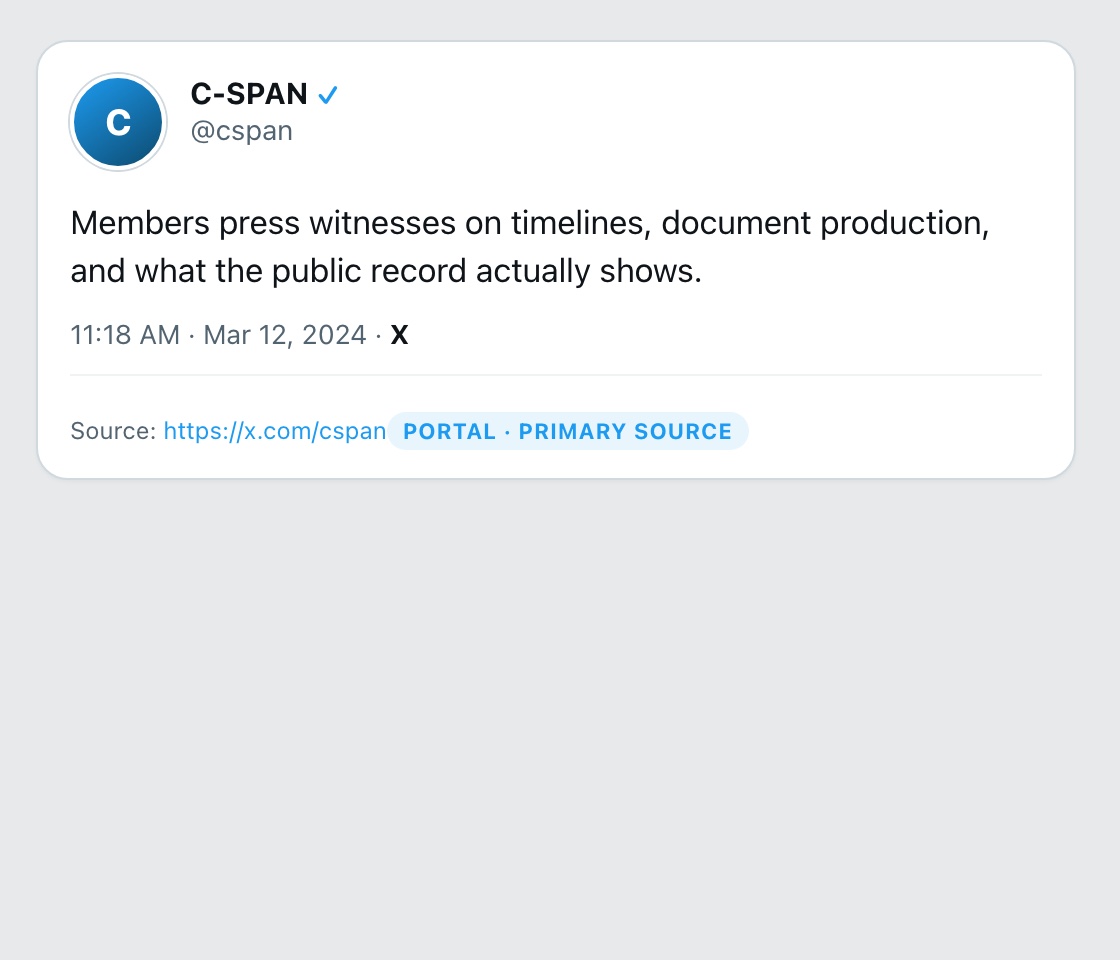
"The Farm Bill should be about farmers, not political posturing."
The result is a convoluted process that can lead to stalemates, delaying much-needed support for farmers and leaving critical issues unaddressed. The legislative dance becomes less about crafting effective policy and more about scoring political points. While both parties may each have their points of view, the real victims of this gridlock are the very farmers they claim to support.
A Complicated Funding Landscape
Another often-ignored aspect of the Farm Bill is the way funding is allocated. While the bill is designed to provide support for a variety of agricultural programs, the allocation process can become a battleground of its own. Competing interests vie for limited resources, and the outcome often reflects the power dynamics at play in Congress rather than the actual needs of American farmers.
For instance, large agribusinesses often find themselves at the forefront of funding discussions, overshadowing small family farms that struggle to make ends meet. The result is a funding landscape where the loudest voices get the most attention, leaving many farmers feeling neglected and disconnected from the legislative process.
The Call for Transparency
As we look ahead to future Farm Bills, it is imperative that legislators prioritize transparency and inclusivity in the process. Farmers and constituents deserve to have their voices heard, but the current procedural framework often prioritizes political maneuvering over genuine dialogue. This lack of transparency not only alienates farmers but also erodes public trust in the institutions meant to serve them.
Both progressive and conservative factions must acknowledge that a healthy agricultural sector is not just about partisanship; it is about finding solutions that work for all stakeholders involved. This means engaging with farmers who are on the ground, rather than relying solely on lobbyists and special interest groups.
Finding Common Ground
Ultimately, the success of the Farm Bill hinges on the ability of lawmakers to transcend ideological divides and engage in meaningful dialogue. Both sides must recognize that the path forward is not paved by extreme positions but by collaboration and compromise. The political theater surrounding the Farm Bill may capture headlines, but it is the behind-the-scenes negotiations that will determine the future of American agriculture.
✦ ✦ ✦