From the file. Written for the paper dated February 2026. Opened in the public stacks July 14, 2026.
In the wake of a series of high-profile cabinet resignations, the nation is left grappling with the implications of a political landscape that seems increasingly defined by instability and public outcry.
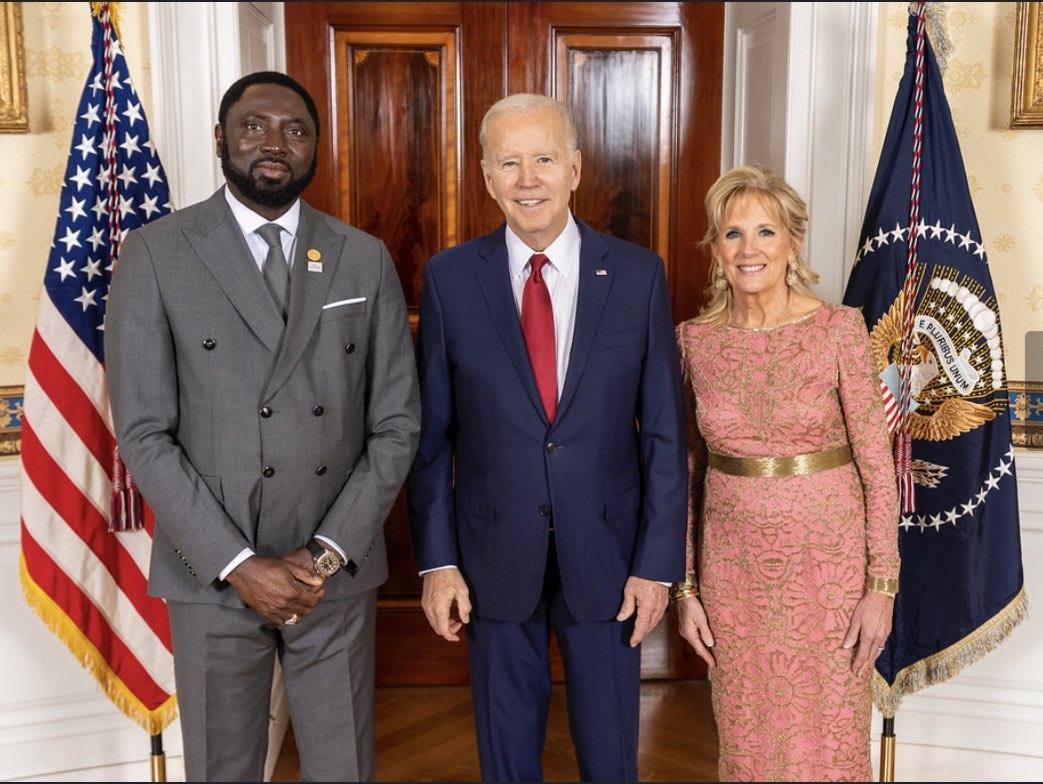
The Unspoken Procedure
Cabinet resignations have become a focal point of political discourse, often portrayed as a dramatic response to public pressure or scandal. However, what remains largely unexamined is the intricate procedure behind these departures, a process that few are willing to discuss openly. The resignation of a cabinet member is not merely an emotional reaction; it is a calculated decision wrapped in layers of political strategy and media manipulation.

As the current administration faces mounting criticism from both sides of the aisle, the motivations behind these resignations reveal a troubling trend. On one hand, members of the left are quick to point fingers, labeling resignations as a sign of failure and incompetence. Yet, this narrative often overlooks the reality that many resignations are orchestrated to deflect blame and restore public confidence, rather than an indication of genuine accountability.

Conversely, the right has seized upon these moments to advocate for a more aggressive approach to governance, insisting that every resignation is a call to arms against a perceived liberal agenda. This rhetoric tends to overlook the fact that cabinet members are not merely pawns in a political game; they are individuals who may find themselves at odds with the very policies they are tasked to implement. In this sense, both sides are complicit in a cycle of blame that ultimately undermines the integrity of our political institutions.

"The drama of resignations often overshadows the real discussions we need to have about governance and accountability."
The Media's Role
The media, for its part, plays a significant role in shaping public perception around cabinet resignations. Headlines blaring about a cabinet member’s departure can often eclipse the nuanced discussions that should follow. Instead of delving into the complexities of the resignation process, many outlets reduce these events to sensational stories, focusing on the scandal rather than the implications for policy and governance.
Moreover, the tendency of certain media personalities to frame resignations as victories or defeats for particular political factions simplifies a complex issue that demands a more nuanced understanding. This oversimplification ultimately serves to polarize public opinion further, creating an environment where substantive dialogue is sacrificed for the sake of clickbait and ratings.

A Culture of Resignation
The current state of American politics suggests that resignations have become a normalized aspect of governance, rather than a rare occurrence reflecting grave missteps. When cabinet members resign, it is often viewed as a necessary step to maintain the facade of accountability; however, this leads to a troubling culture where the act of resigning is more about preserving political capital than enacting real change.
As both sides of the political spectrum continue to engage in this game of resignation, the real issue remains unaddressed: how do we create a system where cabinet members are encouraged to stand by their convictions, rather than bowing to the relentless pressure of party politics? The answer is not as simple as it seems, and it requires a collective effort to foster a political climate that values integrity over expediency.
Moving Forward
As we move further into 2026, the challenge lies in addressing the underlying issues that contribute to the frequent turnover of cabinet members. It is essential that both the left and the right engage in a meaningful dialogue about the purpose and implications of these resignations, rather than using them as opportunities for political theater.
Real accountability must extend beyond the resignation of individual cabinet members. It must encompass a broader examination of the policies and practices that create a toxic political environment. Until we shift our focus from the spectacle of resignations to the systemic issues at play, we will remain trapped in a cycle of blame and scapegoating.
Conclusion
In conclusion, the phenomenon of cabinet resignations is not merely a headline but a reflection of deeper issues within our political system. Both the left and right are guilty of exploiting these moments for their narratives, often at the expense of meaningful discourse. As we navigate this tumultuous political landscape, it is imperative that we prioritize accountability and integrity over sensationalism and partisan gain.
✦ ✦ ✦