From the file. Written for the paper dated January 2026. Opened in the public stacks July 14, 2026.
As we navigate the tumultuous political landscape of January 2026, the concept of oversight has emerged as a contentious and often misunderstood topic. While the term conjures images of intense scrutiny and accountability, the reality behind effective oversight is far more mundane and complex.

The Oversight Dilemma
In a time when both the left and right seem to wield their ideologies as weapons, the need for genuine oversight has never been more critical. However, rather than fostering a culture of accountability, the political discourse surrounding oversight often devolves into partisan squabbling. This presents a paradox: how can we demand accountability from our institutions while simultaneously allowing political zeal to drown out reasoned debate?
“Oversight isn’t about grandstanding; it’s about the meticulous work that ensures our democracy functions as it should.”
The left often champions oversight as a means to protect the vulnerable and ensure government accountability. However, their pursuit can become so zealous that it risks stifling legitimate discourse and innovation. On the other hand, the right frequently critiques oversight as an overreach, arguing that it hinders efficiency and impedes the free market. Yet, in their push against what they term 'government overextension,' they sometimes overlook the necessity of checks and balances that ensure trust in public institutions.

The Mechanism of Oversight
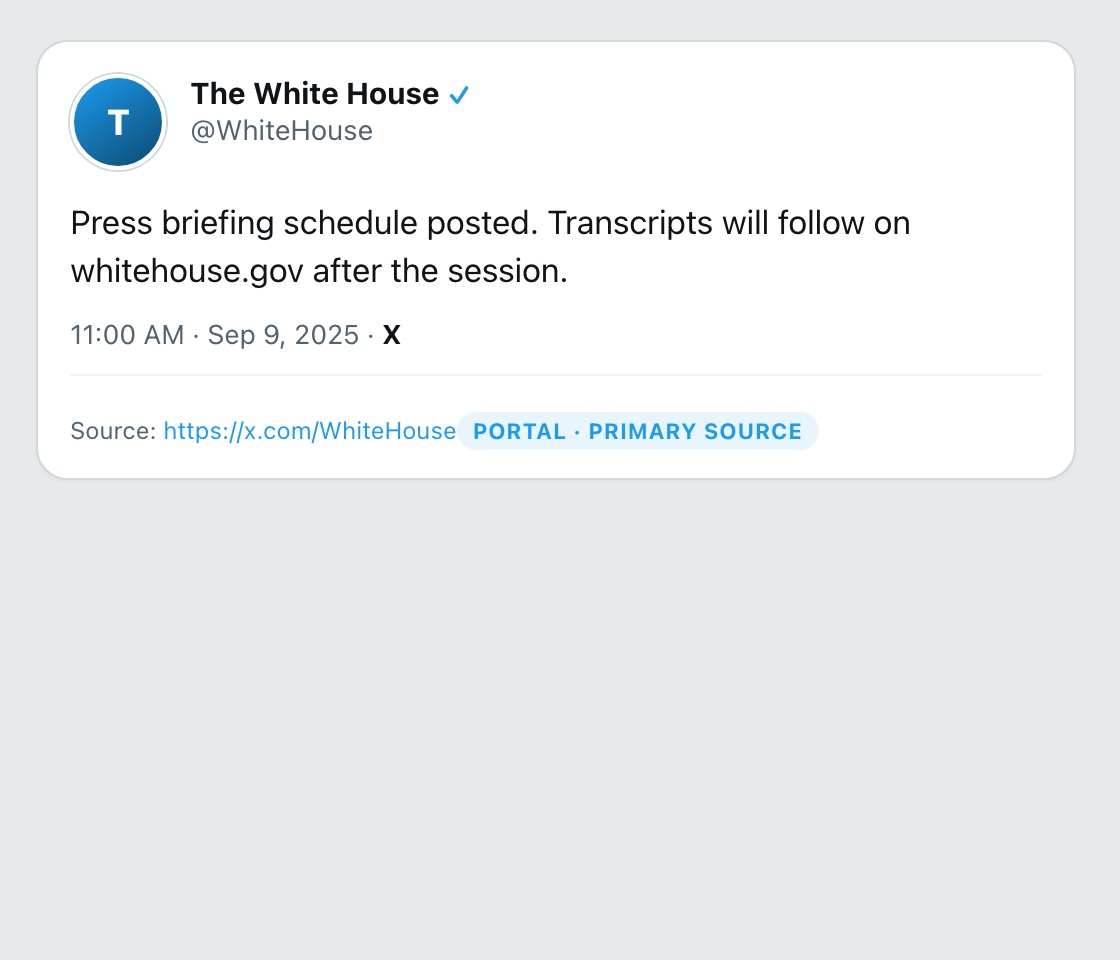
Oversight, in its truest form, requires a structured approach. It demands that we establish clear parameters, define roles, and set expectations. This is where the boring mechanics of oversight come into play: regular audits, transparent reporting, and systematic evaluations are essential components. These processes may not capture headlines or ignite passionate Twitter debates, but they form the backbone of effective governance.
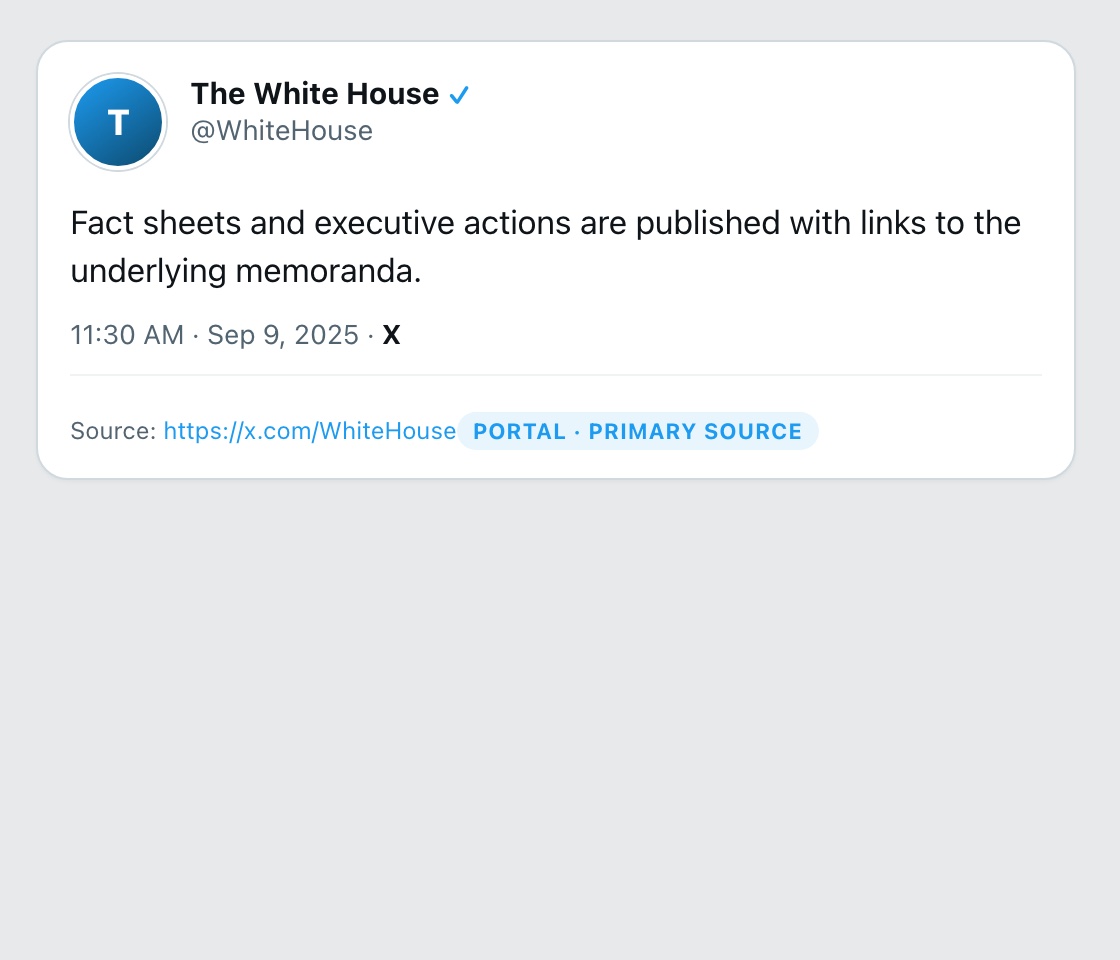
When either side of the political spectrum overlooks the importance of these mechanisms, it creates an environment ripe for abuse. The left may push for oversight without acknowledging the operational limitations of institutions, while the right may advocate for freedom from regulation without recognizing the potential for corruption and mismanagement. Both extremes fail to grasp that oversight is not merely a tool for political maneuvering; it is a foundational element of democracy.
The Cost of Inaction
The rhetoric surrounding oversight has often eclipsed its necessity. When we neglect the mechanisms that ensure accountability, we pay a steep price. In recent years, we have seen various scandals unfold, revealing the consequences of lax oversight. Whether it is government agencies operating without sufficient scrutiny or corporations exploiting loopholes, the impact is felt by the public. Citizens become disillusioned, and trust in our institutions erodes.
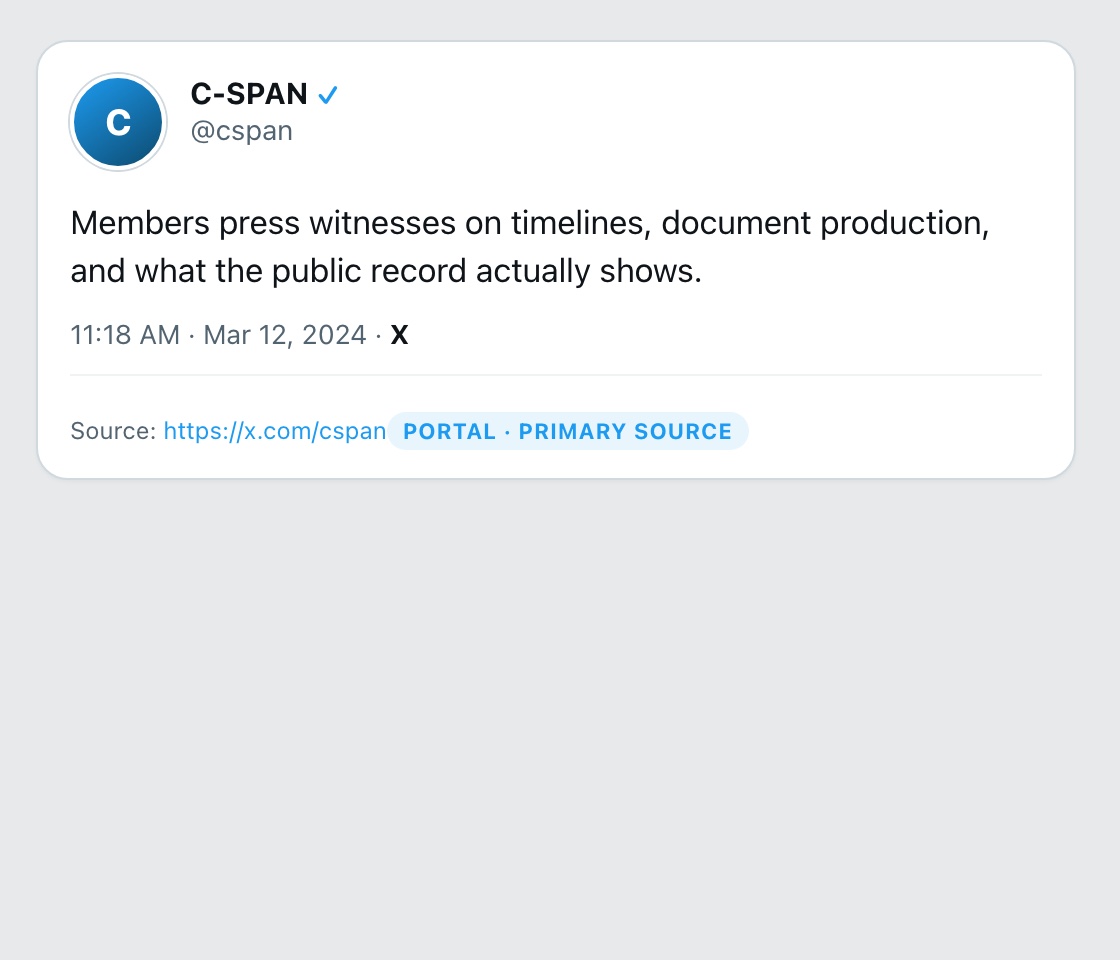
Moreover, the current climate has led to an oversimplification of oversight’s role. It is often framed as a binary choice - either you are for strict oversight, or you are against it. This framing ignores the nuanced reality that effective oversight requires balance and a commitment to reasoned, evidence-based practices. We must reject the extremes and advocate for a more measured approach that values both accountability and efficiency.
A Call for Bipartisan Effort
As we forge ahead in 2026, it is imperative that we cultivate a bipartisan commitment to oversight that transcends political divides. This means recognizing that oversight is not a tool for one party to wield against the other but rather a shared responsibility that upholds the principles of democracy. Both the left and the right must engage in genuine discussions about the mechanisms of oversight, ensuring that they are both effective and fair.
To this end, we must encourage our leaders to focus on the boring, yet vital, aspects of governance. It is time to prioritize the foundational elements that make our democracy work. Oversight should not be viewed as a battleground for political warfare but as a collaborative effort to protect the integrity of our institutions and the rights of our citizens.
In conclusion, let us strive for a discourse that emphasizes the importance of oversight through its mechanisms rather than through the lens of partisanship. As we move forward, it is our collective responsibility to engage in the hard, often unglamorous work of governance, ensuring that our call for accountability is both grounded in reality and free from the distortions of political excess.
✦ ✦ ✦