From the file. Written for the paper dated January 2026. Opened in the public stacks July 14, 2026.
On Lab Safety, and the Boring Mechanism Behind the Noise
As we step into 2026, the conversation surrounding lab safety remains a cacophony of opinions, with both extremes of the political spectrum contributing to the clamor. Yet, amid the noise, the fundamental principles of lab safety often find themselves overshadowed by sensational narratives and ideological bickering.

In recent months, we've witnessed a resurgence in public interest regarding laboratory practices, particularly in the wake of high-profile incidents that have raised eyebrows and sparked debates. The left has rallied for stringent regulations, while the right often champions the need for less government interference. The result is a polarized discussion filled with hyperbole, which frequently misses the mark on the core issues at hand.

“In the pursuit of safety, we must not overlook the importance of practical solutions over ideological battles.”
To demystify the complexities of lab safety, it's essential to focus on the fundamentals - those "boring mechanisms" that ensure a safe working environment. Most laboratory accidents stem from preventable causes: inadequate training, poor communication, and a lack of adherence to established protocols. These issues are not sexy; they do not make headlines. Yet, they represent the underlying mechanisms that, when neglected, lead to catastrophic failures.
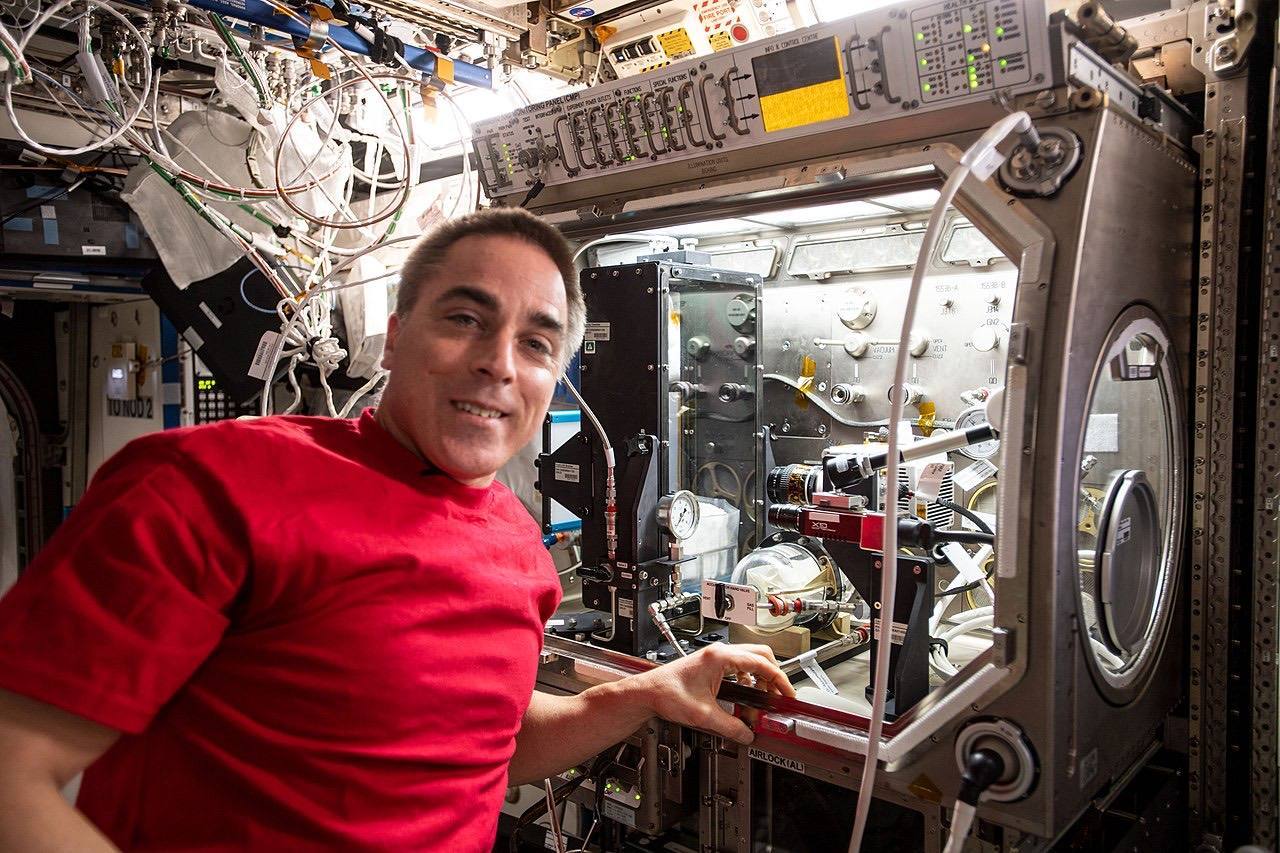
Consider the role of proper training. A laboratory is not just a space filled with equipment; it is a dynamic environment where safety protocols must be second nature to all personnel. Recent surveys indicate that many lab accidents occur due to a lack of familiarity with safety procedures. While the left pushes for stricter governmental oversight, the right often dismisses these accidents as isolated failures rather than systemic issues that require attention.

Moreover, communication is key. In many cases, safety information is not effectively conveyed among team members. The left often advocates for comprehensive oversight to ensure that safety protocols are communicated clearly. However, this can sometimes devolve into a bureaucratic nightmare, with layers of regulations that complicate rather than simplify safety procedures. On the other hand, the right's push for less government regulation can lead to a laissez-faire attitude that neglects the need for continuous education and communication within laboratories.
As we navigate through this polarized landscape, the most pragmatic approach should focus on the science of safety rather than the politics of safety. Regular safety audits and inspections are invaluable tools in this regard. They serve as a reminder that safety is not a one-time checklist but a continuous process that demands vigilance and commitment from all staff members.

“Safety is not merely a checkbox on an inspector's list; it is a culture that must be cultivated.”
One cannot ignore the influence of funding and resources on lab safety as well. Complaints from researchers about budget cuts often lead to discussions about the adequacy of safety measures. The left argues for increased funding to ensure that laboratories can afford the necessary safety equipment and training, while the right often contends that efficiency and innovation can be compromised by excessive spending. Both perspectives, however, risk overlooking a crucial point: safety is an investment that pays dividends in preventing accidents and fostering a productive research environment.
Furthermore, the issue of accountability emerges as a crucial component in the safety dialogue. Who is responsible when a laboratory incident occurs? The left calls for stricter penalties for negligence, while the right advocates for personal responsibility among researchers. This dichotomy can lead to a confusing landscape where the true essence of accountability is lost in the shuffle. Instead of creating a blame culture, we should be fostering an environment where feedback and improvement are encouraged.
In the end, effective lab safety hinges on a balanced approach that incorporates the best elements from both sides of the aisle. We must prioritize practical solutions, such as ongoing training, clear communication, and sufficient funding for safety initiatives, rather than letting ideological divides dictate the conversation. It is time for us to tune out the noise and focus on the boring mechanisms that truly matter in ensuring safety in our laboratories.
✦ ✦ ✦