From the file. Written for the paper dated January 2026. Opened in the public stacks July 14, 2026.
As the nation stares at yet another judicial vacancy, an entire political theater unfolds, shrouded in grandstanding and noise, while the underlying mechanisms of the confirmation process remain markedly dull.
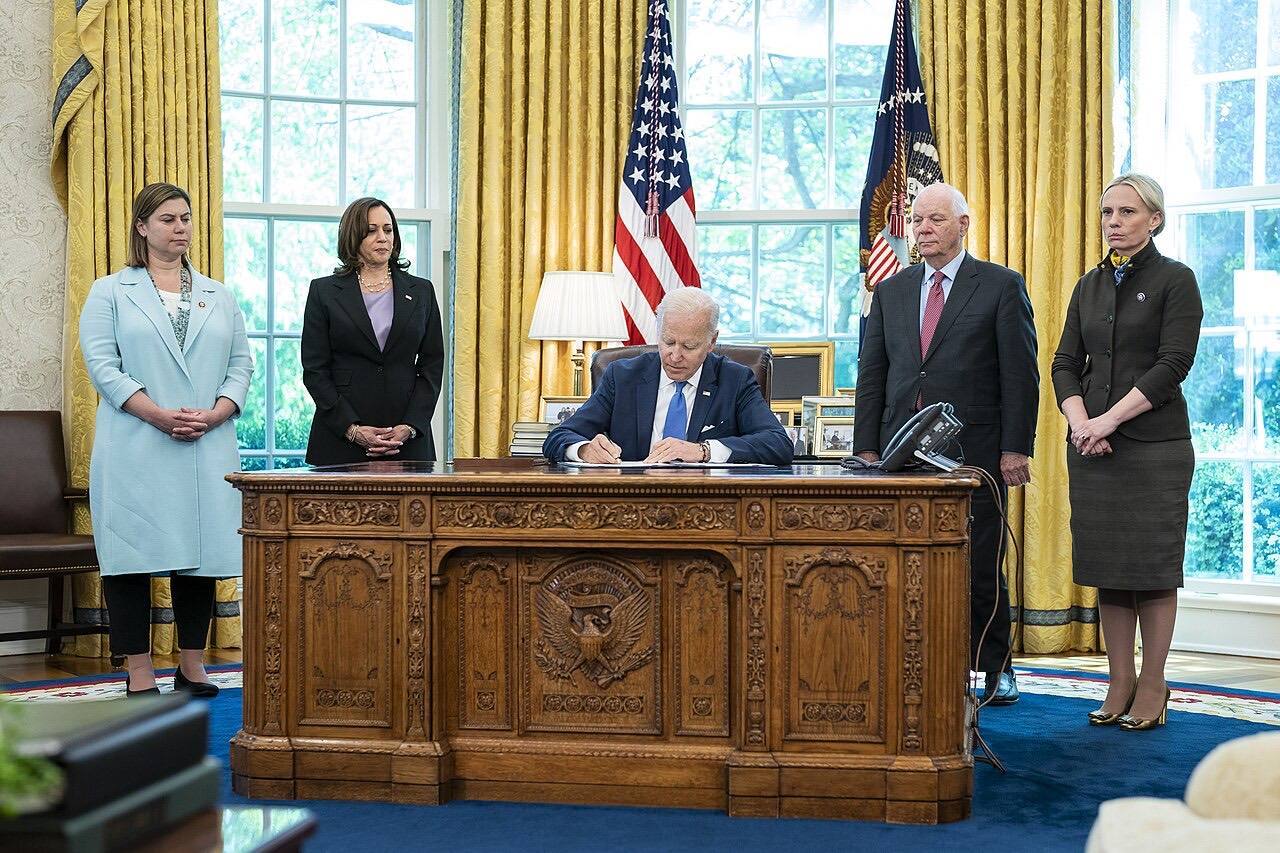
The Political Circus
The recent announcement of a vacancy on the Supreme Court has ignited a firestorm of rhetoric from both sides of the political aisle. For the left, this is a call to arms, a chance to push for a nominee who reflects progressive values, while for the right, it is an opportunity to rally around a candidate who promises to uphold what they perceive as traditional values. Yet, amid this cacophony of partisan cries, it is essential to peel back the layers and examine the routine mechanics behind the scenes.

In a time when the stakes have never seemed higher, the reality is that the confirmation process is less about fiery speeches and more about procedural norms and political maneuvering. The very mechanics of how a nominee is selected, vetted, and eventually confirmed rarely receive the attention they deserve. Instead, we are treated to a spectacle of ideological clashes and emotional appeals that often distract from the nuts and bolts of the process.
The Nomination Process
When a judicial vacancy arises, the sitting president typically consults with advisors and key senators. This often results in a shortlist of potential nominees, which, in turn, is scrutinized for ideological compatibility and public perception. The selection process, however, is often influenced by the political landscape, including the makeup of the Senate and the prevailing public sentiment.

"In the end, the nominee is often less a reflection of judicial philosophy and more a product of political calculus."
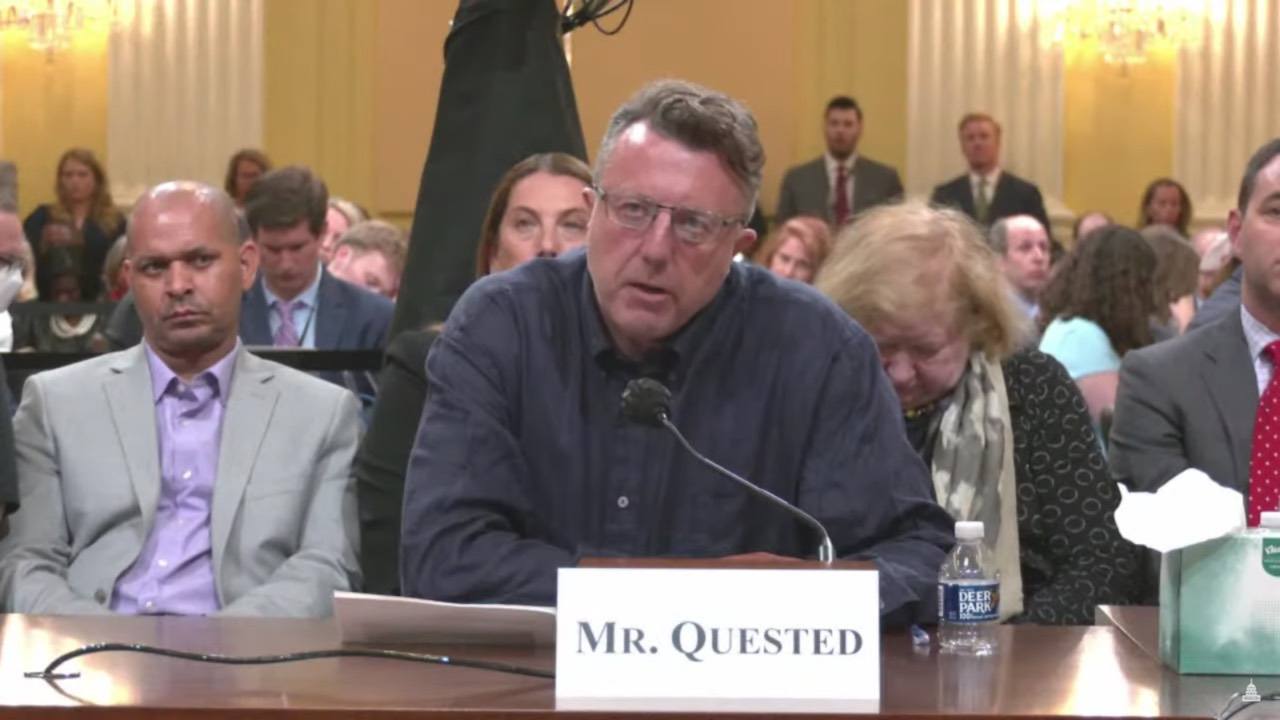
This is where the real drama lies. The nominee's journey to confirmation is fraught with challenges: meetings with senators, public hearings, and a barrage of questions that can range from the substantive to the absurd. This phase of the process is designed to assess not just the qualifications of the nominee but their ability to withstand intense scrutiny and media pressure.
The Role of the Senate
Once a nominee is put forth, the Senate Judiciary Committee takes center stage. Here, the hearings are often more theatrical than substantive. Senators from both parties utilize their time to score political points rather than engaging in meaningful discussion about the nominee's qualifications. The left may focus on issues like reproductive rights and healthcare, while the right emphasizes constitutional interpretation and gun rights.

The spectacle of these hearings often overshadows the fact that the Senate's role is fundamentally about advice and consent. Senators are tasked with evaluating whether a nominee is fit for the position, yet the process frequently devolves into partisan posturing. The result is a confirmation process that feels more like a battleground than a serious examination of judicial philosophy.
The Impact on Governance
As this cycle of noise and distraction continues, it raises questions about the overall health of our democracy. When confirmation hearings become spectacles, the substantive discussions about the role of the judiciary in American life get lost. The left's desire for a more progressive judiciary can often lead to a dismissal of nominees who may not align perfectly with their views, while the right's insistence on traditionalist judges can overlook the need for a judiciary that reflects the complexities of modern society.
Moving Beyond the Noise
To truly understand the implications of these judicial vacancies, citizens must look beyond the immediate noise and recognize the underlying processes that dictate the shape of our judiciary. While it is easy to become wrapped up in the drama of the moment, it is vital to advocate for a confirmation process that prioritizes merit and judicial philosophy over political expediency.
The left and right must grapple with the fact that while their ideological battles may seem urgent, the integrity of the judiciary is at stake. A focus on qualifications and a commitment to a fair process can help restore faith in a system that has become increasingly partisan.
The Path Ahead
As we move forward, it is imperative to advocate for a judiciary that is reflective of our diverse society. This requires a willingness to engage in substantive discussions rather than succumbing to the allure of political theater. Both sides must recognize that the selection of judges is not just a game to be won but a responsibility to be honored.
In a time when political divisions feel insurmountable, the call for a more thoughtful, less sensational judicial nomination process is essential. It is time to prioritize the boring mechanics behind the noise, for it is here that the true future of our judiciary lies.
✦ ✦ ✦