From the file. Written for the paper dated January 2026. Opened in the public stacks July 14, 2026.
Cabinet resignations often ignite headlines and fuel speculation, but the reality is often far more mundane than the drama suggests.

In January 2026, the political landscape has been punctuated by a series of cabinet resignations that have captured the attention of both sides of the aisle. While these departures can create a whirlwind of speculation and intrigue, the true mechanics behind them often reveal a more tedious, albeit important, picture.

The Repetitive Cycle of Resignations
Cabinet changes are not unusual in the landscape of American governance; they are part of a repetitive cycle that reflects both the shifting priorities of an administration and the personal ambitions of those within it. Resignations can stem from a variety of factors: personal reasons, political disagreements, or the simple desire to pursue new opportunities. Yet, they often spark a frenzy of rumors about the stability of the administration and its policies.
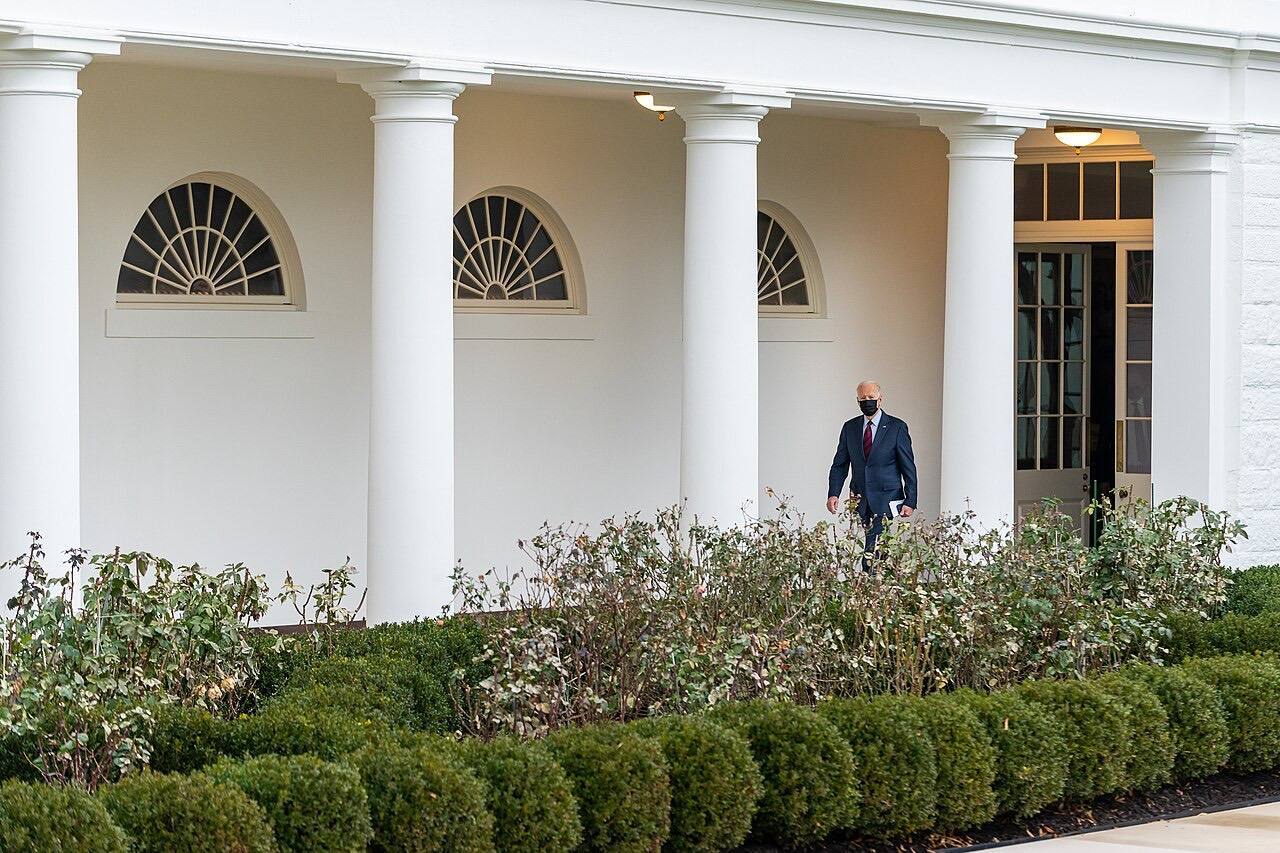
Take the recent resignation of Secretary of Commerce, for instance. While pundits on both sides rushed to interpret this as a sign of impending chaos within the government, the truth was far less sensational. Sources indicate that the Secretary had been contemplating a move for months, driven by a desire to return to the private sector after years of public service. In this case, the resignation was more about individual career trajectories than any broader political fallout.

The Role of Political Theater
Political theater plays a significant role in how these resignations are perceived. The left often frames such departures as a sign of systemic failure, while the right tends to treat them as evidence of a lack of leadership. This binary interpretation does a disservice to the complexities involved in governance. Not every resignation is a catastrophe, nor is every departure an indication of discord.
“The drama surrounding cabinet resignations often overshadows the essential functions of governance.”
Indeed, the media frenzy can overshadow the essential functions of governance. Rather than focusing on the implications of a secretary's policies or the programs they championed, the discourse often devolves into finger-pointing and blame. This obsession with the sensational distracts from the real work that needs to be done, fostering an environment where constructive dialogue is drowned out by partisan outrage.

Missed Opportunities for Collaboration
Both sides of the political spectrum have a responsibility to foster a more balanced narrative around cabinet changes. The left's tendency to criticize every resignation as an indication of failure risks alienating potential allies who may possess valuable insights and expertise. Conversely, the right’s efforts to downplay the significance of departures can lead to a lack of accountability and a failure to address systemic issues.
The common ground often lies in the understanding that cabinet members serve at the pleasure of the president. Their resignations can lead to realignment within the administration, prompting fresh perspectives and initiatives. However, this potential for renewal is often lost in the din of partisan rhetoric.
The Real Impact of Resignations
What is often overlooked is the impact that these resignations can have on the legislative agenda. Transition periods can create a vacuum that stymies progress on key initiatives. The focus on personnel changes can divert attention from pressing issues such as healthcare reform, climate action, and economic recovery. This is where the excesses of both sides can have real consequences for the American public.
Calls for a More Constructive Narrative
As the new year unfolds, it is imperative for commentators, politicians, and citizens alike to move beyond the sensationalism that cabinet resignations provoke. By embracing a more nuanced view, we can better understand the motivations behind these changes and their potential to impact policy in meaningful ways.
We should be asking ourselves what these changes mean for the direction of the administration rather than merely speculating about the future stability of the government. Constructive discourse can lead to a more informed public, ultimately resulting in better governance.
Conclusion: Balancing Noise with Substance
As we advance into 2026, the challenge remains for both sides to strike a balance between the noise of political drama and the substance of policy discussions. Cabinet resignations are a part of the political game, but how we interpret and respond to them can either enhance or hinder our democratic processes.
Understanding the boring mechanisms behind the noise of resignations is crucial to fostering a political climate that prioritizes constructive dialogue over partisan bickering. Only through this lens can we hope to navigate the complexities of governance and advocate for the progress our nation so desperately needs.
✦ ✦ ✦