From the file. Written for the paper dated December 2025. Opened in the public stacks July 14, 2026.
As the year draws to a close, the debate surrounding border policy remains as contentious as ever, with both sides of the political spectrum presenting their interpretations of the facts.
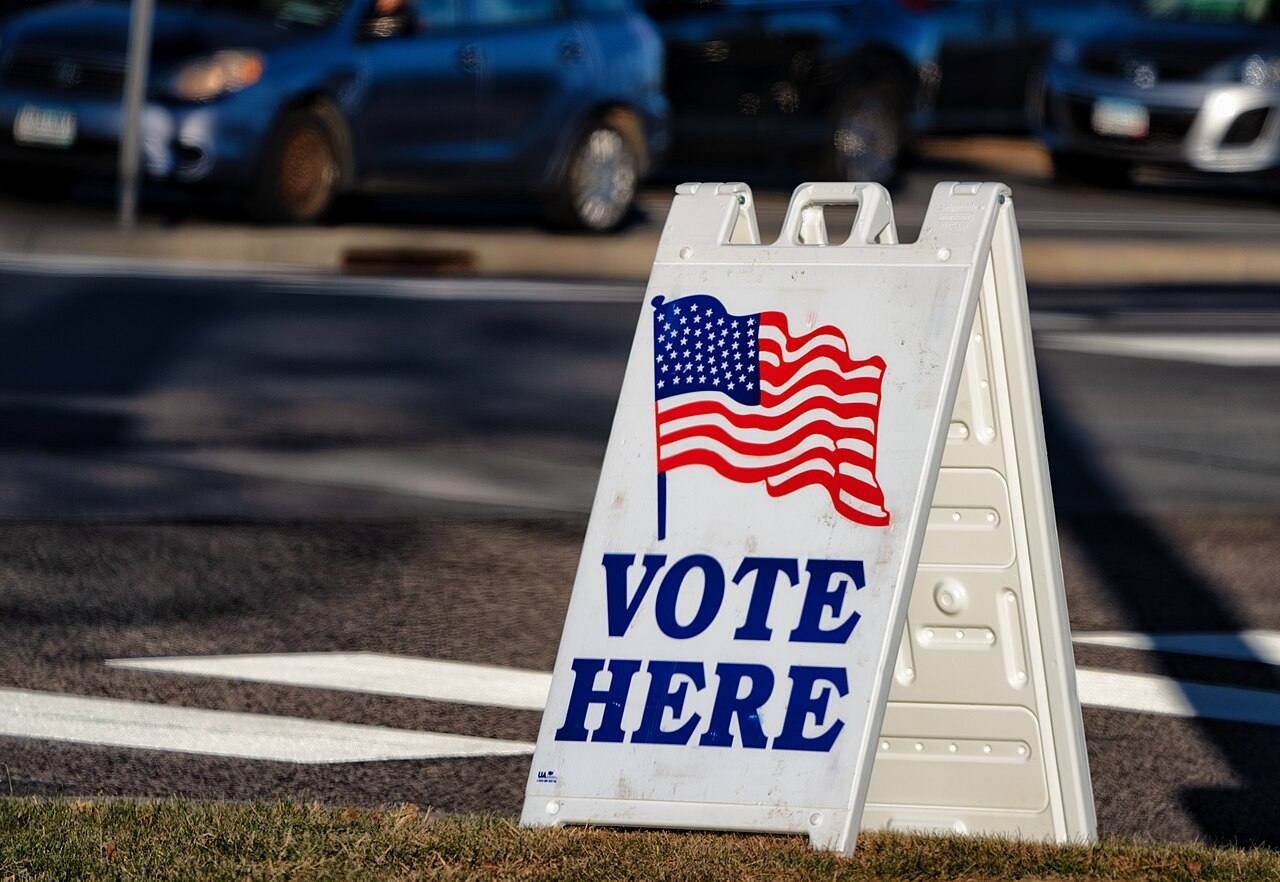
Understanding Border Policy Mechanics
The mechanics of border policy in the United States have become a complex interplay of law, enforcement, and human rights. The left often emphasizes the humanitarian aspects of immigration, advocating for policies that protect vulnerable populations. Meanwhile, the right tends to focus on national security and economic concerns, arguing for stricter enforcement and control of immigration flows. However, both sides risk oversimplifying a multifaceted issue that requires a more nuanced understanding.
"In the heat of political battle, the facts often become secondary to the narratives we choose to tell."
To navigate this landscape, it is essential to analyze the policies in place, the context surrounding them, and the real-world impact on both immigrants and American citizens. Current border policies are not merely a product of political ideology but also reflect the evolving socio-economic conditions within the country and beyond.
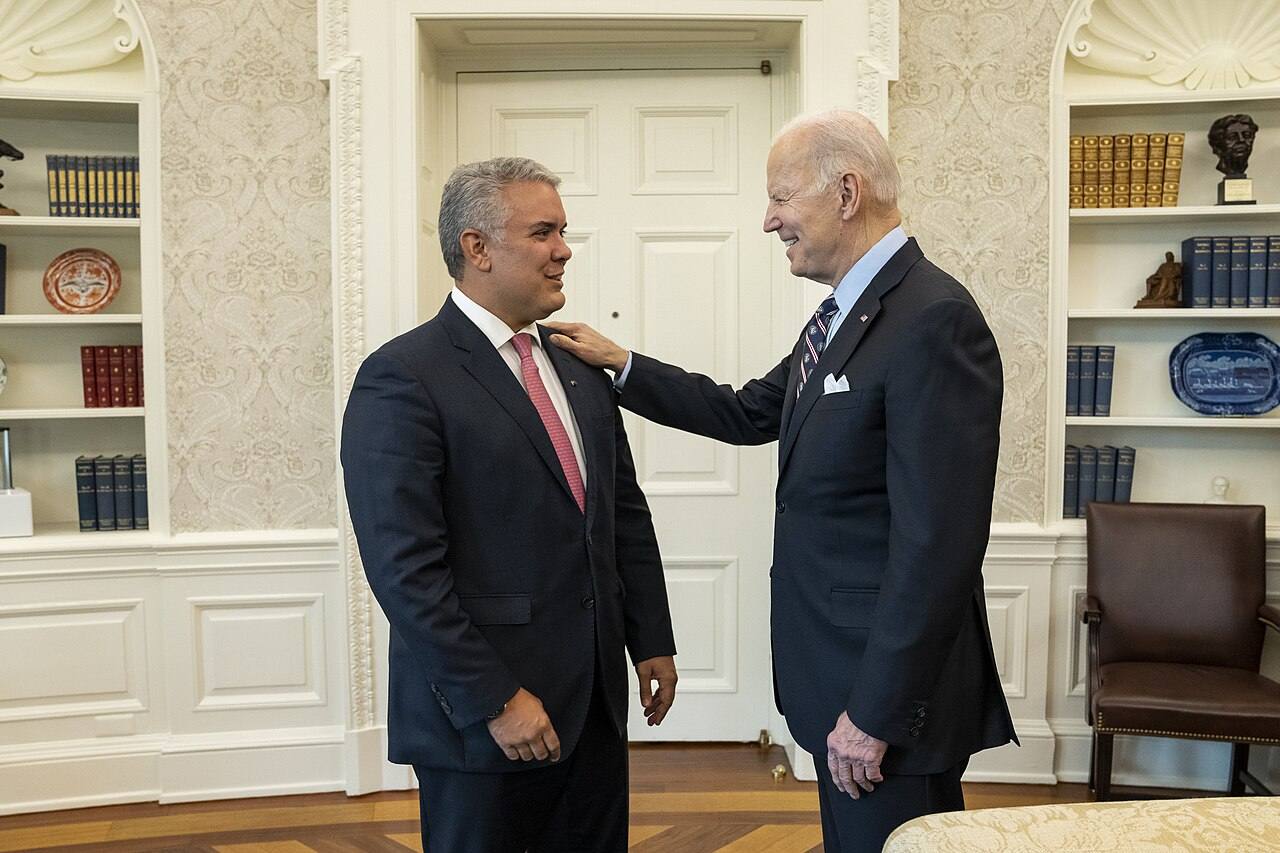
For instance, the current administration has focused on a dual approach of enforcement and reform. On the enforcement side, there have been increases in funding for border security technology, personnel, and infrastructure. Advocates argue that these measures are necessary to combat human trafficking and drug smuggling, while critics contend that they exacerbate the suffering of migrants who are often fleeing dire circumstances.
On the reform side, there are calls for pathways to citizenship and protections for asylum seekers. However, these proposals are frequently met with resistance from those who feel that they undermine the rule of law and encourage illegal immigration. At the crux of this debate is the need to find a balance between maintaining security and upholding humanitarian values.
The Role of Evidence in Shaping Policy
In the midst of these heated discussions, it is crucial to highlight the importance of evidence-based policy-making. Data regarding border crossings, crime rates, and employment impacts should inform the conversation rather than anecdotal evidence or emotional appeals. Unfortunately, both extremes often cherry-pick statistics to bolster their arguments. For example, proponents of strict border control may focus on crime rates linked to immigration, while advocates for more open policies may emphasize the economic contributions of immigrants.
To counteract this trend, policymakers must prioritize comprehensive studies that consider the broader implications of immigration. This includes examining the long-term effects on local economies, public services, and community cohesion. The failure to engage with a wide range of evidence leads to policies that are reactive rather than proactive and ultimately fail to address the root causes of migration.
Political Rhetoric and Its Consequences
The political rhetoric surrounding border policy has become increasingly polarizing. On one hand, some lawmakers use inflammatory language that paints immigrants as threats to national security or economic stability. This approach not only dehumanizes individuals seeking better lives but also fosters division and fear within communities.
Conversely, there are those who adopt an overly idealistic view of immigration, portraying it solely as a human rights issue without acknowledging the legitimate concerns of citizens regarding safety and resource allocation. This binary framing does a disservice to the complexity of the issue and fails to foster constructive dialogue.
Finding Common Ground
To move towards a functional border policy, it is essential to foster an environment where reasonable discourse can thrive. This means stepping away from extreme positions and finding common ground that respects both security and humanitarian needs. Collaborative efforts between local, state, and federal governments, alongside input from community organizations, can lead to more effective and compassionate immigration policies.
Ultimately, the goal should be to create a border policy that reflects the values of the nation while addressing the realities of modern migration. It is a challenging task, but one that must be undertaken with an open mind and a commitment to evidence over ideology.
✦ ✦ ✦