From the file. Written for the paper dated November 2025. Opened in the public stacks July 14, 2026.
In the evolving landscape of American politics, the pardon power has emerged as a focal point of intense debate, raising questions about accountability and justice in a highly polarized climate.
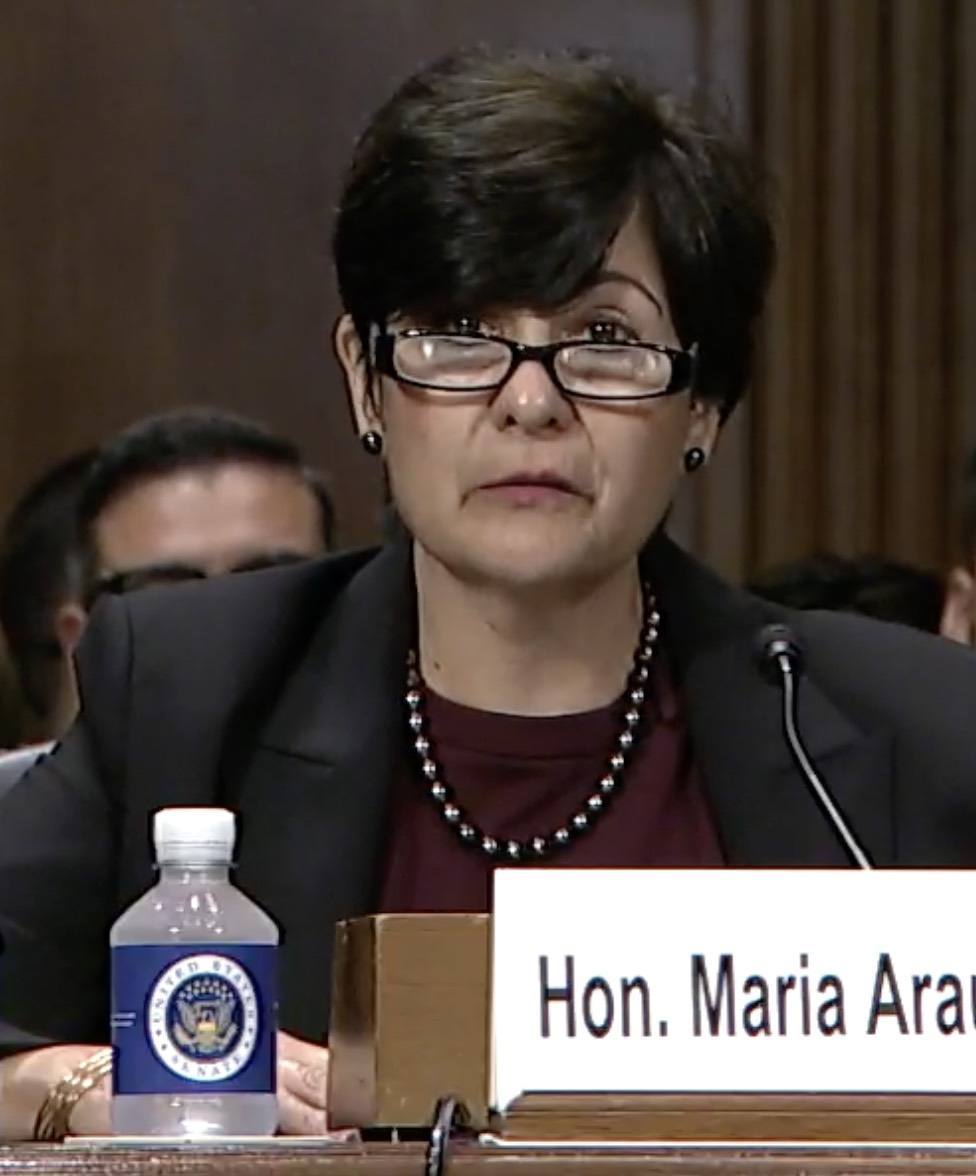
The Pardon Power: A Tool for Justice or a Political Weapon?
The past week has seen renewed scrutiny of the presidential pardon power, with a spotlight on its use - or misuse - by those in high office. As political leaders on both sides of the aisle weigh in, the public is left to navigate a complex narrative filled with conflicting claims and stark realities. The pardon, a constitutional provision designed to promote mercy and justice, has often been wielded as a political tool, raising concerns about its integrity and purpose.
On one side, supporters of the current administration argue that the pardons issued in recent months reflect a commitment to social justice, particularly in addressing past injustices within the criminal justice system. They point to specific cases where individuals, often from marginalized communities, have been granted clemency after serving lengthy sentences for non-violent crimes. “This is about rectifying wrongs,” a White House spokesperson recently declared, emphasizing the administration's intent to foster equity.
However, critics are quick to counter that the selection process for these pardons can appear arbitrary, often benefiting those with connections rather than those genuinely deserving of mercy. Some have labeled it a “political patronage system,” suggesting that the administration is more interested in public relations than actual reform. This sentiment is echoed by voices from within the legal community, who argue that the criteria for pardons should not be based on popularity or media attention but grounded in justice and fairness.
Polarization on the Pardon Issue
As the debate heats up, both sides of the political spectrum have taken extreme stances that often obscure the nuances of the issue. On the left, there is a tendency to champion every act of clemency without critical examination, suggesting that all pardons are inherently good and justified. This approach risks trivializing the serious discussions around the implications of each pardon and the broader context in which they are granted.
Conversely, the right has been quick to condemn the pardon power as a tool of corruption, citing individual cases where pardons have seemingly favored political allies or wealthy donors. This perspective often overlooks the historical context that has seen both Democratic and Republican presidents utilize this power in ways that align with their political goals. It paints a picture that is too simplistic and fails to engage with the complexities that surround each case.

“Pardon power should not be a political weapon, but a chance for redemption.”
Both extremes miss a crucial point: the pardon power serves a vital role in the American justice system. It offers an opportunity for rehabilitation and a second chance, but it must be exercised judiciously to maintain public trust. The current discourse often lacks a balanced perspective, leading to a situation where genuine discussions about justice reform are overshadowed by partisan bickering.
Public Perception vs. Reality
Public perception of the pardon power is shaped largely by headlines and soundbites rather than a thorough understanding of the legal and ethical considerations involved. In an era where outrage is a currency, sensational stories about high-profile pardons tend to dominate the narrative, obscuring the day-to-day realities of the criminal justice system.
For instance, while the administration celebrates its efforts to pardon individuals wrongfully convicted or excessively sentenced, critics highlight cases that raise eyebrows - such as those involving wealthy individuals who have committed white-collar crimes. This dichotomy fuels a narrative that the system is rigged, where justice is meted out based on influence rather than need.
As the nation grapples with these questions, it is essential for citizens to engage critically with the process. Encouraging transparency in how pardons are granted, along with more robust criteria for selection, could help bridge the divide between public perception and the reality of justice in America. The challenge lies in fostering a dialogue that transcends partisan divides, prioritizing the principles of fairness and equity over mere political gain.
✦ ✦ ✦