From the file. Written for the paper dated November 2025. Opened in the public stacks July 14, 2026.
As Congress debates the latest iteration of the Farm Bill, the clash between public claims and the actual record raises questions about the priorities of both sides of the aisle.

Promises vs. Performance
In recent weeks, the Farm Bill has been at the forefront of political discourse, with lawmakers touting their dedication to supporting farmers, ensuring food security, and promoting sustainable practices. However, a closer examination reveals a troubling gap between what legislators are saying and what they are delivering. As farmers grapple with climate change, rising costs, and market volatility, the stakes have never been higher.
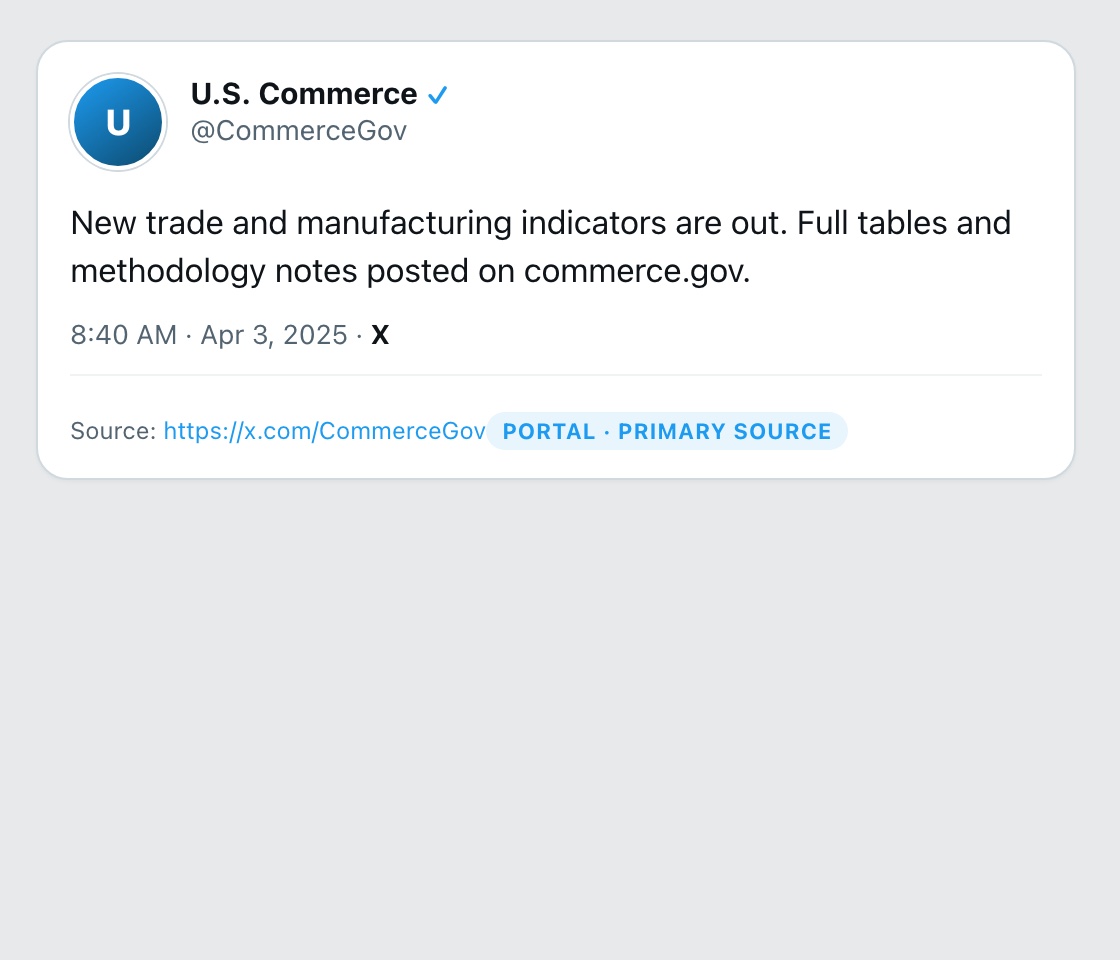
“We must prioritize our farmers and ensure they receive the support they need to thrive.”
This statement, echoed by various members of Congress from both parties, sounds noble but falls short when juxtaposed against funding allocations and policy decisions. The reality is that many farmers feel left behind as they face increasing challenges without the support they were promised.
The Left’s Commitment to Sustainability
The progressive faction within the Democratic Party has been vocal about the need for sustainable agricultural practices, advocating for policies that prioritize environmental health alongside food production. However, critics point out that the actual provisions in the Farm Bill do not adequately reflect this commitment. While there are initiatives aimed at promoting organic farming and conservation, the funding levels remain insufficient to make a significant impact.
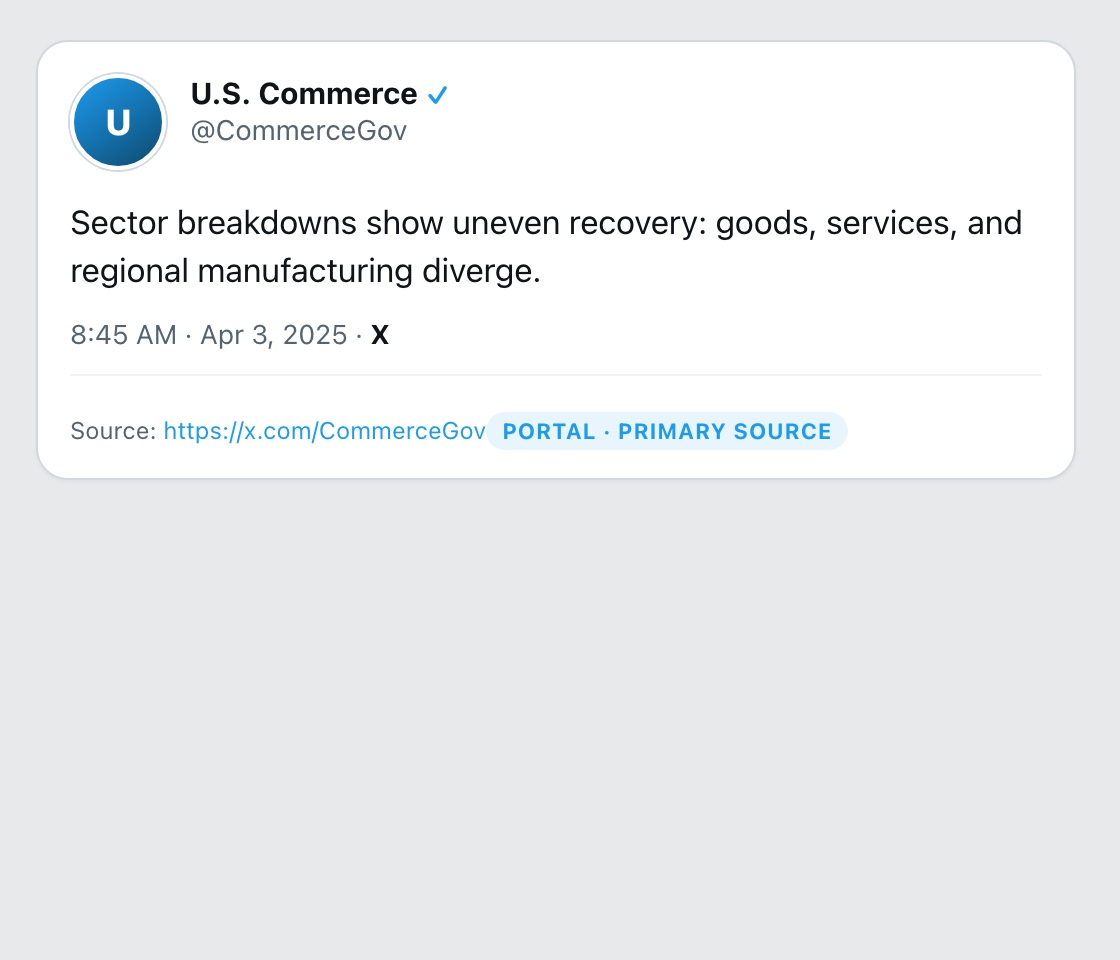
Moreover, the push for stricter regulations on pesticide use and livestock management has led to concerns among farmers about potential financial burdens. Many feel that the left’s approach, while well-intentioned, risks alienating the very constituents they claim to support. Farmers are caught in the crossfire of ambitious environmental goals and practical economic realities.
The Right’s Emphasis on Free Markets
On the other side of the aisle, Republicans have consistently championed free-market principles, arguing that less government intervention will lead to a more prosperous agricultural sector. However, this ideological stance has translated into a reluctance to support programs that provide safety nets for struggling farmers.
While the right decries government subsidies as unnecessary, many farmers rely on these very programs to survive fluctuating market conditions. The disconnect between rhetoric and reality is stark: as farm incomes decline, calls for increased safety nets are met with resistance. This refusal to adapt policy to meet the needs of farmers raises questions about the authenticity of the right’s commitment to agricultural interests.
Public Sentiment and Political Accountability
As the Farm Bill continues to be debated, public sentiment is shifting. Farmers and rural communities are becoming increasingly vocal about their dissatisfaction with the political establishment. They demand accountability from their representatives, urging them to prioritize the needs of agriculture over partisan agendas.
This growing discontent is not limited to one party; it transcends political boundaries. Farmers are frustrated that their concerns are often sidelined in favor of more sensational issues that dominate the national conversation. This lack of focus on agriculture could have dire consequences, especially as the country faces pressing challenges related to food security and climate change.
Looking Ahead: A Call for Bipartisanship
The current climate calls for a new approach to the Farm Bill - one that emphasizes collaboration over division. Both sides of the aisle must recognize that the future of agriculture is at stake. A bipartisan effort to craft a Farm Bill that genuinely addresses the concerns of farmers is essential for the well-being of rural communities and the nation as a whole.
As we move forward, it is imperative for lawmakers to put aside partisan politics and work together towards meaningful solutions. This means listening to the voices of farmers and incorporating their feedback into policy decisions. Only then can we hope to bridge the gap between public claims and the realities faced by those who feed our nation.
Conclusion
The Farm Bill serves as a barometer for broader agricultural and economic policies. As it stands, the chasm between promise and performance is wide, reflecting the excesses of both left and right. In an increasingly complex world, a collaborative approach that emphasizes the needs of farmers over political gain is not just preferred but essential. The time for action is now.
✦ ✦ ✦