From the file. Written for the paper dated August 2025. Opened in the public stacks July 14, 2026.
In the wake of the recent national security leak, questions abound about the information that has been disclosed - and what remains hidden from public view.
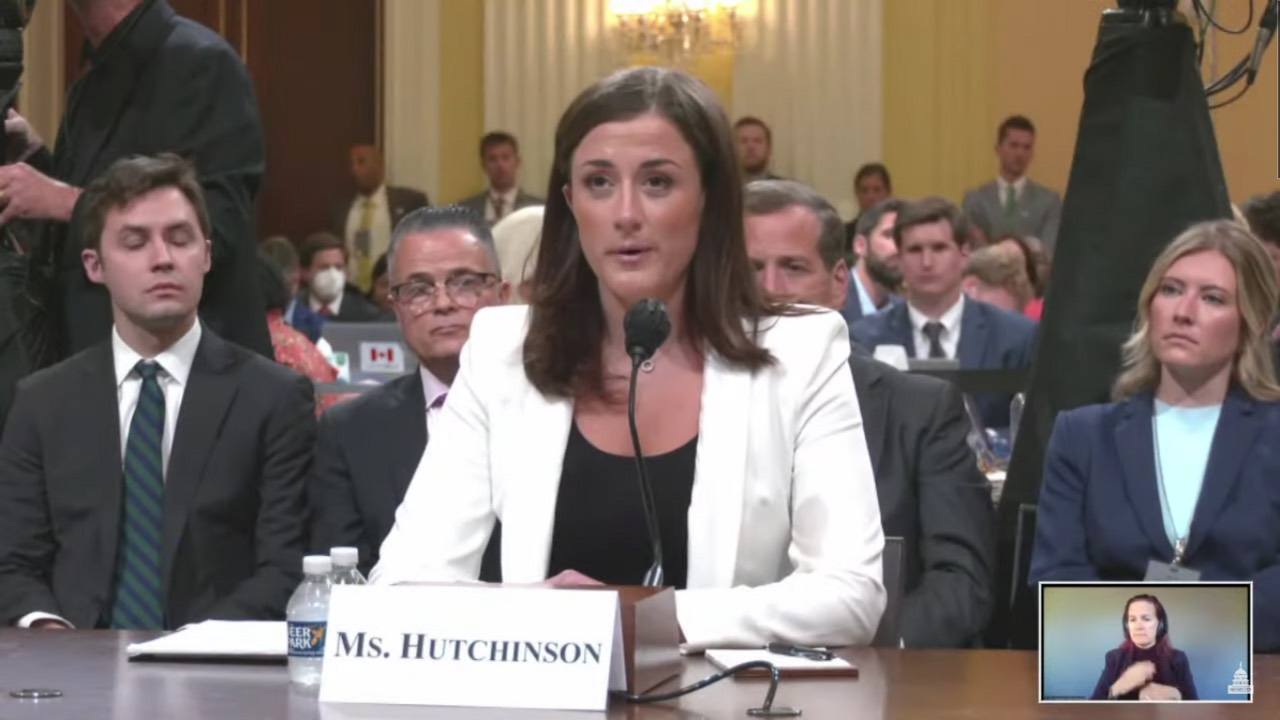
Understanding the Scope of the Leak
The recent leak of sensitive national security documents has stirred a significant debate across the political spectrum. This incident serves as a reminder of the delicate balance between transparency and security. While many are clamoring for accountability, we must also question the narratives being spun by both sides of the aisle. The left is quick to criticize the government for its lack of transparency, while the right often portrays the leak as a sign of betrayal from within. Yet, both narratives fail to fully address what is being left out of the briefings provided to the public.
What’s Missing in the Discussion
One of the most pressing omissions in the current discourse is the context surrounding the leaked information. Critics from the left argue that the leak serves as evidence of a government that operates in the shadows, hiding vital information from its citizens. However, they often overlook the complexities of national security that necessitate confidentiality. The right, on the other hand, tends to focus solely on the implications of the leak for national safety, branding dissenters as unpatriotic without acknowledging the merit of their concerns about government overreach.
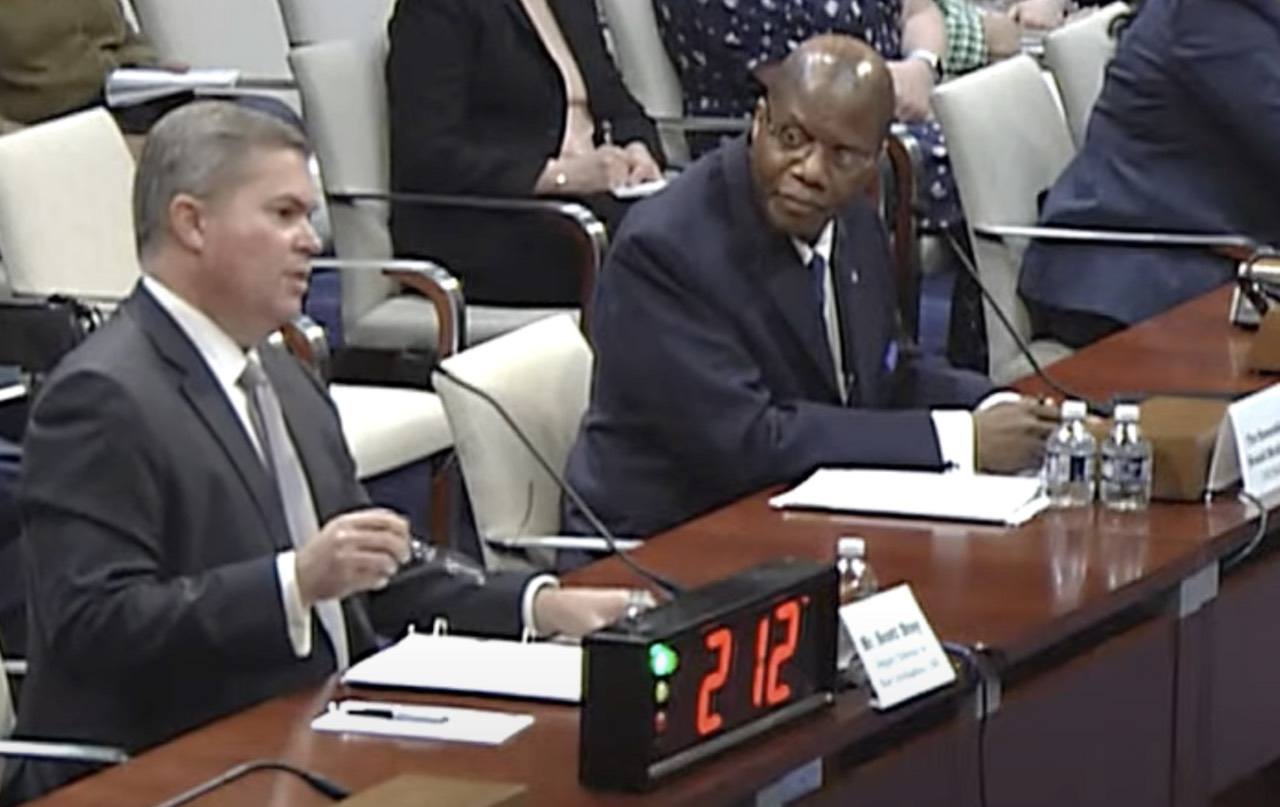
“The focus should not only be on the leak itself but on what the government chooses to tell us and what it chooses to withhold.”
The Dual Narrative
This dual narrative - of a government that is either too secretive or too lenient - simplifies a much more nuanced issue. The truth is that both perspectives come with their own set of excessive claims and oversimplifications. Left-leaning commentators often portray whistleblowers as heroes, while right-leaning voices may label them as traitors. Rarely do we see a balanced examination of the motivations behind both the leaks and the government’s responses.
Public Trust and Accountability
As the public grapples with the implications of the leaked documents, it is crucial to consider the erosion of trust in institutions that has been exacerbated by partisan narratives. When the government fails to communicate transparently, it opens the door for conspiracy theories and distrust to flourish. Conversely, when leaks occur, they can undermine the very foundations of national security, leading to a detrimental spiral of fear and suspicion.
Consequences of Oversimplification
The oversimplification of national security issues can have real-world consequences. When the narrative becomes too polarized, it risks alienating moderate voices who seek a balanced approach. This can lead to further division, making it increasingly difficult to address the core issues at play. A bipartisan solution is often required to rectify the imbalances in both accountability and security, yet the current climate makes meaningful dialogue nearly impossible.
Bridging the Divide
To move forward, we need to foster an environment where both sides can engage in constructive dialogue. It is essential to recognize that the pursuit of national security does not have to come at the expense of transparency and accountability. Similarly, the call for greater transparency should not be used as a weapon to undermine essential security measures. A middle ground must be sought, one that values both the safety of the nation and the rights of its citizens.
The Path Ahead
In an era where information is power, we must strive for a more informed citizenry that demands clarity from its leaders without resorting to hysteria or hyperbole. The leaked documents may have shed light on certain aspects of our national security, but they also highlight the need for a robust debate about what information is shared with the public and why. A more informed public can better navigate the complexities of national security without falling prey to the extremes of either side.
As we reflect on this moment, let us challenge ourselves to seek out balanced perspectives and not settle for the easy narratives that political factions often push. The stakes are high, and a collaborative effort to address these issues is essential for the future of our democracy.
✦ ✦ ✦