From the file. Written for the paper dated July 2025. Opened in the public stacks July 14, 2026.
This week in commerce, we take a closer look at the numbers behind the ongoing supply chain saga, revealing the complexities that continue to affect industries ranging from food to technology.
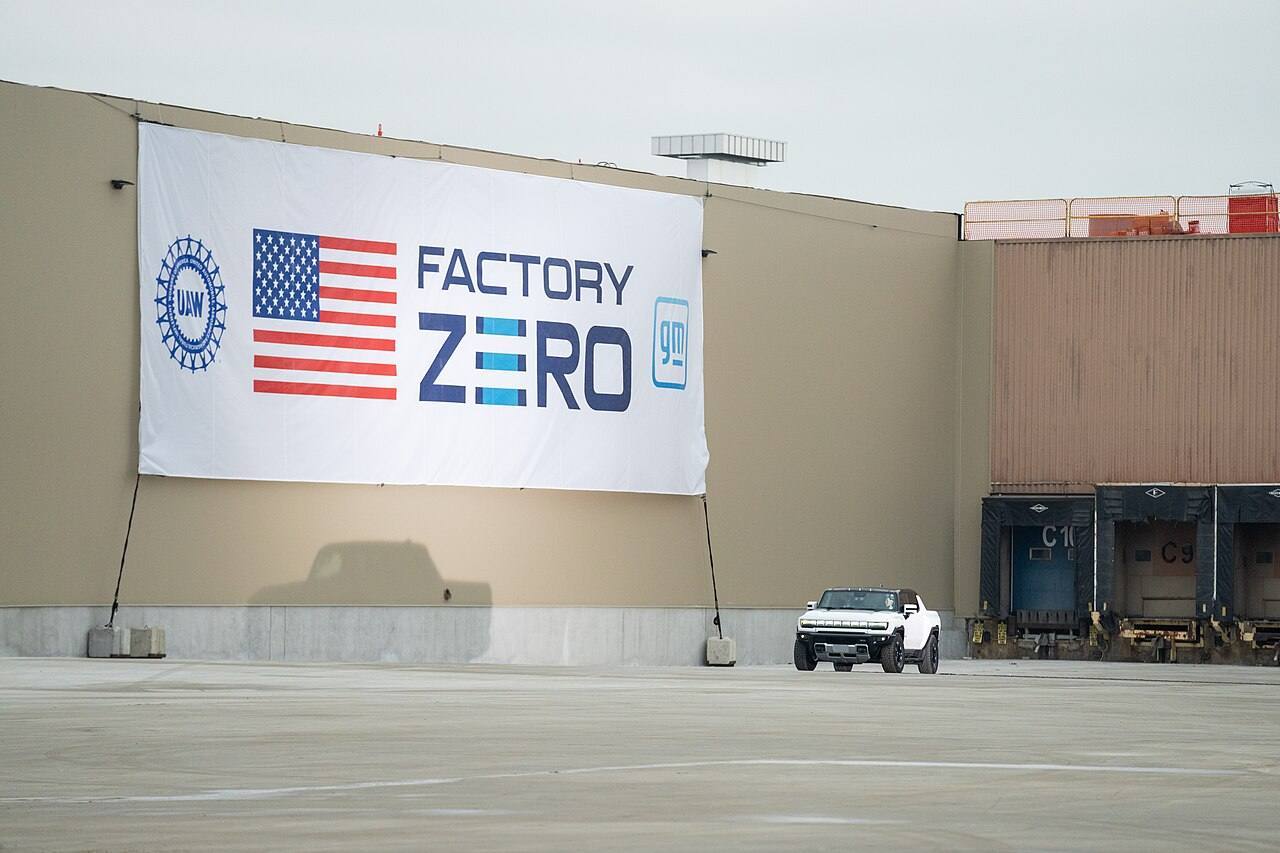
The Current State of Supply Chains
As we enter the second half of 2025, the state of global supply chains remains precarious, with lingering disruptions that stem from a mix of geopolitical tensions, environmental factors, and economic policies. The latest reports indicate that while some sectors have shown signs of recovery, others continue to struggle with delays and shortages. The persistence of these issues compels us to dissect the data and understand the bigger picture.
"The supply chain crisis is not merely a moment in time; it is a reflection of broader systemic issues." - Industry Analyst
Sector Specific Analysis
In the automotive sector, manufacturers are still grappling with semiconductor shortages that have plagued production lines for over two years. The latest figures show that car production is down by nearly 20% compared to pre-2020 levels. Analysts attribute this decline not just to the chip shortage but also to labor issues and fluctuating demand.

Conversely, the food industry has seen a rebound, with supply chains stabilizing thanks in part to domestic farming initiatives and improved logistics management. According to recent data, grocery prices have leveled off, and the supply of fresh produce has returned to pre-pandemic levels. However, inflation still looms large, causing consumers to feel the pinch at the checkout line.
The Political Landscape
The political rhetoric surrounding supply chain issues has become increasingly polarized. On one side, progressive politicians argue for more government intervention, advocating for policies that would strengthen local production and reduce reliance on foreign imports. Critics on the right, however, warn against overregulation, claiming that such measures could stifle innovation and lead to higher consumer prices.
This cacophony of voices has muddied the waters for businesses trying to navigate the supply chain landscape. Companies are caught in a tug-of-war between demands for accountability and the need to remain competitive in a global market. Many are left unsure of how to align their strategies with the conflicting policy proposals emerging from Washington.
Environmental Impact
Compounding these challenges is the growing emphasis on sustainability. As climate change concerns escalate, businesses are under pressure to adopt greener practices. However, the transition to sustainable supply chains is fraught with difficulty. For instance, while electric vehicles (EVs) represent the future, the materials required for their production - such as lithium and cobalt - are often sourced from regions with questionable labor practices and environmental standards.
"Sustainability and supply chain resilience must go hand in hand if we are to create a truly responsible industry." - Supply Chain Expert
This dichotomy highlights another layer of complexity within the supply chain debate. Advocates for environmental responsibility are often at odds with those warning of the economic repercussions of swift changes. This tension serves as a microcosm of the larger ideological divide that has come to define much of contemporary discourse in America.
Consumer Behavior and Adaptation
As supply chain disruptions continue to affect product availability, consumer behavior is shifting. Many shoppers have adapted to the new normal by embracing alternative products or brands, reflecting a growing trend toward resilience in purchasing habits. Reports indicate that consumers are increasingly favoring local products, giving rise to a renewed interest in small businesses and regional markets.
This shift could be a boon for local economies but poses challenges for larger retailers who are accustomed to operating on a national or global scale. The question remains: can these businesses pivot quickly enough to meet changing consumer preferences while grappling with their own supply chain hurdles?
Looking Ahead
As we examine the numbers and narratives surrounding supply chains, it is clear that the path forward is fraught with challenges. Both the left and right have their respective visions for addressing these issues, but the truth lies somewhere in between. A balanced approach that embraces innovation while prioritizing sustainability may be the key to navigating the persistent disruptions in our supply chains.
In conclusion, the supply chain landscape remains a complicated tapestry woven from various threads of economic, political, and social factors. As we move deeper into 2025, the need for thoughtful strategies and collaborative efforts has never been more critical. Only by addressing the excesses of both sides of the aisle can we hope to forge a better path forward.
✦ ✦ ✦