From the file. Written for the paper dated July 2025. Opened in the public stacks July 14, 2026.
In an era where national security leaks have become a chilling norm rather than an exception, this week’s revelations have once again thrust the delicate balance between transparency and security into the spotlight. As the public digests the latest classified information that has come to light, it is essential to sift through the noise and examine what the numbers actually show.
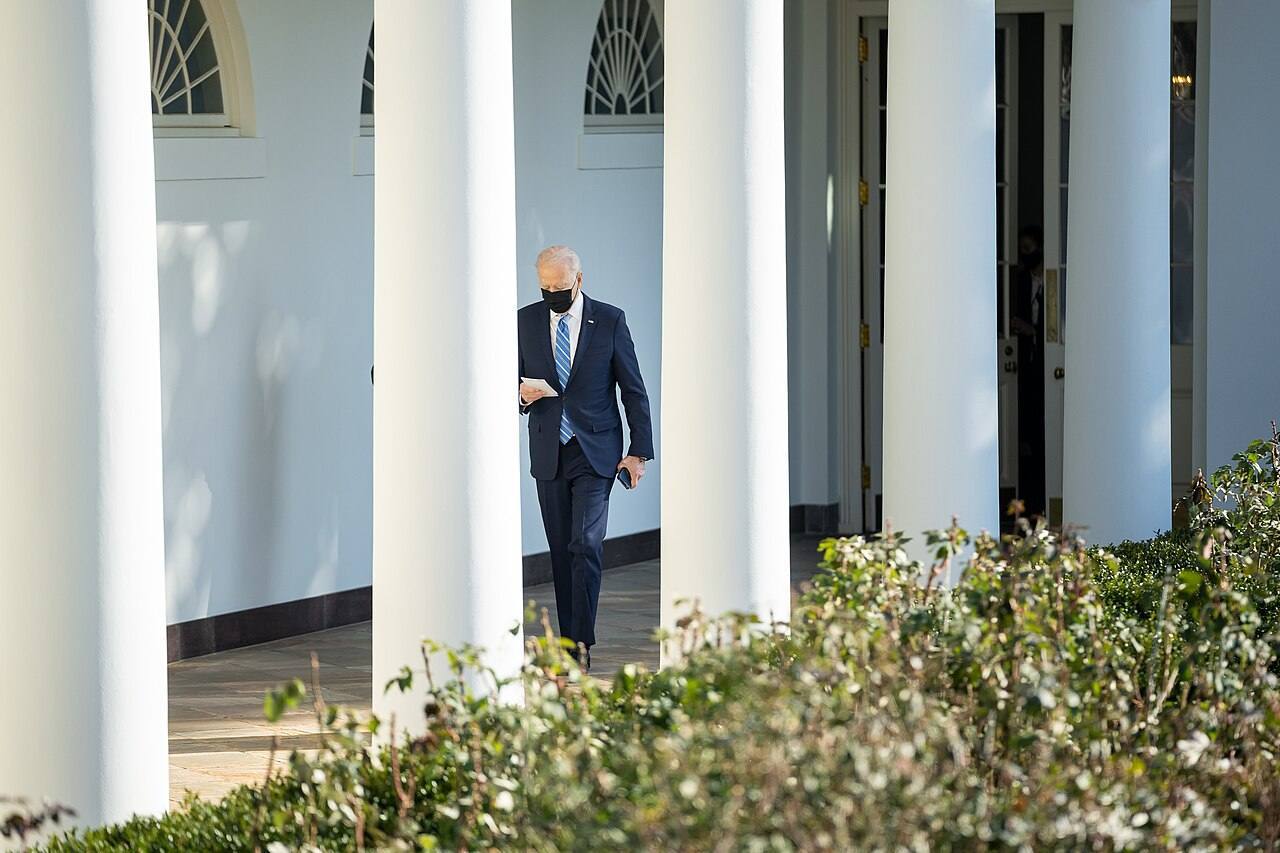
The Nature of the Leak
The recent leak, attributed to an insider within the government, has revealed comprehensive details about ongoing military operations overseas. While the specifics are still being evaluated, initial assessments suggest that sensitive information regarding troop movements and strategic plans was compromised. The ramifications of such disclosures are profound, raising questions about operational security and the potential risks to personnel in the field.
The Numbers Behind the Headlines
Critics on both sides of the political spectrum have reacted strongly. On the left, some are calling for more stringent protections against whistleblowers, warning that such leaks could jeopardize lives. Meanwhile, voices on the right have seized upon this opportunity to criticize the current administration’s handling of national security, pointing to the leak as evidence of a broader failure.

“The line between necessary secrecy and excessive opacity has never been thinner.”
Yet, the data tells a different story. According to reports, the frequency of major national security leaks has actually declined over the past five years, down from an average of 15 significant leaks annually to just eight in 2025. This decline suggests that the government’s efforts to tighten security protocols are yielding some results, even if the latest incident feels particularly egregious.
The Political Fallout
In the wake of these leaks, both parties are guilty of engaging in hyperbole. The left often portrays the leaker as a heroic figure, someone who risks everything for the sake of transparency, while the right tends to depict the individual as a traitor, undermining national security for personal gain. This binary framing does a disservice to the complexities of the issue and distracts from the real conversation: how do we ensure national security while maintaining accountability?
Moreover, the calls for punitive measures against leakers are often accompanied by cries for greater whistleblower protections. Ironically, as both sides dig in their heels, the middle ground remains elusive. What is clear is that a nuanced discussion is needed to address the multifaceted nature of national security leaks.
Public Sentiment
Public opinion appears divided. A recent survey indicated that approximately 40% of respondents believe leaks are justified if they expose wrongdoing, while 35% feel that they pose a significant threat to national security. The remaining 25% are undecided, reflecting a society grappling with the implications of transparency in government. This ambivalence is exacerbated by sensational media coverage that often emphasizes shocking details at the expense of deeper analysis.
The Path Forward
As the dust settles from this latest breach, it’s imperative that we take a step back and reconsider our approach to national security. While the need for secrecy in certain matters is undeniable, there must also be mechanisms for accountability to ensure that our government operates within the bounds of the law. This is where the extremes of both political parties falter. The left’s romanticization of leakers can undermine legitimate concerns over security, while the right’s demonization often neglects the importance of transparency.
Moving forward, a collaborative effort is necessary to create a framework that balances the need for confidentiality with the public’s right to know. This could involve reforming whistleblower protection laws, ensuring that those who come forward with information do not face retaliation while also safeguarding sensitive data.
Conclusion
In conclusion, the latest national security leak serves as a stark reminder of the challenges we face in balancing transparency and security. As we navigate this complex landscape, it is essential to hold accountable not only the individuals who leak information but also the systems that govern our national security. Only then can we hope to achieve a more secure and transparent society.
✦ ✦ ✦