From the file. Written for the paper dated July 2025. Opened in the public stacks July 14, 2026.
As the airline industry navigates the turbulent skies of deregulation, recent figures reveal a complex picture of growth, competition, and consumer satisfaction.

Understanding the Landscape of Airline Deregulation
In the last few weeks, airline deregulation has once again taken center stage in public discourse, with advocates and critics clashing over its impact on the industry and consumers. On one hand, proponents of deregulation argue it has fostered competition, leading to lower fares and increased options for travelers. On the other, critics assert that the drive for profits has compromised safety and service quality.
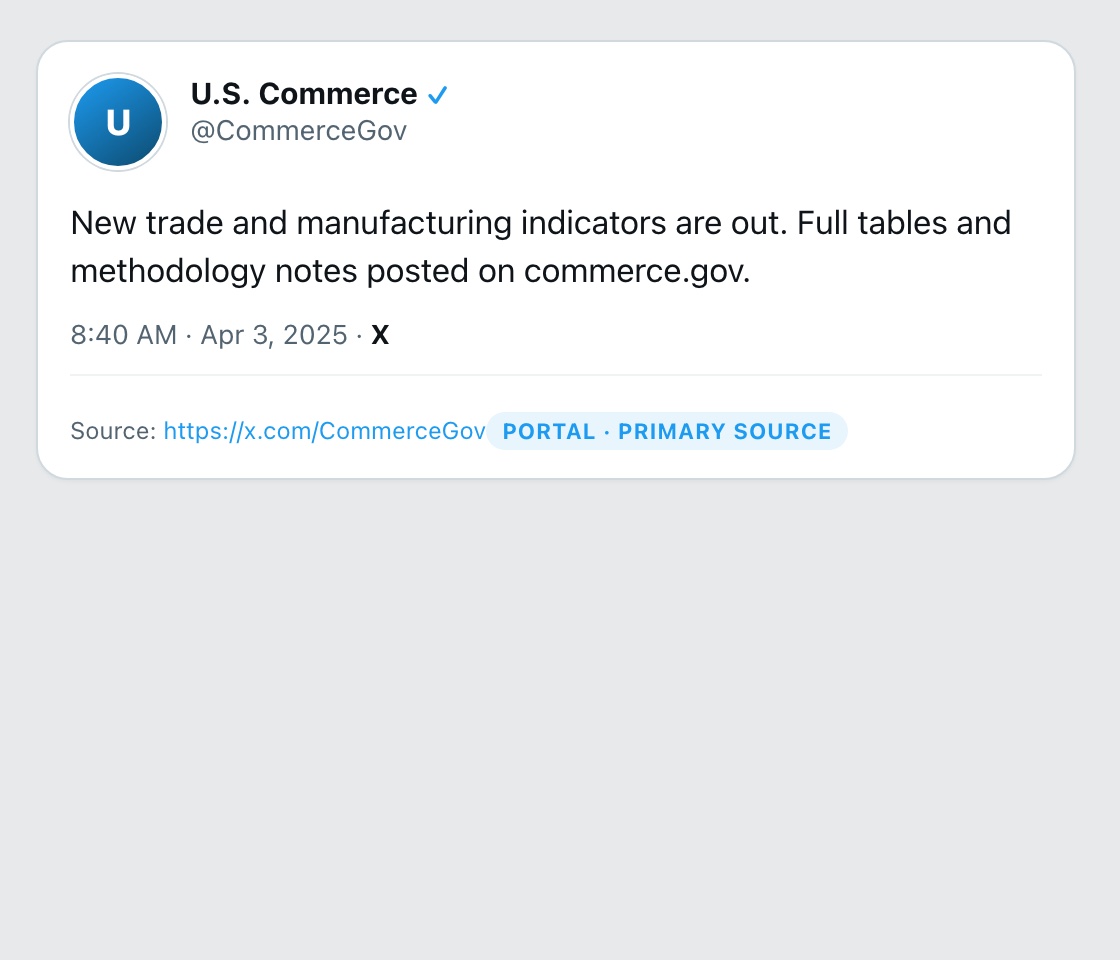
Recent reports from the Commerce Department indicate that while overall air travel has increased by 10% in the past year, the average fare has only dropped by a marginal 2%. This disparity raises questions about whether deregulation is truly benefiting consumers or merely creating a façade of competition.

The Consumer Experience
Despite the increase in air travel, consumer complaints have surged by 15% over the past year, with passengers citing issues ranging from delayed flights to inadequate customer service. This uptick in dissatisfaction prompts important questions about the trade-offs that accompany deregulation. Are lower fares worth the inconvenience and potential safety concerns that arise from reduced service quality?
"It feels like airlines care more about profit margins than passenger experience." - Frequent flyer
Indeed, many frequent travelers report feeling caught in a race to the bottom, where cost-cutting measures compromise the quality of their journey. The recent trend of airlines downsizing cabin crew to save costs, while simultaneously increasing the number of passengers per flight, raises alarms about safety and customer care. As complaints continue to pour in, it becomes evident that not all consumers are benefiting equally from the alleged advantages of deregulation.
The Financial Picture
From a financial standpoint, the airline industry is enjoying a period of significant profitability, with major carriers reporting record revenues. However, this success is not without its drawbacks. Recent analyses show that while airlines are raking in profits, they are simultaneously experiencing an 8% increase in flight cancellations. The disconnect between profitability and operational reliability suggests that airlines may be prioritizing financial gains over maintaining a consistent travel experience.
This situation contributes to a larger narrative about corporate accountability. The relentless pursuit of profit, often lauded by right-leaning pundits as a hallmark of a thriving economy, raises questions about the implications for consumer welfare. Is the free market truly working when the quality of service diminishes as revenues rise?
Political Responses to Deregulation
The debate over airline deregulation has drawn responses from both sides of the political aisle. On the left, calls for increased regulation have gained momentum, with some lawmakers advocating for measures to ensure that airlines prioritize safety and customer satisfaction alongside profits. This push reflects a growing concern that the current state of deregulation has led to a diminished flight experience for the average consumer.
Conversely, conservative voices advocate for the continuation of deregulation, arguing that government intervention would stifle competition and innovation. They point to the lower fares that have emerged as a result of deregulation, claiming that any regulatory measures would inevitably lead to higher costs for consumers.
"Government intervention will only lead to higher prices and less choice for travelers." - Conservative commentator
This ideological divide highlights the challenges of finding a balanced approach to airline regulation. The left's calls for oversight often come across as reactionary, lacking a nuanced understanding of market dynamics. Meanwhile, the right's unwavering support for deregulation can appear dismissive of the legitimate concerns raised by consumers.
Finding Common Ground
As the debate continues, finding common ground may be essential to addressing the complexities of airline deregulation. A potential middle path could involve implementing measures that promote accountability without stifling competition. This would help ensure that consumers are not left to navigate a system that prioritizes profits over their well-being.
Ultimately, the airline industry stands at a crossroads, with the future of deregulation hanging in the balance. With consumer satisfaction waning and operational reliability in question, it may be time for both sides of the political spectrum to engage in a constructive dialogue about the best path forward.
✦ ✦ ✦