From the file. Written for the paper dated June 2025. Opened in the public stacks July 14, 2026.
As the nation grapples with political polarization and social upheaval, a recent public trust survey sheds light on the growing hunger for certainty amid confusion.
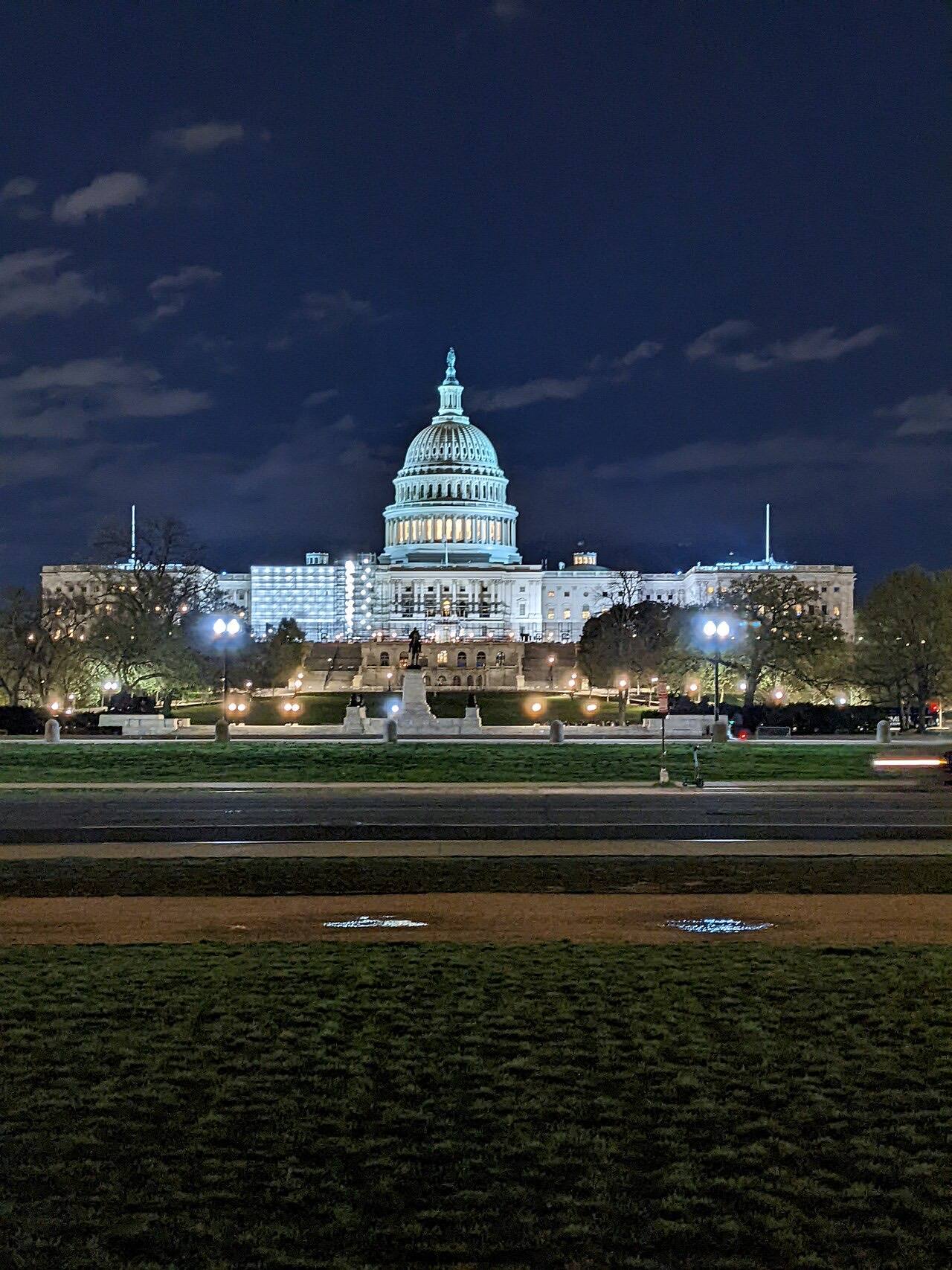
The Survey: A Snapshot of Distrust
In a climate marked by divisive rhetoric and alarming headlines, the latest public trust survey reveals a startling trend: a significant portion of Americans express skepticism toward various institutions, from the government to the media. The survey, conducted by an independent research group, found that nearly 70% of respondents stated they do not trust the information coming from mainstream media outlets. This mistrust extends beyond the headlines, reflecting broader concerns about transparency and accountability.
The Certainty Economy
In an era where ambiguity reigns, the demand for certainty is surging. The survey results suggest a societal shift towards organizations and individuals that provide clear, unambiguous narratives. This trend is evident in the rise of populist figures on both the left and the right, who capitalize on the public's yearning for decisiveness.
"Certainty is selling briskly in today's marketplace of ideas."
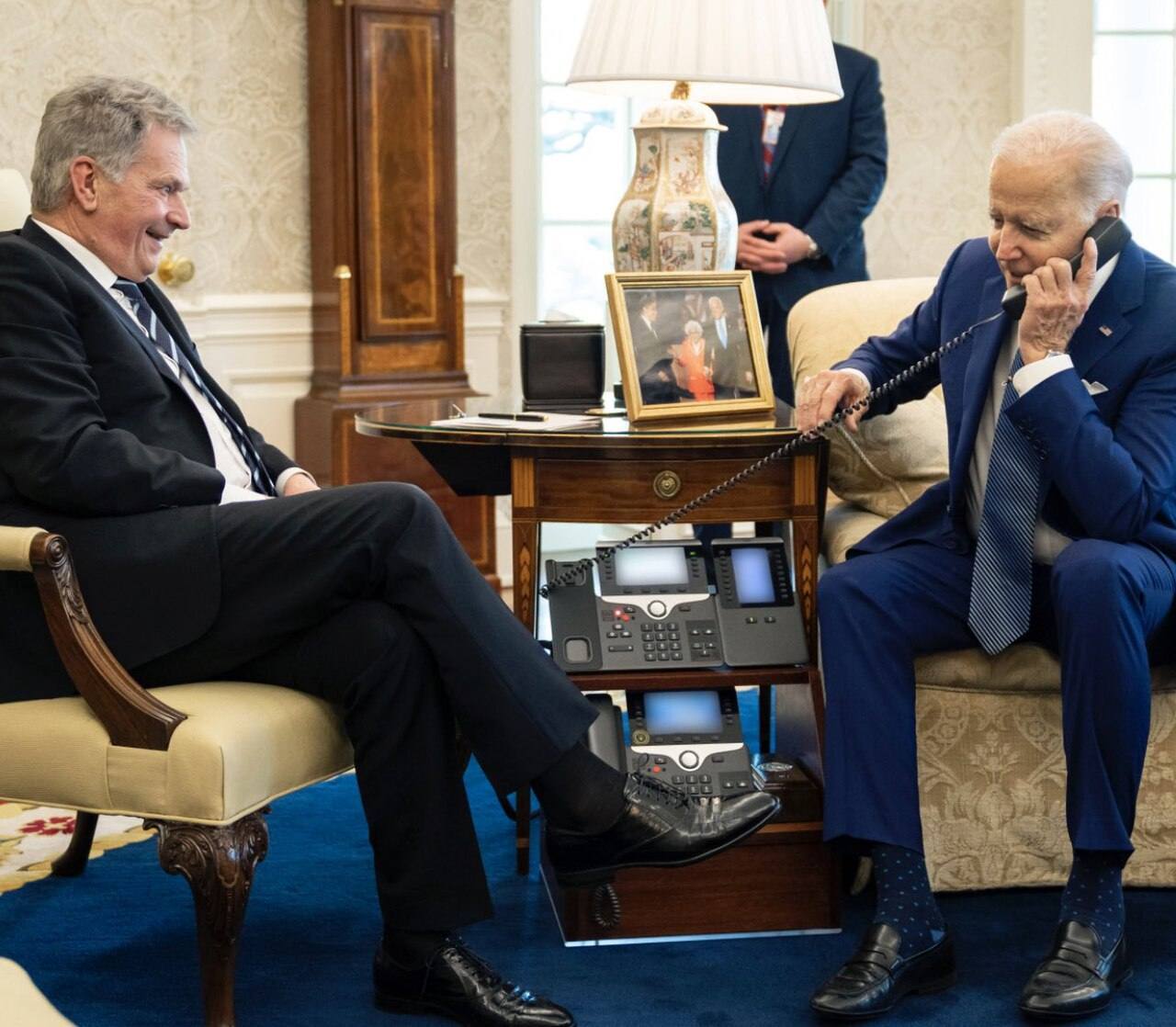
On the left, some progressive leaders have adopted a more strident tone, promising sweeping reforms and galvanizing their base with stark, often oversimplified, messages about the need for systemic change. Meanwhile, on the right, a wave of conservative populism emphasizes traditional values and a rejection of the status quo, with leaders framing their platforms in black-and-white terms that resonate with those feeling disenfranchised.
Populism in the Age of Uncertainty
This dynamic illustrates a troubling reality: both sides are exploiting the public’s desperate craving for certainty. The left’s calls for radical change often come with a promise that such change will fix all societal ills - a promise that can lead to disillusionment when reality fails to match expectations. Similarly, the right's emphasis on a return to "common sense" solutions can gloss over the complexities of modern governance, creating an illusion of simplicity where none exists.
As we witness these trends, it is crucial to recognize that both extremes can be equally detrimental. The left's idealistic pursuits may ignore practical considerations, while the right's populism risks fostering division rather than unity. The result is a political landscape that is increasingly polarized, where nuance is sacrificed on the altar of certainty.
The Role of Misinformation
Compounding the issue is the prevalence of misinformation, which feeds into the cycle of distrust. In a world where facts are often contested, and narratives are easily manipulated, the public's ability to discern truth from falsehood is severely compromised. This environment not only fuels polarization but also creates fertile ground for conspiratorial thinking, leading some to reject mainstream information sources altogether.
Finding a Middle Ground
In the face of such challenges, it is essential to cultivate a political discourse that values complexity and encourages critical thinking. Citizens must be equipped to engage with the multifaceted issues facing our society, rather than retreating into echo chambers that reinforce existing beliefs. Media literacy initiatives, community dialogues, and bipartisan efforts can help bridge the divide, fostering a culture of understanding rather than division.
Moreover, it is vital for leaders across the political spectrum to resist the temptation to oversimplify complex problems. Instead of providing easy answers, they should strive to present realistic solutions that acknowledge the intricacies of governance and social dynamics. By fostering an environment that encourages open discussion and respectful debate, we can begin to rebuild the trust that has been eroded.
The Path Forward
As we navigate the landscape of public trust, it is clear that both sides must confront their excesses. The left should temper its ambitious agendas with practical considerations, while the right must move beyond rhetoric that deepens divisions. Only then can we create a political climate that truly serves the interests of all citizens.
The public's desire for certainty is understandable, but it is imperative that we do not sacrifice nuance in the process. By embracing complexity and fostering a culture of critical engagement, we can begin to restore trust in our institutions and each other.
✦ ✦ ✦