From the file. Written for the paper dated June 2025. Opened in the public stacks July 14, 2026.
In an era where uncertainty looms large, a curious trend is emerging: the prioritization of process over performance. As we dissect the political landscape of 2025, it becomes clear that this shift is not merely a preference but a necessity for many.

The Comfort of Certainty
As we grapple with the complex challenges of our time, the desire for certainty has never been more pronounced. From the halls of Congress to our local communities, people are clamoring for clear-cut answers and definitive pathways. This need for reassurance has led to a growing fixation on process - the how - rather than the outcomes - the what. It’s a phenomenon that both sides of the political aisle are exploiting to their advantage.
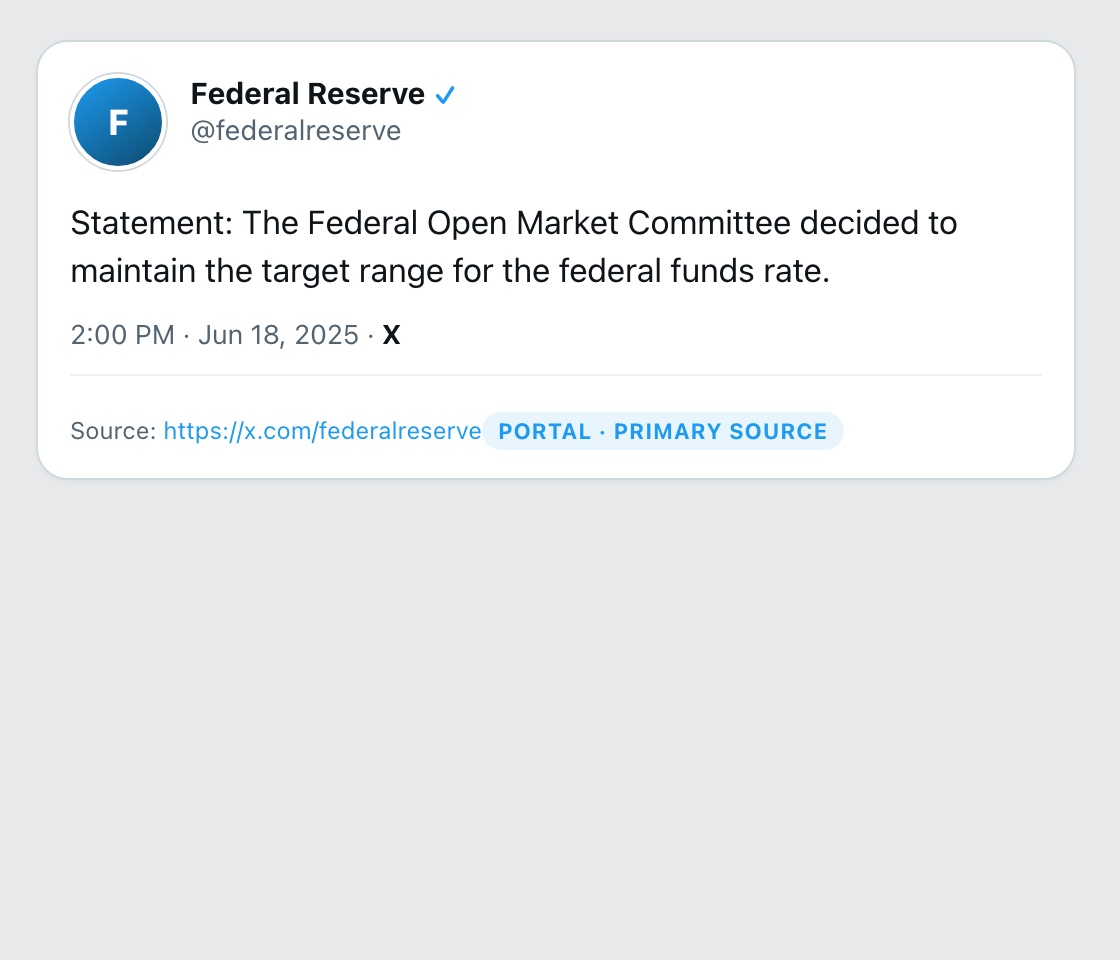
“In a world rife with unpredictability, the allure of a structured process offers a balm to the anxious mind.”
On the left, we see a fervent push for comprehensive frameworks that promise equity and sustainability. Advocates argue that a rigorous process will lead us toward a more just society, even if the immediate outcomes remain elusive. In this view, performance metrics are secondary to the integrity of the process. Yet, such an approach risks stagnation, as the constant focus on procedural fairness can paralyze decision-making and delay necessary action.

Conversely, the right champions a return to traditional values and processes, often wrapped in the rhetoric of efficiency and deregulation. They argue that a streamlined process will unleash economic potential and restore order. However, this fixation can lead to reckless shortcuts that prioritize speed over substance. In their haste to simplify, they may overlook the nuanced realities that demand careful consideration.
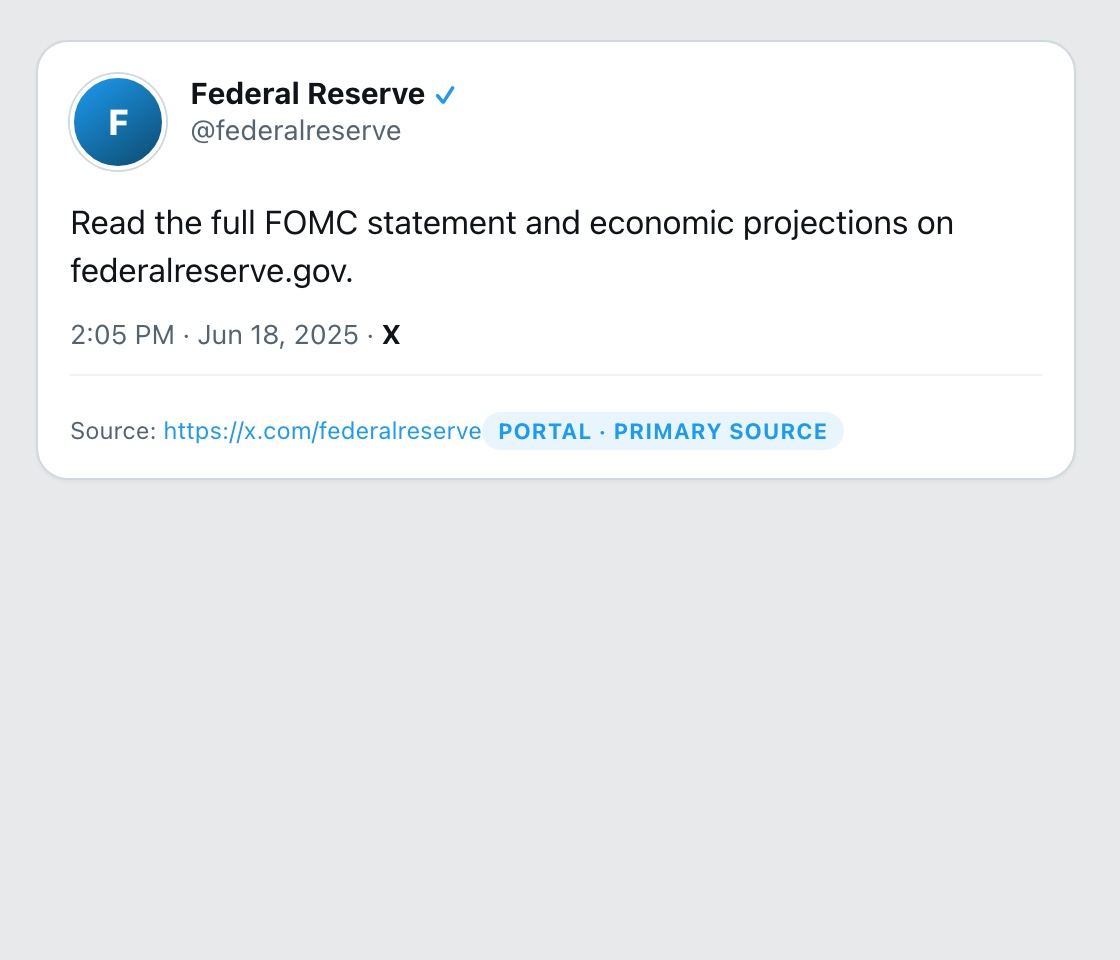
Performance Matters, Too
The truth is, both extremes exhibit a troubling tendency to ignore performance. The left's insistence on process can lead to a culture of inertia, where the quest for the perfect method stifles innovation and responsiveness. Meanwhile, the right's push for rapid solutions often disregards the long-term implications of their actions, potentially dismantling vital structures in the name of speed.
We must ask ourselves: what happens when process becomes an end in itself? The answer is that we risk losing sight of our goals. While the integrity of the process is undeniably important, it should complement, not replace, the pursuit of tangible outcomes. A balance must be struck; otherwise, we may find ourselves trapped in a cycle of endless deliberation or reckless action.
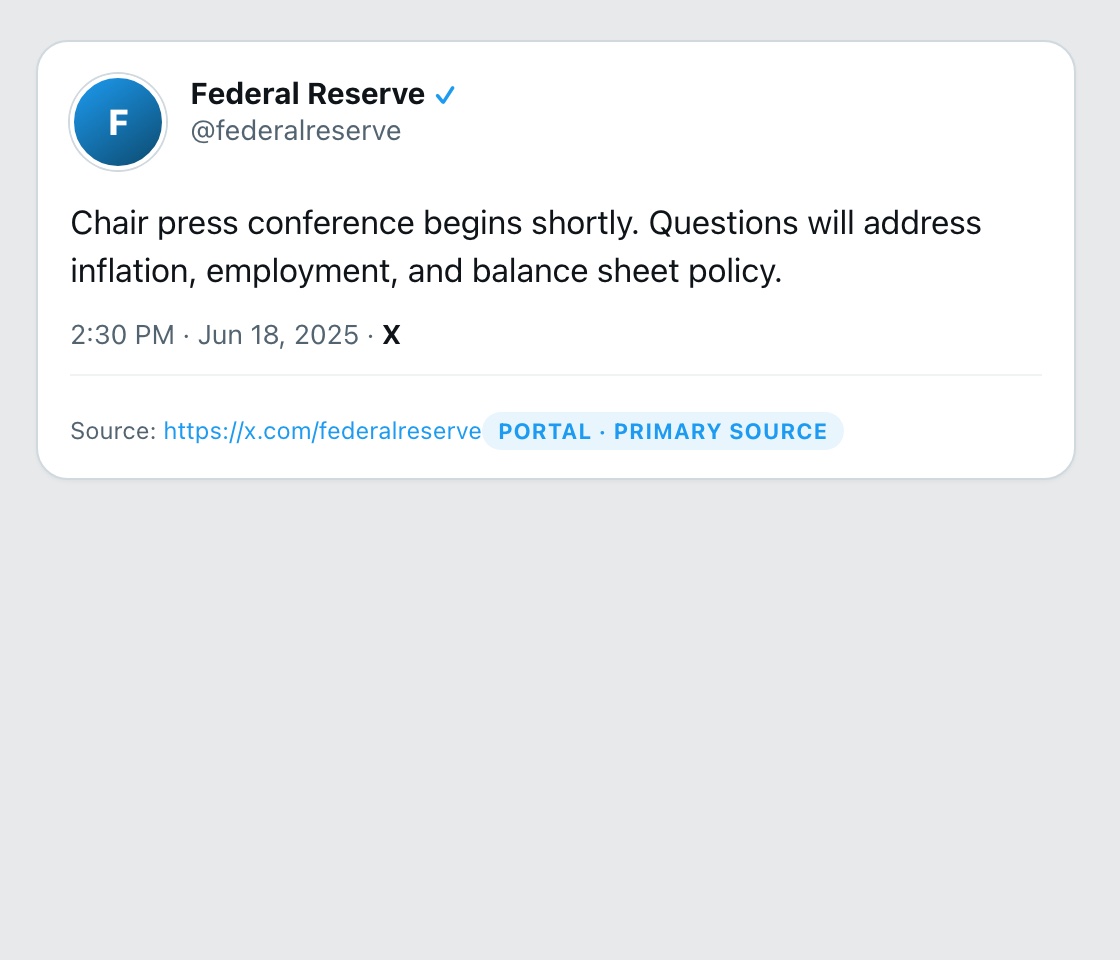
A Call for Balance
It is imperative for leaders to navigate this complex terrain with discernment. They must recognize that while certainty may be comforting, it cannot replace a commitment to performance. The most effective policies will be those that embrace process while remaining focused on outcomes. A clear vision coupled with a robust framework can guide us through the tumultuous waters we face, ensuring that we remain responsive to the needs of our citizens.
Moreover, citizens must hold their leaders accountable. The demand for transparency and accountability in both process and performance is essential. We cannot allow ourselves to be seduced by the allure of certainty without questioning its validity. Engaging in meaningful discourse about the effectiveness of policies and their implementation will ultimately lead to a more informed electorate.
Moving Forward
In conclusion, as we continue to navigate the complexities of governance and societal needs, the emphasis on process must not overshadow the necessity for performance. Certainty may sell briskly in these uncertain times, but it should not come at the expense of actionable results. By demanding a dual focus on process and performance, we can foster a more resilient and effective political climate.
✦ ✦ ✦