From the file. Written for the paper dated June 2025. Opened in the public stacks July 14, 2026.
In a climate marked by uncertainty, consumer confidence has surprisingly surged, revealing intriguing truths about the current marketplace.
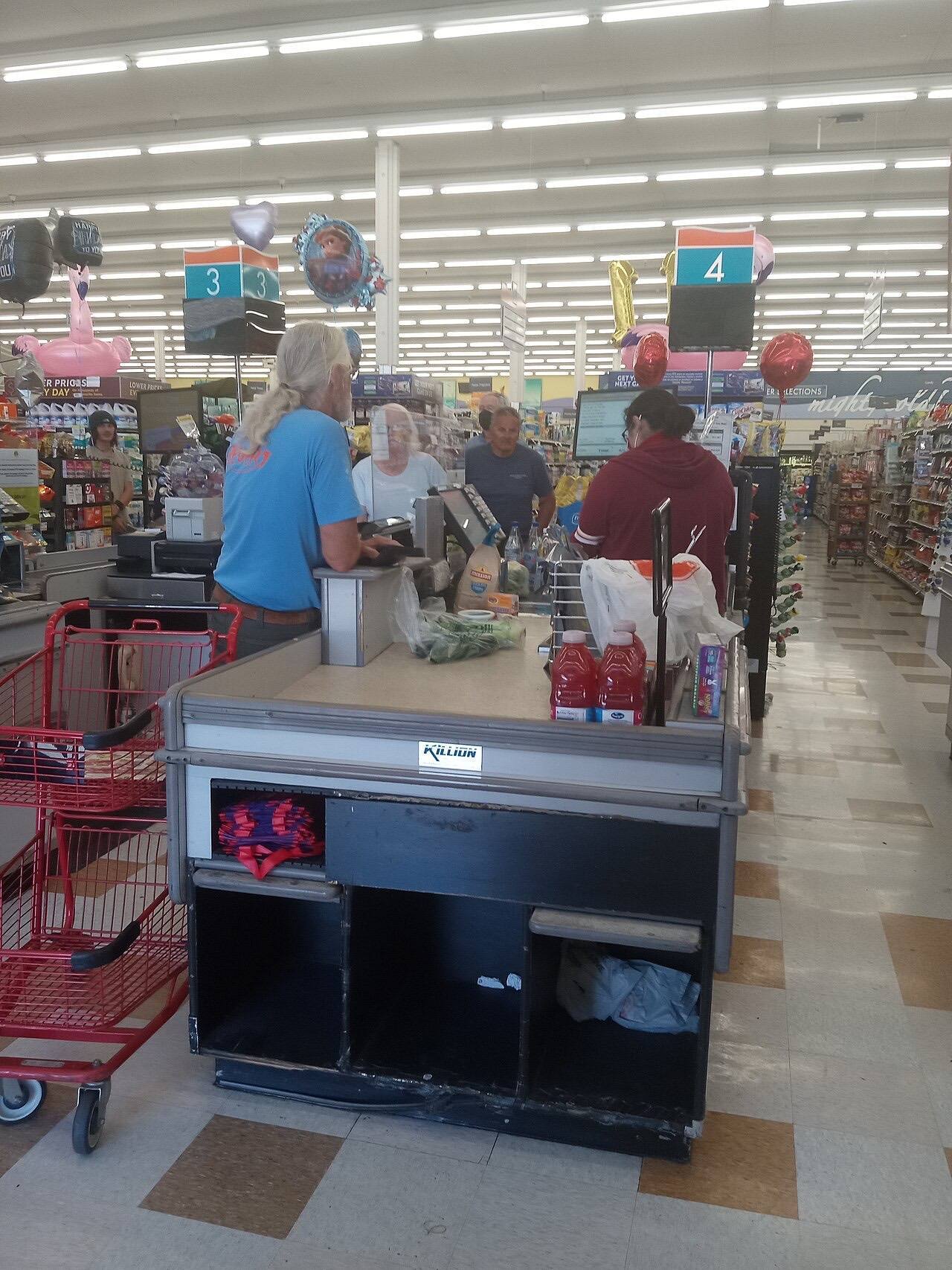
The Current Climate of Consumer Confidence
As the summer of 2025 unfolds, a notable uptick in consumer confidence has emerged, challenging the prevailing narratives of economic malaise. Recent reports suggest that Americans are not only optimistic about their financial futures but are also willing to spend, indicating a significant shift in sentiment. This newfound confidence is being driven by a variety of factors, including stable employment rates, manageable inflation, and a general sense of resilience amid global challenges.
However, this optimism comes with caveats. It is essential to dissect the layers of this confidence and understand the societal implications it harbors. While the left often emphasizes collective responsibility and the need for government intervention to foster economic growth, the right tends to champion free-market principles and minimal regulation as the path to prosperity. Both perspectives, while rooted in valid intentions, often lead to rhetorical excess that complicates the public's understanding of economic realities.

Factors Influencing Consumer Confidence
Several key elements contribute to the current boost in consumer confidence. First and foremost is the labor market. Currently, unemployment rates hover around historical lows, with many sectors experiencing labor shortages that drive up wages. This creates a robust environment where consumers feel secure enough to make purchases, from homes to luxury items. Moreover, job security fosters a sense of stability, allowing families to budget and plan for the future.
Inflation, which has plagued the economy in recent years, appears to be stabilizing. Data shows that inflation rates have calmed, alleviating fears of rampant price increases. This stabilization is crucial because it helps consumers believe that their purchasing power will remain intact. When individuals feel that their money is safe and that prices will not rise uncontrollably, they are more likely to spend rather than save out of fear.
“Certainty is the new luxury. In a chaotic world, consumers crave stability.”
The Role of Retailers and Marketing
Retailers, too, have adapted to the changing landscape, employing strategies that cater to consumers' desire for certainty. Promotions and marketing campaigns that emphasize reliability and value resonate more strongly than ever. Businesses are responding to consumer confidence by enhancing their offerings and creating a sense of trustworthiness. This shift is evident in the growing popularity of brands that prioritize transparency regarding sourcing and labor practices.

However, this also leads to a paradox where excessive marketing can give rise to consumer skepticism. When brands over-promise or engage in virtue signaling without delivering genuine value, they risk alienating their customer base. The challenge for businesses is to strike a balance between promoting their products and maintaining authenticity. In this respect, both left and right narratives can create pitfalls. The left's calls for ethical consumption can, at times, lead to performative activism, while the right’s emphasis on consumer choice can sometimes overlook the importance of corporate accountability.
Political Influence on Consumer Behavior
The political landscape also plays a significant role in shaping consumer confidence. As the nation gears up for another election cycle, the rhetoric from both sides intensifies. The left often frames economic issues through the lens of inequality and social justice, while the right appeals to individualism and entrepreneurship. This dichotomy can confuse consumers, who may feel torn between wanting to support ethical practices and the allure of lower prices from less scrupulous companies.
Yet, amidst this political strife, a unifying factor emerges: the desire for stability and predictability. Consumers are increasingly looking for assurances from both politicians and businesses that their economic interests will be safeguarded. This is where the excesses of both sides can create friction. The left's focus on regulation can stifle innovation, while the right's free-market zeal can lead to neglect of social responsibilities. A collaborative approach that recognizes the value of both perspectives may pave the way for a more balanced economic future.
Looking Ahead: The Future of Consumer Confidence
As we navigate through 2025, the trajectory of consumer confidence remains tied to broader economic indicators and political developments. While the current climate appears robust, underlying tensions persist. The potential for economic disruption - be it through international conflicts, climate change, or political instability - looms large. Consumers are acutely aware of these risks, and their spending behavior may shift as external conditions evolve.
In conclusion, while consumer confidence is thriving in the current moment, it is crucial for businesses and policymakers to remain vigilant. Striking the right balance between promoting economic growth and ensuring ethical practices will be key to sustaining this confidence. Only by acknowledging the complexities of the marketplace can we ensure that optimism translates into lasting economic stability.
✦ ✦ ✦