From the file. Written for the paper dated May 2025. Opened in the public stacks July 14, 2026.
As public trust wanes, a recent survey reveals a troubling trend: bipartisan selective memory appears to be undermining faith in institutions across the political spectrum.
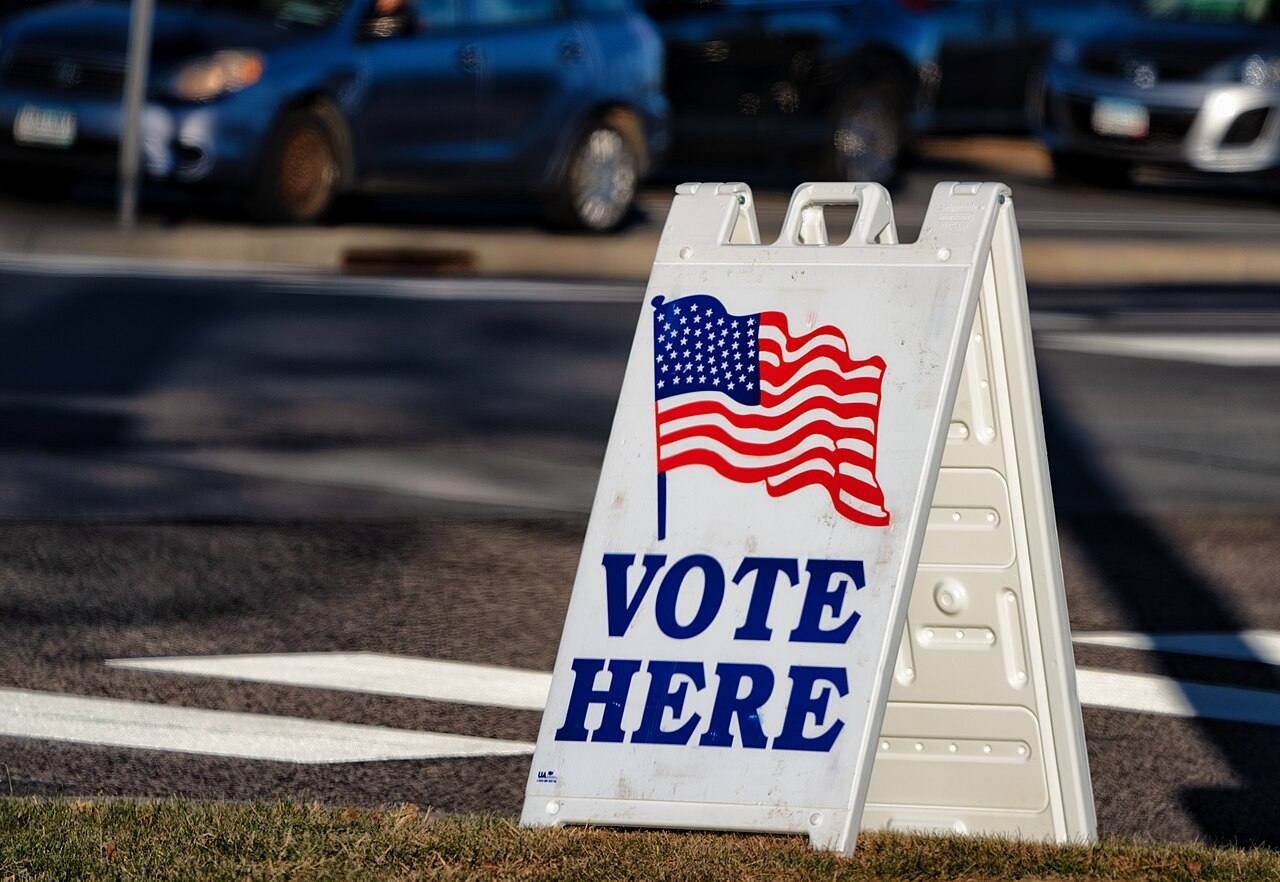
Public Trust at an All-Time Low
The latest public trust survey has painted a stark picture of the American political landscape. With only 24 percent of respondents expressing confidence in the federal government, the sentiment is clear: trust is in short supply. This decline can be traced to various factors, including political polarization, misinformation, and scandals that have plagued both sides of the aisle.
Interestingly, the survey highlights a curious phenomenon: while both left and right express dissatisfaction with government institutions, they often do so through a lens of selective memory. Each party tends to remember only the failures of the opposing side while glossing over their own missteps, creating a toxic environment where trust is eroded further.
The Left's Selective Memory
On the left, there is a growing tendency to vilify conservative leaders and policies while conveniently forgetting the shortcomings of their own party. The Democratic Party has faced criticism for its handling of issues such as healthcare, climate change, and social justice, yet many progressives remain fixated on the actions of previous Republican administrations.
For instance, despite the promises made during the Obama administration regarding healthcare reform, many left-leaning citizens have turned a blind eye to the challenges that persist today. The Affordable Care Act, while a significant achievement, has not solved all the issues related to healthcare accessibility and affordability. Nevertheless, the focus remains on the GOP’s attempts to dismantle it, rather than on the shortcomings of its own party to expand upon its successes.
The Right's Selective Memory
Conversely, the right often highlights the failures of the current administration without acknowledging the problematic legacies left behind by their own leaders. Many conservatives are quick to criticize the Biden administration for inflation and foreign policy blunders, yet they overlook the consequences of the policies enacted during the Trump presidency that contributed to the current state of affairs.
The Trump administration's approach to climate issues, for instance, has led many to question the sustainability of American environmental policies today. However, many on the right continue to dismiss climate change as a priority, focusing instead on the perceived ineptitude of the Democrats in managing the economy.
"The political landscape has become a battlefield of selective memory, where each side ignores its own flaws while condemning the other."
The Impact of Selective Memory
This bipartisan selective memory not only reinforces divisions but also exacerbates public disillusionment. When citizens perceive that their leaders are unable or unwilling to acknowledge their own shortcomings, it creates a sense of betrayal. The result? A growing apathy toward political engagement and a further decline in trust.
Moreover, this cycle of selective memory has real-world consequences. A lack of trust in institutions can lead to decreased voter turnout, reduced civic participation, and even the rise of extremist ideologies. When people feel alienated from the political process, they may turn to fringe movements that promise change, regardless of the potential consequences.
Rebuilding Trust
Addressing the issue of selective memory is crucial for rebuilding public trust. Both parties must commit to acknowledging their past mistakes and working collaboratively toward solutions that benefit all Americans. This means moving beyond partisan rhetoric and focusing on accountability, transparency, and genuine dialogue.
Only by recognizing the failures of both sides can the nation hope to foster a political environment where trust can be reestablished. Political leaders must lead by example, and citizens must demand better from their representatives. The path to restoring faith in government institutions may be difficult, but it is not impossible.
Moving Forward
In this era of heightened political division, it is imperative for Americans to demand accountability from their leaders. Acknowledging past mistakes is not a sign of weakness; rather, it is a necessary step toward authentic governance. By confronting their own failures, both parties can work to restore trust that has been lost amid the chaos of the current political climate.
As we move forward, we must foster an environment where constructive criticism and honest reflection are valued over partisan attacks. Only then can we hope to see a revival of public trust and engagement in our democratic institutions.
✦ ✦ ✦