From the file. Written for the paper dated May 2025. Opened in the public stacks July 14, 2026.
In a week where executive orders dominated the headlines, it seems both sides of the political aisle have embraced a curious form of selective memory regarding their own actions and the implications of those orders.
The Bipartisan Amnesia
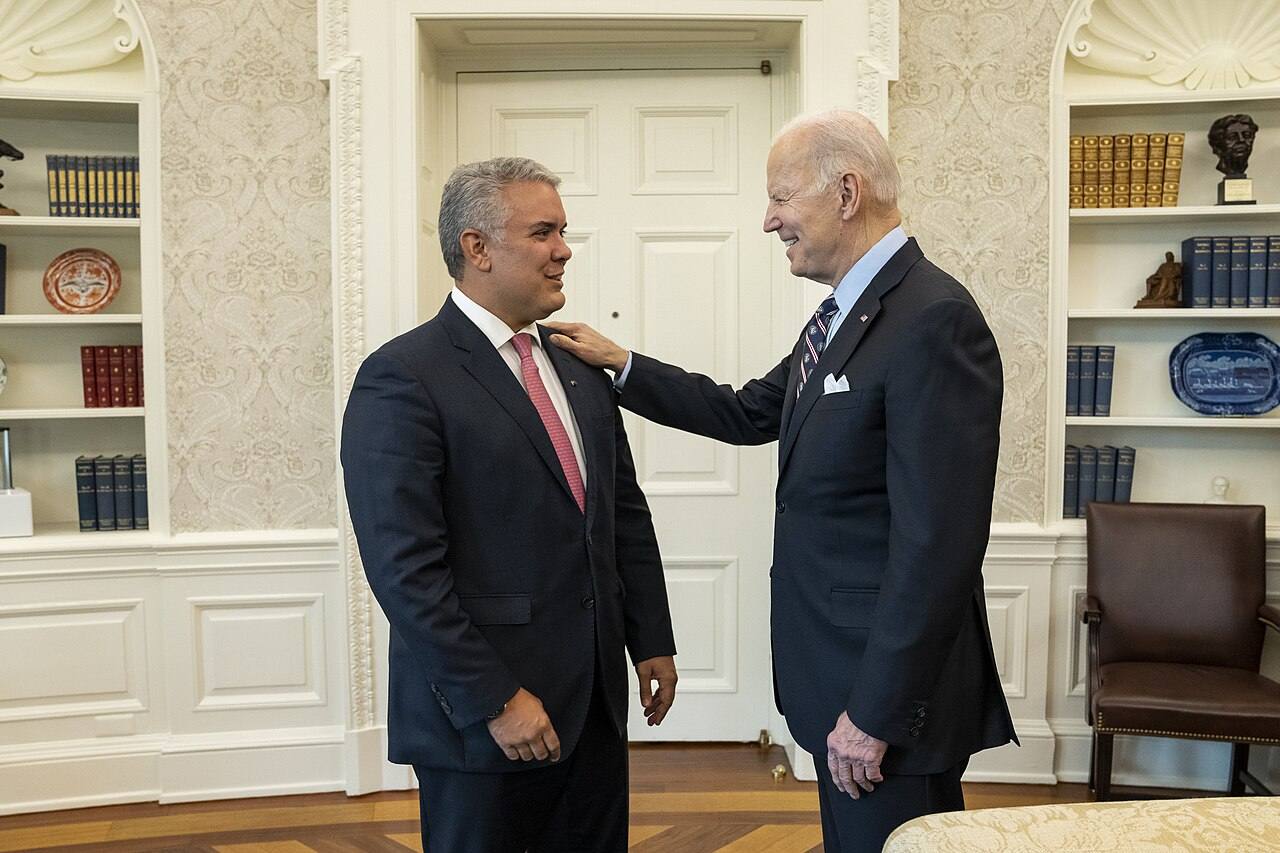
As President Carter signed an executive order aimed at environmental protection, both Democrats and Republicans took to the airwaves to tout their commitment to safeguarding the planet. Yet, the irony is palpable. Just a few short years ago, we witnessed a cavalcade of executive actions from both parties that undermined these very principles. The political theater surrounding these orders often obscures their long-term consequences, leaving the public confused and disillusioned.
The left criticizes the right for its perceived environmental negligence, while the right lambasts the left for what they deem excessive regulation. In this back-and-forth game of blame, the fundamental issue - the need for a unified approach to environmental policy - is buried underneath mountains of partisan rhetoric.
Executive Orders as Political Tools
In the most recent executive order, the President announced new measures to combat climate change. Proponents hailed it as a landmark decision, but it is essential to consider the broader context. Recent history has demonstrated that executive orders can often serve as political tools rather than genuine efforts to address pressing issues. Both parties have engaged in this practice, enacting temporary solutions that appeal to their bases without tackling the root causes of systemic problems.
“When will we stop treating executive orders as band-aids for deeper wounds?”
For instance, during the previous administration, an executive order aimed at deregulating energy production was met with fervent criticism from environmentalists. Yet, many of those same critics now applaud the latest order without acknowledging the cyclical nature of these actions. This selective memory contributes to a lack of accountability and fosters an environment where long-term strategies are sacrificed for short-term political gain.
The Public's Role in Accountability
The American public must play an active role in holding leaders accountable. It is crucial to scrutinize not only the content of executive orders but also the broader implications of their implementation. Voters should demand transparency and consistency from their elected officials, regardless of party affiliation. As it stands, political leaders often shift their stances to align with the prevailing winds of public opinion, leaving behind a trail of broken promises and half-measures.
Moving Beyond Partisan Politics
As we move forward, it is imperative that we foster a political culture that prioritizes long-term solutions over short-term victories. This requires a commitment to bipartisanship and a willingness to engage in difficult conversations. Both sides must confront their own histories and acknowledge when they have strayed from their stated values.
To achieve meaningful change, we must also recognize that executive orders are not the only mechanism for enacting policy. Legislative action is essential, and it is the responsibility of Congress to work collaboratively to create comprehensive solutions. However, the current climate of gridlock and divisiveness makes this increasingly challenging.
A Call for Unity
In light of these challenges, it is worth asking: how can we foster a spirit of unity in a time of division? It begins with understanding that the issues we face are not solely partisan. Climate change, healthcare, and economic inequality are problems that transcend party lines. A genuine commitment to collaboration will require both sides to set aside their grievances and focus on what is best for the nation.
The Path Forward
In conclusion, the executive orders of this past week serve as a reminder of the critical importance of accountability and transparency in governance. As citizens, we must demand that our leaders remember their commitments and act in the best interest of all Americans - not just their party. Only then can we hope to navigate the complex issues of our time with the seriousness they deserve.
✦ ✦ ✦