From the file. Written for the paper dated May 2025. Opened in the public stacks July 14, 2026.
As the auto industry navigates a complex landscape of innovation, regulation, and consumer demand, the selective memory of both political parties is revealing itself in the ongoing discussions surrounding electric vehicles, infrastructure, and labor practices.
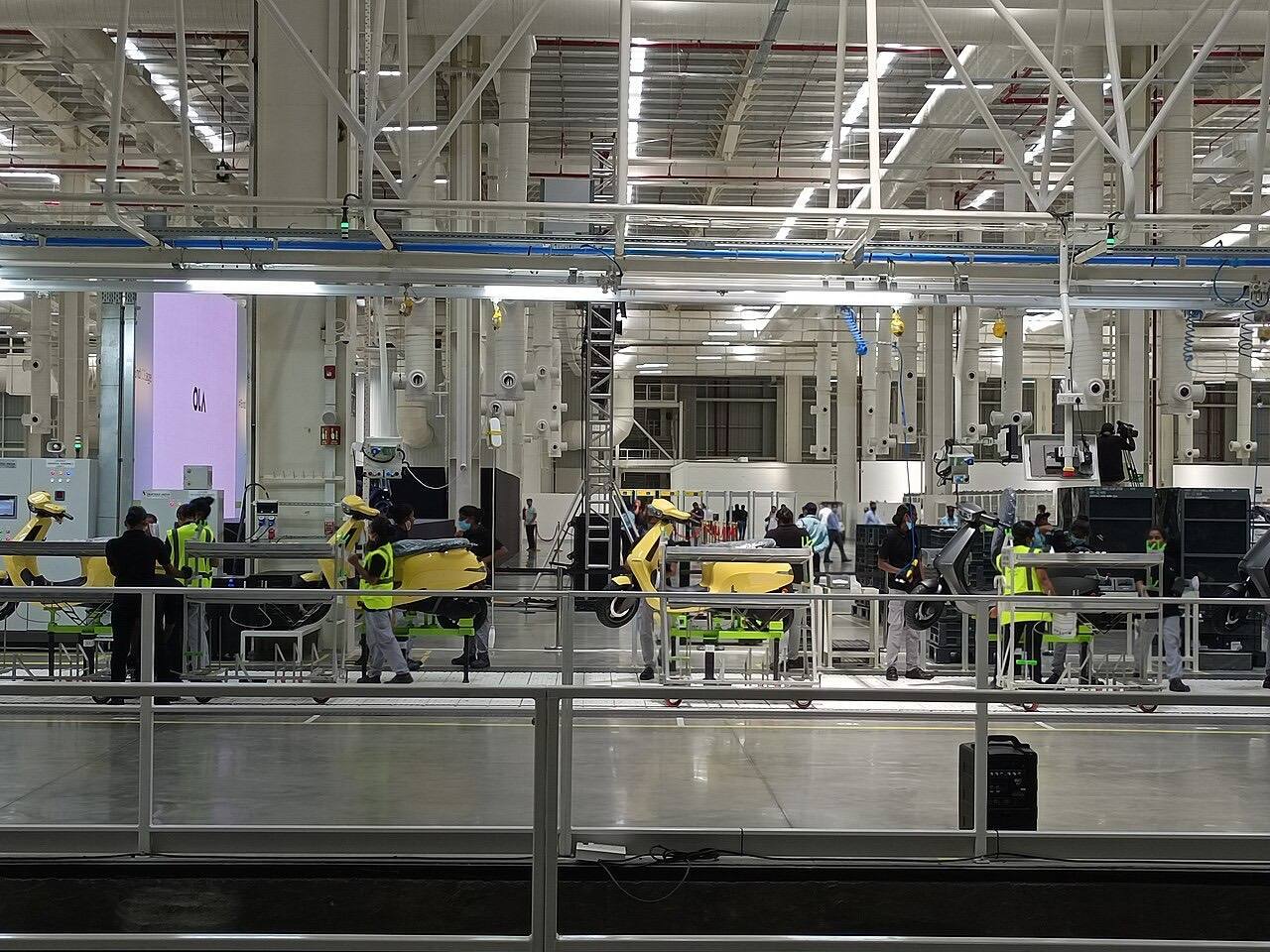
Electric Dreams and Political Amnesia
The push for electric vehicles (EVs) has gained considerable momentum in recent years, with both the Democratic and Republican parties claiming ownership of the narrative. Democrats tout their aggressive climate policies as critical to the transition toward sustainable transportation, while Republicans often highlight their commitment to job creation and economic growth in the traditional auto sector.

Yet, both sides seem to conveniently forget their past stances. Democrats have, at times, resisted the very regulations they now champion, while Republicans have historically pushed back against climate initiatives that could have propelled the industry towards this very moment. The irony is palpable as both parties now claim the mantle of leadership in this critical transition.

“The auto industry’s future is electric, but we must not forget the workers who built this industry.”
Infrastructure: A Bipartisan Blind Spot
The Biden administration's infrastructure plan, which includes significant investments in charging stations for EVs, seems to have garnered support from both sides of the aisle. However, the execution of such plans raises questions about bipartisan cooperation. While Democrats advocate for robust funding, many Republicans have expressed skepticism about government spending, arguing that private sector solutions are preferable.

This selective memory is evident as both parties ignore the fact that infrastructure investment is not solely a Democratic issue. Historically, Republicans have supported significant infrastructure projects when it aligned with their interests, but now they often oppose initiatives that come from the left. The result is a frustrating stalemate that endangers the progress needed for a greener economy.
Labor: The Forgotten Workforce
As the industry shifts towards electric vehicles, labor issues are coming to the forefront. Unions are ramping up demands for fair wages and job security amidst fears of automation and a shrinking workforce. Here, the bipartisan selective memory is striking. Democrats, traditionally aligned with labor, have often overlooked the needs of workers in their push for green technologies. Meanwhile, Republicans, who have historically favored deregulation, now find themselves in a position to advocate for working-class interests.
Both parties must grapple with the reality that a successful transition to electric vehicles cannot come at the cost of the workers who have historically powered the auto industry. The failure to address labor concerns could lead to significant backlash from union members, a loyal voting bloc for Democrats that might feel abandoned as the industry evolves.
Consumer Demand: A Tale of Two Narratives
Consumer demand for electric vehicles continues to rise, but the narrative surrounding this shift reflects the biases of both political factions. Democrats emphasize the environmental benefits and the need for a sustainable future, while Republicans frame the conversation around consumer choice and economic freedom. Both perspectives have merit, but neither fully encapsulates the complexities of the current market.
The reality is that consumers are often caught in the middle of this political tug-of-war. While many are eager to embrace EVs, concerns about charging infrastructure, range anxiety, and price remain prevalent. The auto industry must navigate these consumer sentiments, yet political narratives often oversimplify the challenges and opportunities present in this transition.
Conclusion: Bridging the Divide
As the auto industry continues to evolve, the need for genuine bipartisan cooperation has never been more critical. Both parties must confront their selective memories and acknowledge the shared responsibility they hold in shaping the future of transportation. By focusing on collaborative solutions rather than partisan divides, lawmakers can help foster an environment that supports workers, encourages innovation, and meets consumer demands.
✦ ✦ ✦