From the file. Written for the paper dated April 2025. Opened in the public stacks July 14, 2026.
In an era marked by rapid advancements in knowledge and technology, the authority of experts has never been more pronounced. However, the potential for overclaiming - where experts assert conclusions that exceed the current evidence - remains a pressing issue. This is a quiet failure of oversight that both the left and right are guilty of perpetuating.

The Role of Experts in Society
Experts provide invaluable insights that guide public policy, inform consumers, and contribute to the general understanding of complex issues. From climate science to public health, expert opinions shape the discourse. Yet, there is a growing concern that some experts, driven by ideological leanings or the pressure to secure funding, may overstep their bounds, making claims that lack rigorous backing.

Left-Wing Overreach
On the left, there is a tendency to embrace narratives that align with progressive values, which can sometimes lead to sweeping generalizations. For instance, in discussions about climate change, certain environmental scientists have claimed that immediate and drastic measures are the only path forward. While the urgency of climate action is undeniable, the framing often ignores the complexities of economic impacts and technological feasibility. This can alienate moderate voices and hinder productive debate.
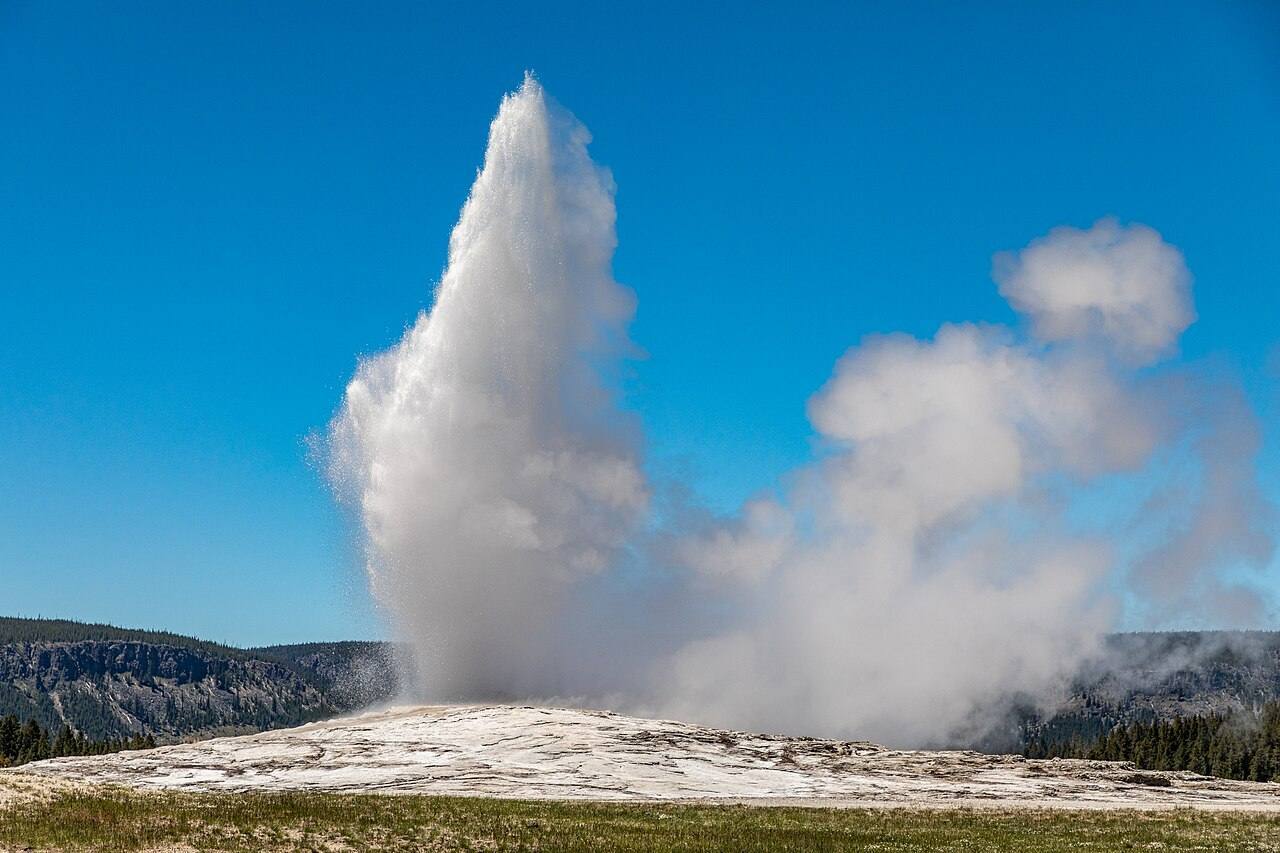
"The urgency of climate action is undeniable, but framing the discussion in absolutes can alienate moderate voices."
Right-Wing Reactions
Conversely, the right has its own brand of overclaiming, often discounting scientific consensus in favor of narratives that serve political objectives. For example, in the realm of public health, some experts have been quick to dismiss the efficacy of vaccines, despite overwhelming evidence supporting their benefits. This selective skepticism not only undermines public trust but also poses real risks to community health. The refusal to acknowledge scientific consensus can lead to dangerous misinformation, creating a divide that is difficult to bridge.
The Need for Accountability
Both sides of the political spectrum must recognize the consequences of expert overreach. The lack of accountability for those who make unfounded claims can lead to a public that is increasingly skeptical of all expert testimony. This skepticism can erode trust in vital institutions, whether they are scientific bodies, medical authorities, or educational systems. The challenge lies in fostering a culture where experts are encouraged to present their findings responsibly, acknowledging the limits of their knowledge while still advocating for necessary action.
Striking a Balance
To address the issue of overclaiming, a more balanced approach is needed. Experts should strive to communicate their findings with humility, clearly outlining the uncertainties and limitations of their work. Meanwhile, the public and policymakers must engage critically with expert opinions, holding them accountable without dismissing their contributions outright. This dialogue is essential for a healthy democracy, one where evidence-based discussions can flourish.
The Path Forward
In conclusion, the quiet failure of oversight regarding expert claims is a pressing issue that deserves attention. We must advocate for a culture of accountability within expert communities while also fostering an environment where rigorous debate can thrive. Only then can we ensure that expertise serves the public good rather than becoming a tool for ideological warfare.
✦ ✦ ✦