From the file. Written for the paper dated April 2025. Opened in the public stacks July 14, 2026.
A recent public trust survey has revealed a worrying trend: both sides of the political spectrum are increasingly disconnected from the electorate they claim to serve. This phenomenon illustrates a quiet failure of oversight that has left many citizens feeling neglected and disillusioned.

Understanding the Survey Results
The survey, conducted by a nonpartisan research group, indicates that trust in government institutions has reached an all-time low. While the data shows a consistent pattern of discontent across various demographics, the responses reveal more than just dissatisfaction; they highlight a profound sense of alienation. Many respondents expressed a belief that politicians are more concerned with their own agendas than the needs of their constituents.
Interestingly, the survey also recorded an uptick in trust among some local governments and community organizations, suggesting that while the public may have lost faith in higher levels of government, they still recognize the value of grassroots efforts. This disparity is indicative of a widening gap between political elites and the average citizen, further complicating the political landscape.
Excesses of the Left and Right
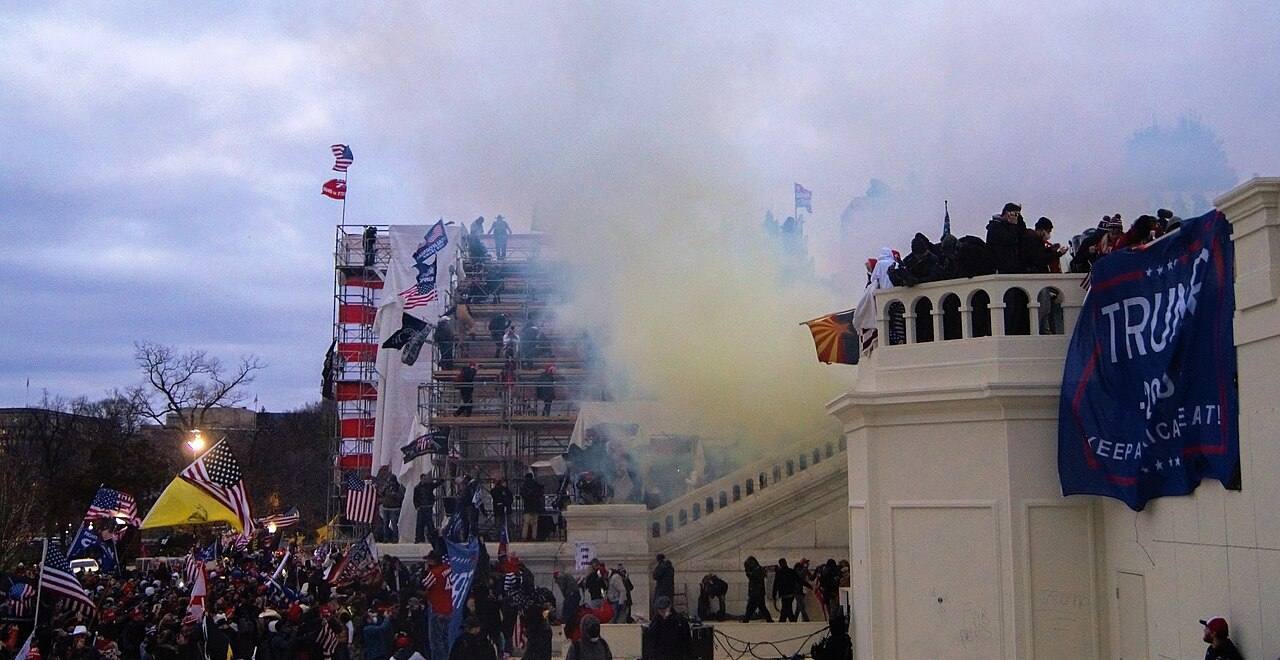
As the political climate becomes increasingly polarized, both left and right factions appear to be missing opportunities for constructive dialogue. The left's emphasis on 'woke' ideologies sometimes alienates potential allies who might otherwise support progressive causes. The focus on identity politics can create an environment where individuals feel judged not for their actions, but for their identities, leading to further fragmentation.
Conversely, the right's reactionary stance against perceived excesses often veers into outright denial of critical societal issues, such as systemic inequality and climate change. This refusal to engage with facts can breed a dangerous level of skepticism that undermines public trust. Instead of fostering a culture of debate, the extremes on both sides are digging in their heels, leaving many citizens in the middle feeling abandoned.
"The extremes of both political sides are failing to meet the real needs of the people."
The Role of Media and Misinformation
In addition to the failures of political leaders, the media landscape has played a significant role in shaping public perceptions. Misinformation and sensationalism often dominate headlines, contributing to the erosion of trust. The constant barrage of conflicting narratives can leave citizens feeling overwhelmed and confused, further deepening the chasm between them and their elected representatives.
While some media outlets strive for accuracy and integrity, others seem more interested in stirring outrage than fostering informed discourse. This environment creates fertile ground for distrust to flourish. A responsible media should serve as a bridge between the public and their leaders, yet too often it has become a wedge.
Community Responses and the Path Forward
In response to this growing distrust, community organizations are stepping up to fill the void left by political leaders. Initiatives aimed at fostering civic engagement, promoting transparency, and encouraging dialogue are gaining traction. Citizens are coming together to address local issues, from environmental concerns to social justice, demonstrating that while they may feel let down by the system, they still possess a desire to effect change.
To rebuild trust, politicians on both sides must recognize that their actions have consequences. They need to listen to the electorate, focus on common ground, and engage in meaningful conversations that transcend partisan lines. This will require humility and a willingness to accept that solutions may not fit neatly into their existing ideological frameworks.
Conclusion: A Call for Accountability
The findings of this public trust survey serve as a stark reminder that accountability is essential in a functioning democracy. As citizens grapple with their feelings of disconnection, it is up to leaders to take responsibility for their actions and work toward rebuilding that trust. Both sides must recognize that their excesses only serve to deepen the divide, and that genuine engagement with the electorate is necessary for a healthier political landscape.
✦ ✦ ✦