From the file. Written for the paper dated April 2025. Opened in the public stacks July 14, 2026.
In the wake of the latest executive order, a deeper examination reveals the troubling absence of oversight that has marred its implementation, raising questions about accountability and governance.
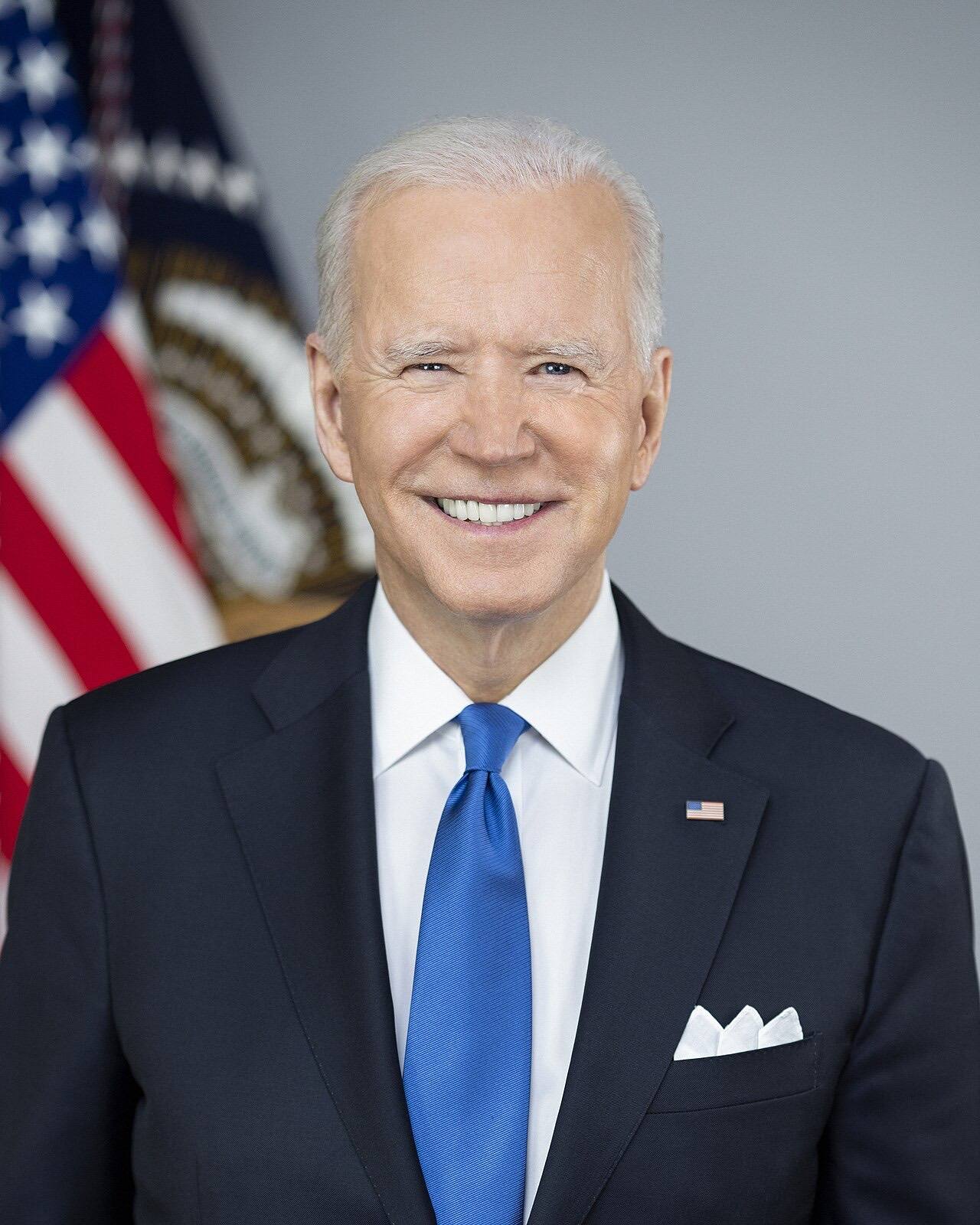
The Executive Order Under Scrutiny
The recent executive order issued by the administration was heralded as a significant step towards addressing pressing national issues. However, as details emerge, it appears that the order has not only fallen short of its ambitious goals but has also exposed the cracks in our system of checks and balances. The lack of adequate oversight mechanisms raises concerns about the potential for abuse of power and misallocation of resources.
Critics from both sides of the political spectrum have voiced their concerns. On one hand, progressives argue that the order fails to address the systemic inequalities it purports to tackle. They believe it is merely a façade, masking the administration's inability to effect real change. On the other hand, conservatives have pointed out the order's potential overreach, warning that it could infringe on individual liberties and state rights.
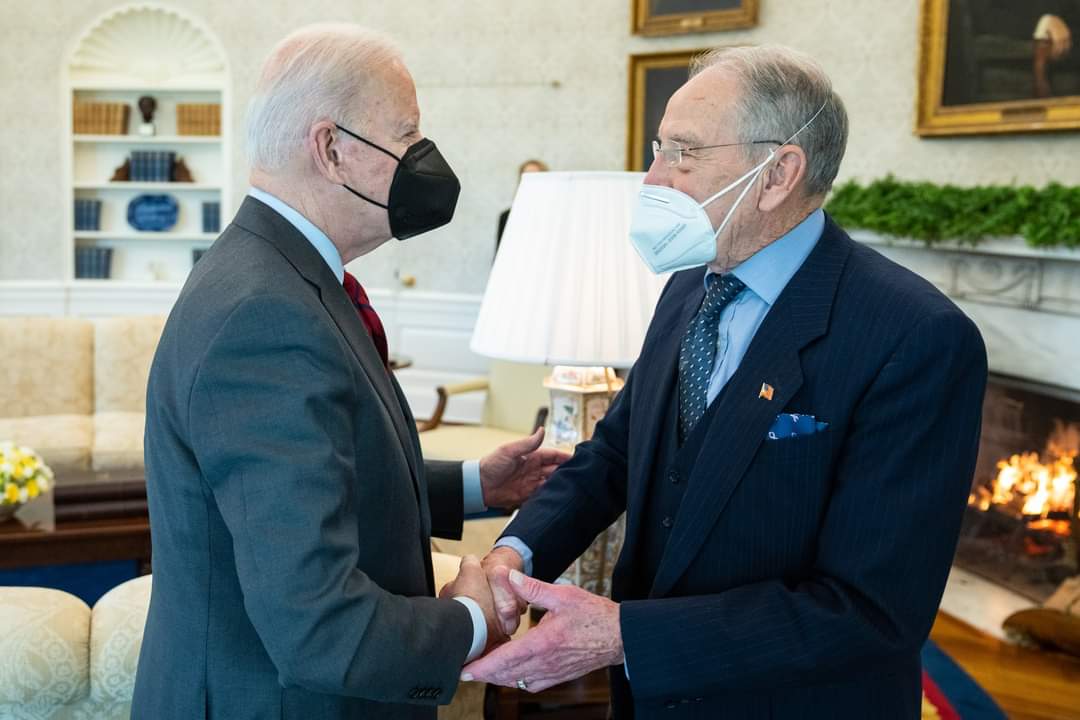
"Without robust oversight, we risk creating policies that serve more as political statements than effective solutions." - A policy analyst
A Pattern of Neglect
This executive order is not an isolated incident. It fits into a broader pattern of governance where expediency often trumps thorough examination. The legislative process has increasingly become a battleground for partisan posturing, resulting in laws that lack the necessary scrutiny and debate. The executive order, while a tool of the executive branch, should not escape the rigors of oversight that are vital to a functioning democracy.
As this order unfolds, it is essential to recognize the role of various stakeholders, including Congress, advocacy groups, and the public, in ensuring accountability. The absence of proactive engagement from these entities allows for policies to be enacted without proper evaluation of their long-term implications.
The Role of Media and Public Discourse
Media coverage has played a crucial role in shaping public perception of the executive order. However, the current environment is plagued by sensationalism and polarized narratives that often overshadow the nuanced discussions needed for informed analysis. While some outlets amplify criticisms from the left, others provide a platform for right-wing fears regarding governmental overreach, creating a feedback loop that distorts the facts.
This dichotomy in representation highlights the need for responsible journalism that prioritizes fact-based reporting over sensationalism. A critical examination of the policies and their outcomes is necessary to foster an informed citizenry capable of holding leadership accountable. The media must strive to bridge the divide by presenting a more comprehensive view of the implications of the order.
"A well-informed public is essential for democracy to thrive; we cannot afford to let partisanship dictate our understanding of policy." - A veteran journalist
A Call for Renewed Oversight
The current executive order serves as a wake-up call for both the administration and the public. It underscores the need for renewed oversight mechanisms that not only promote transparency but also ensure that policies are both equitable and effective. The public must demand accountability from their leaders, insisting on greater scrutiny and engagement in the policymaking process.
As we navigate this complex political landscape, it is crucial to recognize that the responsibility for oversight does not rest solely with the government. Citizens must actively participate in civic discourse, advocating for policies that promote the common good while keeping an eye on potential abuses of power. Only through collective vigilance can we hope to create a system that truly serves its constituents.
Conclusion: A Crossroads for Governance
In conclusion, the recent executive order exemplifies the delicate balance between ambition and accountability. As the nation grapples with pressing issues, the need for a thorough and transparent oversight process has never been more critical. Both sides of the political spectrum must recognize their role in fostering a more accountable governance structure that prioritizes the needs of the people over political expediency.
✦ ✦ ✦