From the file. Written for the paper dated March 2025. Opened in the public stacks July 14, 2026.
The ongoing battle over the filibuster has once again taken center stage in Congress, highlighting the deepening divide between the political left and right. As both sides grapple with the implications of this procedural tool, a nuanced examination reveals the excesses that characterize their respective positions.
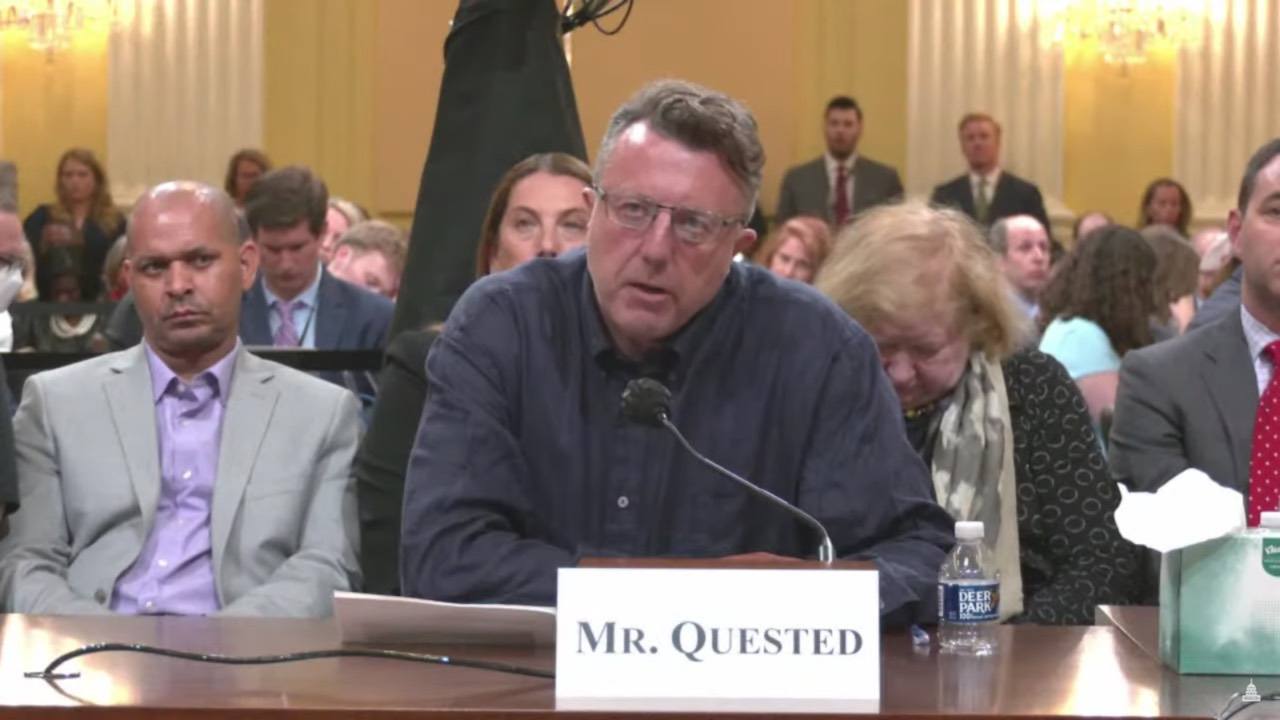
Understanding the Filibuster
The filibuster, a Senate tradition allowing for extended debate on legislation, has become a potent symbol of partisan conflict. Originally intended to protect minority opinions, it has morphed into a weapon wielded by both parties to stymie progress. This week, the debate intensified, with Democrats seeking to eliminate or reform the filibuster while Republicans staunchly defend its existence.
Left's Push for Reform
Progressives argue that the filibuster obstructs necessary reforms, particularly on issues like voting rights and climate change. They view the current stalemate as a threat to democracy itself, insisting that a simple majority should suffice for passing critical legislation. Calls to abolish the filibuster altogether have gained momentum, with prominent Democratic leaders championing the cause.
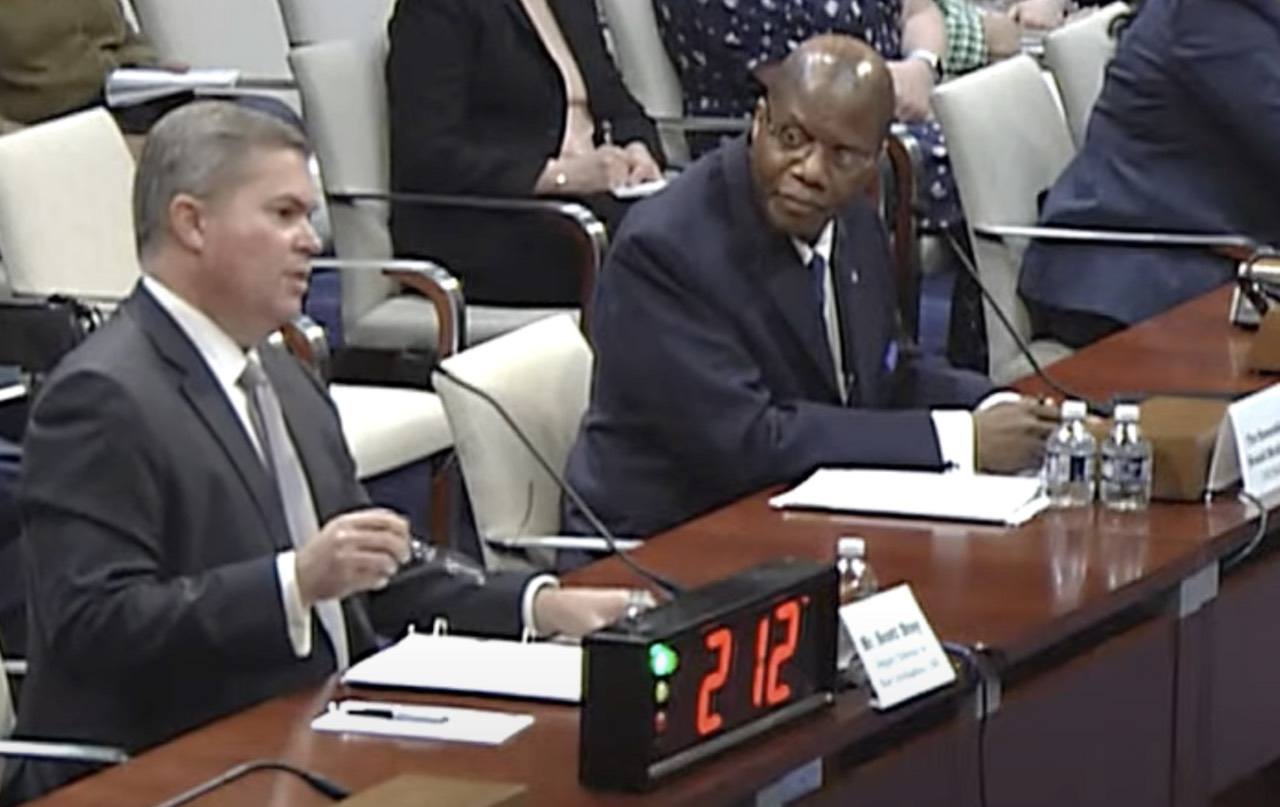
“The filibuster is a relic that prevents us from enacting the change our country desperately needs.”
Yet, this push for reform raises questions about the long-term consequences of such actions. What happens when the pendulum swings back, and the Republicans regain control? The same Democrats advocating for a more straightforward legislative process today may find themselves stymied by a filibuster-free Senate tomorrow. This risk of short-sightedness in their quest for immediate reform is a glaring excess that merits scrutiny.
Right's Defense of Tradition
Conversely, Republicans are rallying around the filibuster as a bulwark against what they perceive as overreach by the left. Their rhetoric frames the filibuster as essential for preserving the rights of the minority and ensuring that sweeping changes do not happen without broad consensus. This commitment to tradition often veers into an inflexible stance that disregards the urgent needs of the American public.
“Eliminating the filibuster would undermine the very fabric of our democratic process.”
In their fervent defense, Republicans risk becoming out of touch with the pressing issues facing constituents. As the nation grapples with challenges like healthcare, infrastructure, and economic inequality, the insistence on maintaining the filibuster - often at the expense of actionable solutions - feels increasingly like an exercise in political theater rather than genuine governance.
A Call for Middle Ground
Amidst the escalating tensions, a middle ground seems elusive. Both parties are entrenched in their respective ideologies, leaving little room for compromise. This stalemate not only hampers legislative progress but also alienates the American public, who are often left feeling frustrated and disenfranchised by the political process.
To move forward, leaders from both sides must recognize that the filibuster, in its current form, serves as a double-edged sword. While it has its merits in protecting minority interests, its misuse has resulted in gridlock that paralyzes Congress. A potential solution could be to reform the filibuster rather than abolish it entirely, perhaps by introducing a tiered approach where certain issues, such as those affecting civil rights or public health, can be fast-tracked with a simple majority.
Public Sentiment and Accountability
Public sentiment around the filibuster is mixed, reflecting the broader dissatisfaction with Congress. Many Americans are frustrated with the inability of their elected representatives to pass meaningful legislation. This discontent highlights the need for accountability, as both parties must recognize that the filibuster should not be an excuse to avoid difficult decisions.
Looking Ahead
As the filibuster controversy unfolds, its implications will resonate far beyond the halls of Congress. Both sides must confront the reality that their extreme positions may ultimately undermine the very democratic principles they seek to uphold. A willingness to engage in constructive dialogue and compromise is essential for restoring faith in the legislative process and addressing the pressing needs of the American people.
✦ ✦ ✦