From the file. Written for the paper dated March 2025. Opened in the public stacks July 14, 2026.
Factory orders saw a mixed response this past week, reflecting the ongoing challenges and opportunities within the manufacturing sector. With conflicting economic signals and market responses, it is crucial to take a balanced view of what these numbers really mean for the broader economy.

The Numbers: A Mixed Bag
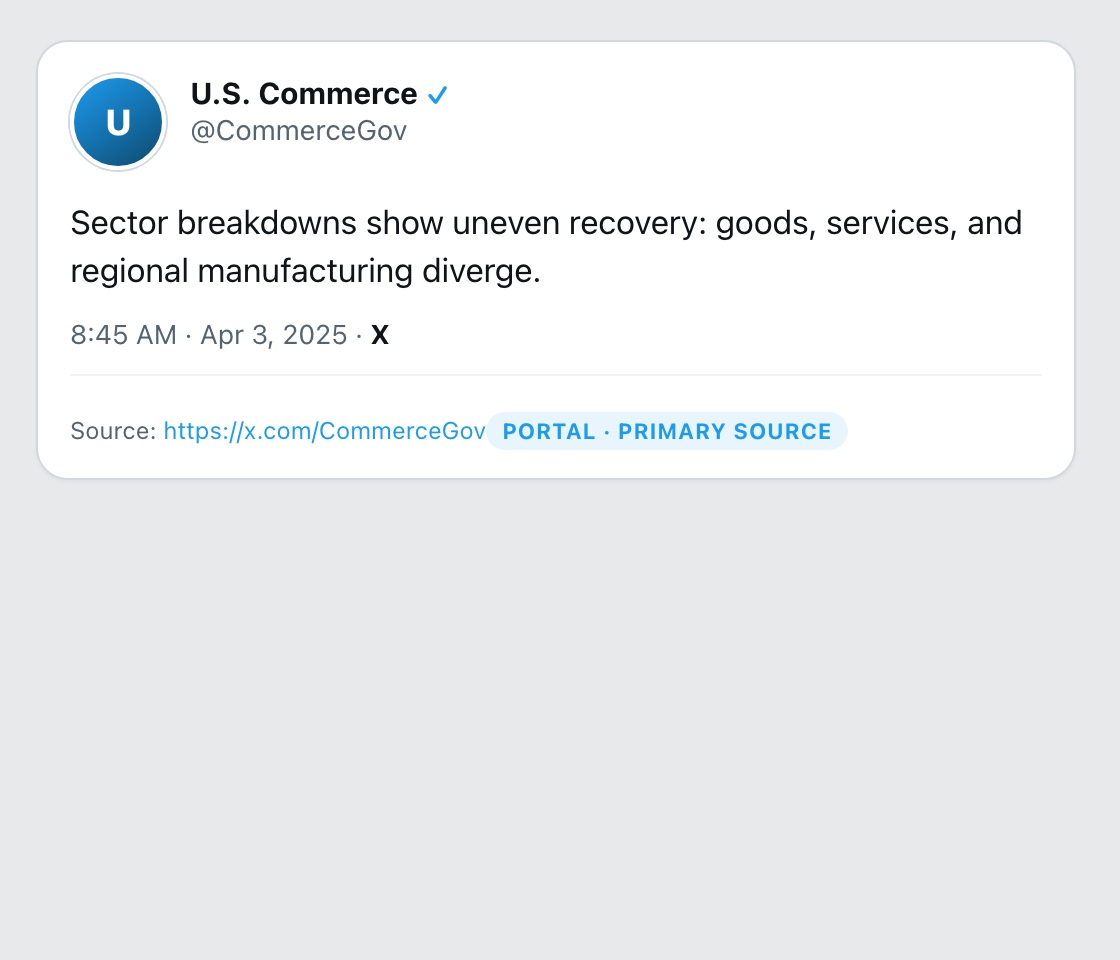
According to the latest reports, factory orders increased by a modest 1.2 percent in February, following a decline in January. While this uptick might seem encouraging, it is essential to consider the context in which these numbers emerged. The increase was largely driven by a surge in durable goods orders, particularly in the transportation sector, which accounted for a significant portion of the growth. However, non-durable goods orders were essentially flat, suggesting that consumer demand may not be as robust as it appears.
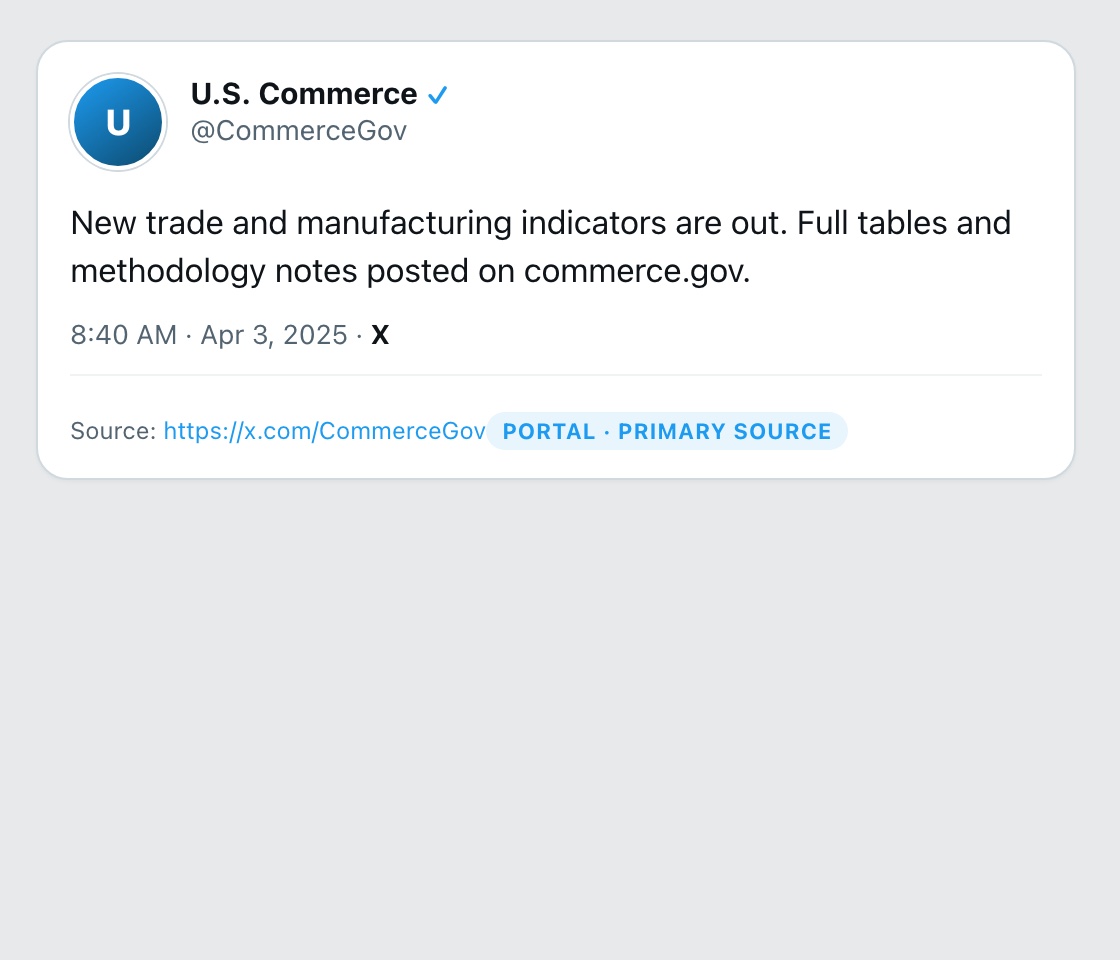
"The manufacturing sector remains on shaky ground, with growth areas overshadowed by persistent challenges."
Market Reactions: Cautious Optimism
The stock market responded with cautious optimism to the news of rising factory orders, with indices showing slight gains. Investors seem to be banking on the idea that the manufacturing sector may be on the verge of a rebound. However, this reaction is tempered by broader concerns regarding inflation and supply chain disruptions that have continued to plague the industry. It is vital for investors to tread carefully, as the volatility of the market remains a significant factor in evaluating the sustainability of this growth.

Political Responses: Diverging Narratives
The political landscape surrounding manufacturing remains contentious, with both sides of the aisle attempting to claim credit for the sector's performance. On the left, there are calls for increased government investment in manufacturing and infrastructure to foster long-term growth. However, this approach has met resistance from those who argue that government intervention could stifle innovation and free market dynamics.
On the right, there is a push for deregulation and tax cuts for manufacturers, with proponents arguing that reducing the burden on businesses will lead to increased investment and job creation. Yet, critics caution that such policies could exacerbate income inequality and fail to address the root causes of the manufacturing sector's struggles.
Challenges Ahead: Supply Chains and Inflation
Despite the positive growth in factory orders, significant challenges loom on the horizon. Supply chain disruptions, which have been a persistent issue for manufacturers, continue to hinder production capabilities. Factors such as geopolitical tensions and natural disasters can have immediate and severe impacts on inventory and shipping timelines.
Moreover, inflation remains a critical concern for manufacturers, as rising costs for raw materials and labor threaten profit margins. The Federal Reserve's monetary policy decisions will play a crucial role in shaping the economic landscape for manufacturers in the upcoming months. As they navigate these challenges, producers must balance price increases with consumer demand to remain competitive.
Conclusion: A Call for Balanced Perspectives
As we analyze this week's factory orders, it is essential to adopt a middle-ground perspective. While the increase in orders may signal a rebound in certain sectors, the overall landscape remains fraught with challenges. Both sides of the political spectrum must recognize that excessive optimism or pessimism can cloud judgment and lead to misguided policies. Instead, a focus on pragmatic solutions that address the underlying issues facing the manufacturing sector will be vital for sustainable growth.
✦ ✦ ✦