From the file. Written for the paper dated February 2025. Opened in the public stacks July 14, 2026.
In the latest release of a government report on unidentified aerial phenomena (UAP), more questions than answers have emerged, particularly surrounding the procedures employed to investigate these incidents.

The Unfolding Narrative
The recent UFO report, mandated by Congress and published in early February 2025, has sparked a resurgence of interest in the mysterious objects that have frequently appeared in our skies. However, while the public focus tends to center on sensational accounts of alien crafts or potential threats to national security, there is a critical aspect of the report that has been largely overlooked: the investigation procedures themselves.

In a world that is increasingly polarized, where sensationalism often overshadows substance, it is essential to dissect how these reports are compiled and assessed. While supporters of increased transparency around UAPs have lauded the report for its frankness, critics argue that the very methodology raises significant concerns.
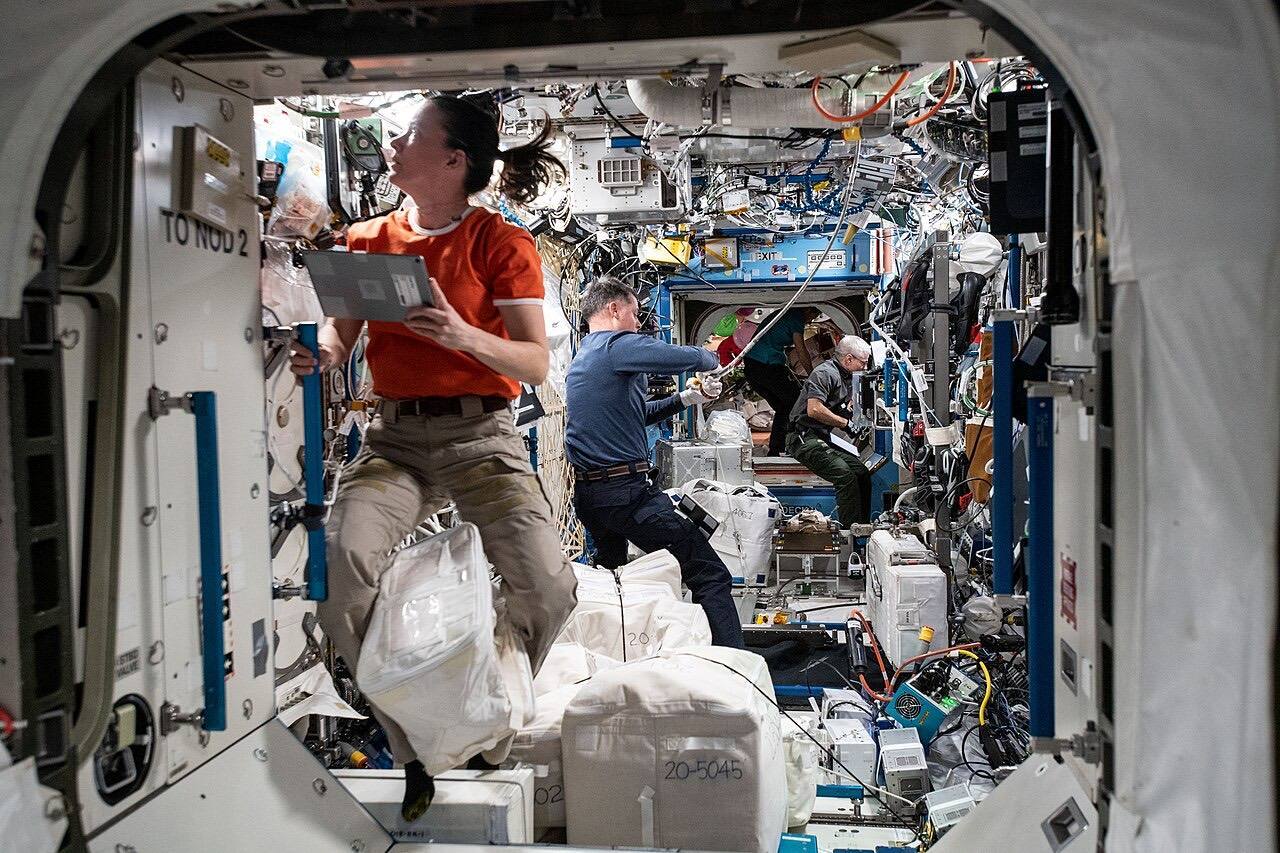
Procedure Under Scrutiny
One of the most contentious elements of the report is the lack of detailed procedural transparency. The report mentions various agencies involved in the investigation, including the Department of Defense and the Office of the Director of National Intelligence. Yet, it fails to provide concrete details about the criteria used to evaluate sightings, the protocols for data collection, and the peer review process for findings. This absence of clarity opens the door for speculation and mistrust on both sides of the political spectrum.
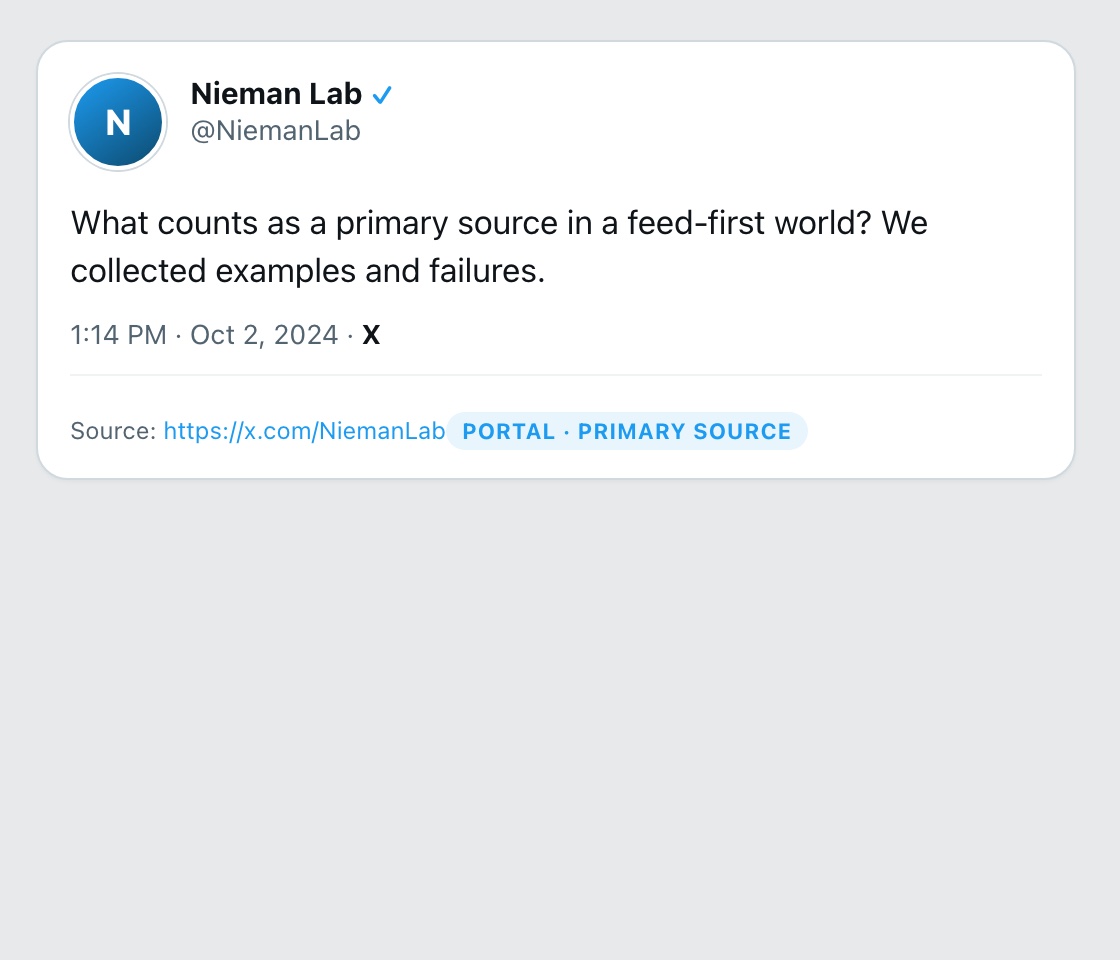
"Without a clear methodology, how can we trust the findings? This report raises more questions than it answers."
On the left, advocates for government transparency are demanding not only more information about these procedures but also accountability for any potential failures to disclose relevant data. They argue that without rigorous investigation protocols, the potential for misinformation and public panic increases exponentially. They are right to be concerned, as history has shown us that a lack of clarity can lead to conspiracy theories that proliferate unchecked.
Conversely, on the right, there is a tendency to dismiss the entire UAP conversation as merely a distraction or a hoax. This skepticism is often fueled by a combination of political motives and a desire to uphold a narrative that downplays any threats to national security. By refusing to engage with the intricacies of the investigation processes, they risk leaving the public in the dark, potentially breeding a dangerous ignorance about phenomena that could have real implications.
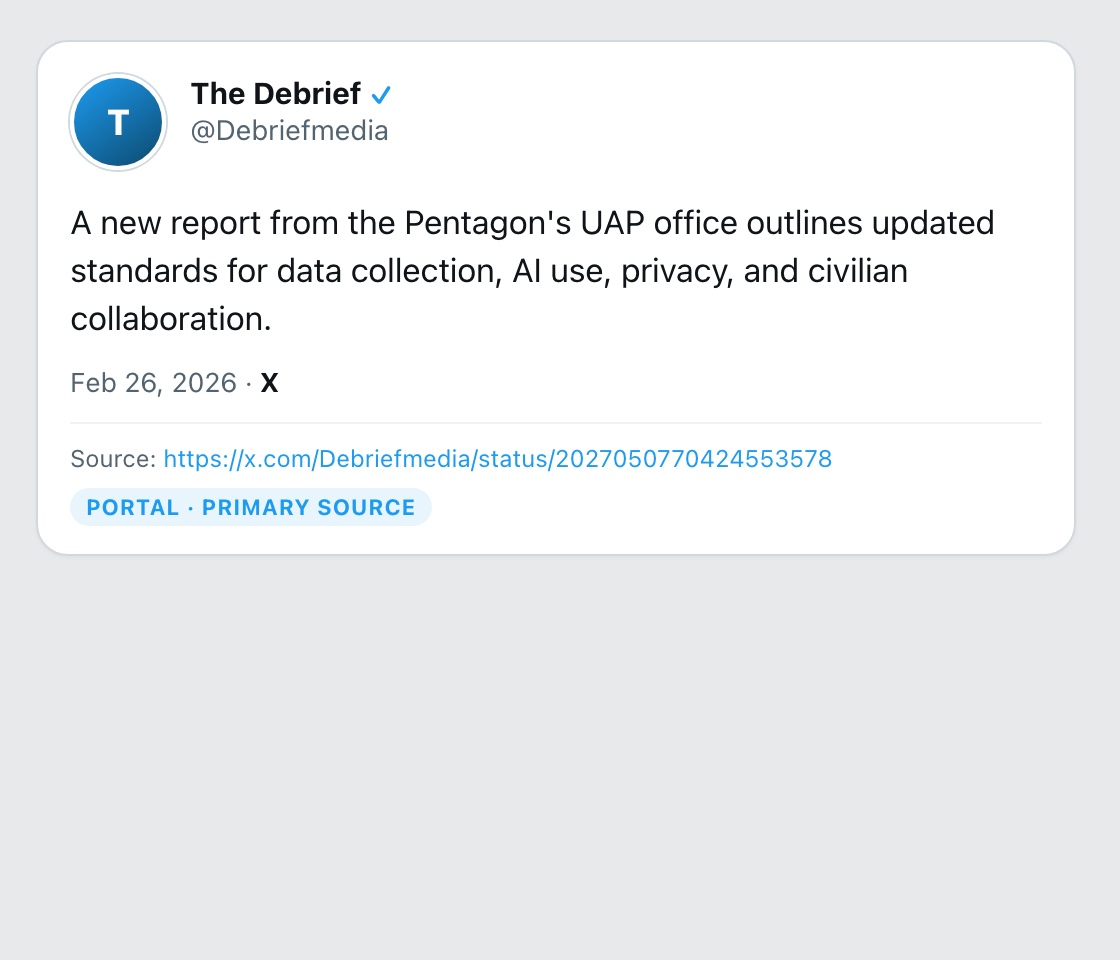
Balancing Act in Reporting
As journalists, we find ourselves treading a fine line between covering the sensational aspects of UFO sightings and addressing the systemic issues that underlie the investigative process. In our quest for engaging stories, we must remember the responsibility that comes with our role. The focus should not solely be on the 'wow' factor of potential extraterrestrial life but also on the integrity of the systems that claim to investigate these sightings.
Moreover, the sensationalist tendencies of some media outlets can inadvertently lead to a culture of distrust in both the government and the media. When reports are presented without adequate context, they can fuel the fire of misinformation rather than serve as a means of enlightenment. This is an issue that transcends political lines and is a call for both sides to engage in a more constructive dialogue.
What Comes Next?
As the public and the press continue to dissect the findings of the UFO report, it is crucial to prioritize a discussion on how to improve investigation protocols. Both the left and right must recognize that the truth about UAPs may be more complex than their respective narratives allow. Genuine engagement with the intricacies of the investigation process could pave the way for a more informed public discourse.
The scientific community should push for rigorous standards in UAP investigations, advocating for peer-reviewed methodologies that could lend credibility to findings. Meanwhile, politicians on both sides should seek common ground, understanding that the quest for truth in these matters is not only about addressing immediate concerns but also about fostering a culture of transparency and accountability.
✦ ✦ ✦