From the file. Written for the paper dated February 2025. Opened in the public stacks July 14, 2026.
As the Senate grapples with the ongoing debate over the filibuster, it becomes increasingly clear that both sides are guilty of excesses that undermine meaningful dialogue and progress.

The Filibuster: A Tool of Obstruction or Protection?
The filibuster has long been a point of contention in American politics, often viewed as a tool for minority parties to obstruct legislation. However, it also serves as a safeguard against hasty decisions made by the majority. In February 2025, as tensions rise over crucial legislative matters, the discourse surrounding the filibuster has reached a fever pitch, revealing the profound ideological divides that define our political landscape.

On one side, progressive Democrats are pushing aggressively for reforms to the filibuster, advocating for a simple majority to pass legislation. They argue that the current rules enable a minority to thwart the will of the majority, particularly on issues such as voting rights and climate change. Yet, their fervor risks undermining the very principles of deliberation and compromise that are foundational to the Senate.
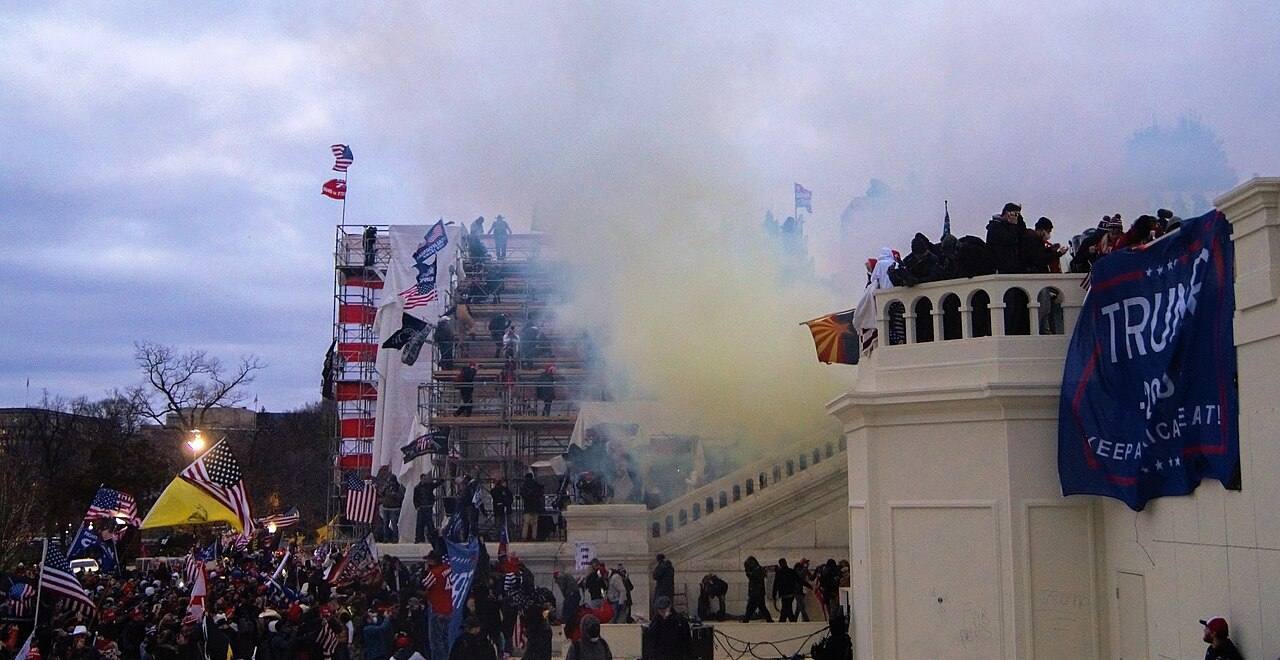
Conversely, Republicans are staunch defenders of the filibuster, framing it as an essential mechanism for protecting minority rights. They claim that eliminating or altering the filibuster would lead to a slippery slope of unchecked legislative power, where the majority could push through any agenda without sufficient consideration or debate. However, their unwavering defense often comes off as a self-serving tactic to maintain their influence, even when it means obstructing popular policies that resonate with a broader electorate.

"The filibuster debate is more about power than principle, and both sides are playing a dangerous game."
Partisan Excesses: The Real Cost of Inaction
In their respective zeal for power, both parties have lost sight of the bigger picture. The filibuster has become a symbol of partisanship, with each side using it to score political points rather than genuinely engaging with the issues at hand. The constant threat of obstruction has created an atmosphere of hostility and mistrust, stifling the possibility of bipartisan solutions that could benefit the American people.
For example, the ongoing discussions about health care reform and infrastructure investments are being overshadowed by the filibuster debate. While both parties acknowledge the urgent need for action, they remain locked in a stalemate, unwilling to compromise on their principles. This unwillingness to engage in constructive dialogue has dire consequences, leaving pressing issues unresolved and the public frustrated.
Finding Common Ground: A Path Forward
To move beyond the current impasse, both parties must recognize that the filibuster is not an end in itself, but a means to facilitate governance. A potential solution lies in reforming the filibuster to encourage more constructive debate rather than outright obstruction. For instance, introducing a system where a finite number of filibusters can be employed per session could incentivize lawmakers to use the tool judiciously.
Additionally, establishing a framework for bipartisan negotiations could help restore faith in the legislative process. The Senate was designed to be a deliberative body, and fostering an environment where diverse viewpoints are heard and considered is essential for effective governance. This requires a willingness to engage in genuine conversations, even when it is uncomfortable.
The Future of the Filibuster: A Call for Responsibility
The current discourse around the filibuster has highlighted the pressing need for both parties to critically assess their roles in the legislative process. Rather than viewing the filibuster as a weapon to wield against political opponents, lawmakers should embrace it as a tool for fostering dialogue and collaboration.
As voters watch the unfolding drama in the Senate, they are left with a sense of disillusionment. The excessive partisanship and refusal to compromise not only damage the credibility of elected officials but also erode public trust in the democratic process itself. Both the left and the right must recognize that their actions have real-world consequences, and the stakes are higher than party allegiance.
✦ ✦ ✦