From the file. Written for the paper dated January 2025. Opened in the public stacks July 14, 2026.
Amidst the clamor of political rhetoric and public demonstrations, the mechanics of union elections often get overshadowed. This week, as labor movements continue to push for a stronger foothold in various industries, it is essential to peel back the layers of excitement and examine the processes that govern these elections.
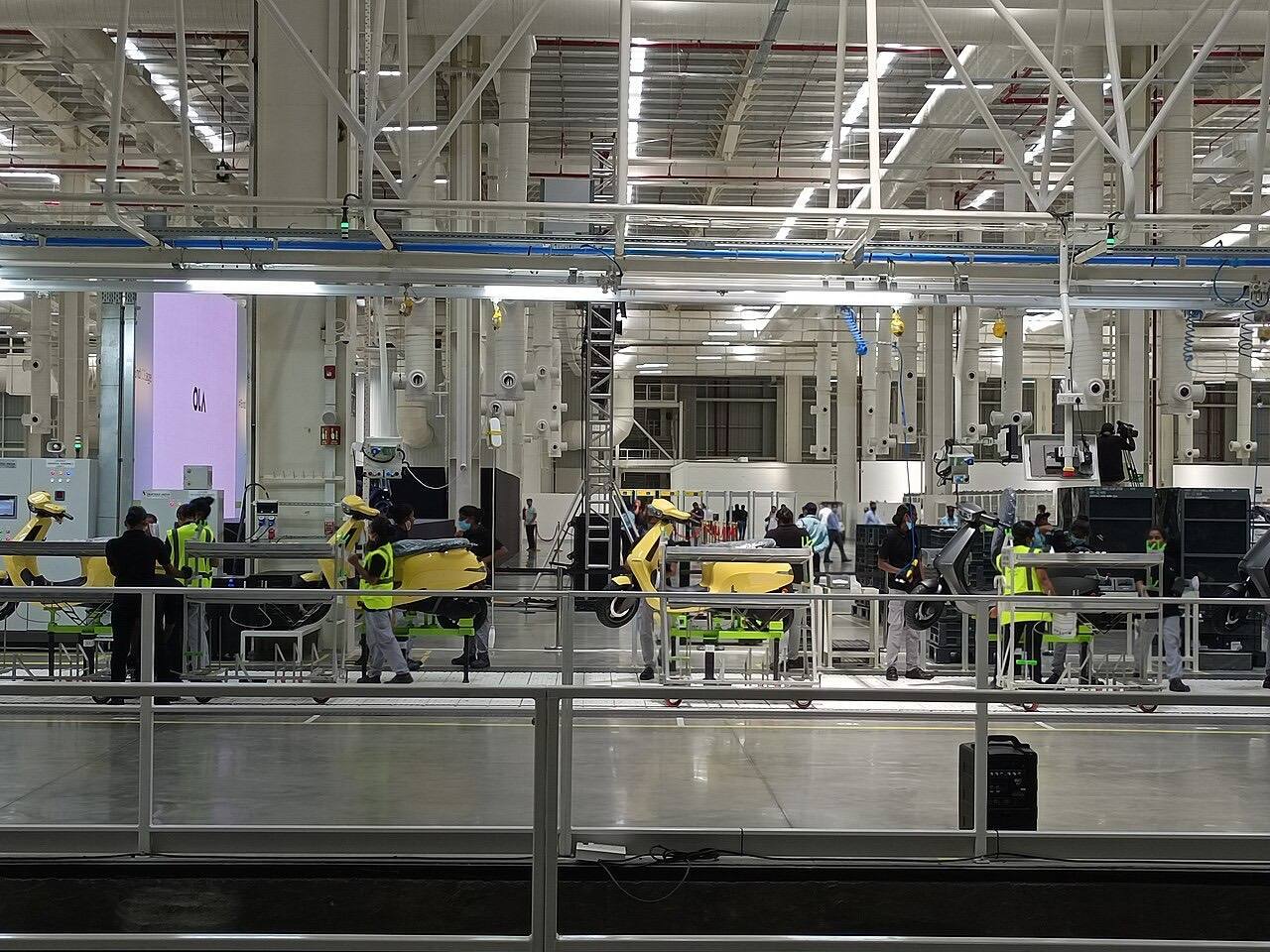
The Framework of Union Elections
Union elections are governed by a series of regulations and procedures designed to ensure fairness and transparency. These rules are established by the National Labor Relations Board (NLRB) and vary by industry, but the core principles remain consistent. Voters must be eligible members of the union, and the election process must be conducted in a manner that minimizes the risk of coercion or undue influence.
This week, several unions across the country are gearing up for crucial elections, each with their own set of challenges. While the rhetoric from both the left and right is loud and filled with grand promises, the actual mechanics of these elections remind us that real change often requires patience and methodical organization. The unions themselves are tasked with ensuring that their members understand the voting process, which can be as confusing as it is important.

The Role of Campaigning
Campaigning within unions can be both a unifying force and a source of division. Candidates often promote platforms centered around worker rights, better wages, and improved working conditions, but the process can also lead to infighting and factionalism. As the left champions inclusivity and the right emphasizes individual merit, the reality in union elections is often more nuanced. The challenge lies in balancing the ideals of collective bargaining with the diverse opinions of the membership.
For example, this week has seen a rise in grassroots campaigns that seek to mobilize members through direct engagement. While these efforts are commendable, they can also lead to the exclusion of voices that do not conform to the dominant narrative. The irony is that while unions are meant to represent the collective, the campaigns can sometimes reflect the extremes of political ideology rather than the moderate views of most workers.
Challenges in the Current Climate
As we examine the current state of union elections, it is hard to ignore the external pressures at play. On one hand, the progressive left pushes for sweeping reforms that promise revolutionary changes. However, such movements can sometimes overlook the intricacies required for effective union operations. On the other hand, the conservative right often paints unions as relics of a bygone era, failing to recognize their potential to adapt and evolve.
This week’s discussions have highlighted a trend where both extremes are guilty of oversimplifying the complexities of labor relations. While rhetoric may energize the base, it can alienate those who are hesitant to embrace radical changes. Workers are not a monolith, and their needs often require more than just a loud voice; they demand practical solutions that take into account the realities of their workplaces.
A Call for Pragmatism
As we navigate through this pivotal moment in labor relations, a call for pragmatism emerges. Union leaders and members must focus on the mechanics of the election process while also remaining aware of the broader socio-political landscape. This week’s elections should serve as a reminder that the path to effective representation lies not just in passionate speeches but also in understanding the rules of engagement.
Moreover, the union elections happening this week are not just about the candidates and their platforms but also about ensuring that every member's voice is heard. The challenges of mobilizing a diverse membership require a commitment to inclusivity and transparency, regardless of political ideology. It is essential for union members to engage in meaningful dialogue and work collaboratively to address the issues they face.
“While both sides may have their agendas, the reality is that effective union representation depends on understanding the needs of all workers, not just the loudest voices.”
The outcomes of these elections will likely set the tone for labor movements in the months ahead. Will they embrace a more moderate approach, focusing on achievable goals, or will they succumb to the extremes that have characterized so much of today’s political landscape? The answer may lie in the hands of the workers themselves, who must navigate the complexities of these elections with both enthusiasm and caution.
Conclusion
As this week unfolds, we must remember that union elections are not merely a reflection of ideological battles but a critical mechanism for safeguarding workers' rights. The noise surrounding these elections may capture headlines, but the real story lies in the dedication of union members to uphold their democratic processes. In an era marked by polarization, finding common ground may be the key to ensuring that labor movements continue to thrive.
✦ ✦ ✦