From the file. Written for the paper dated January 2025. Opened in the public stacks July 14, 2026.
As retail sales figures are released for the first week of January 2025, the focus shifts from glitzy marketing campaigns and consumer trends to the underlying mechanisms that drive these numbers. While headlines trumpet record-high sales or alarming declines, the true story often lies in the mundane details of supply chains, pricing strategies, and consumer behavior.
Understanding the Sales Data
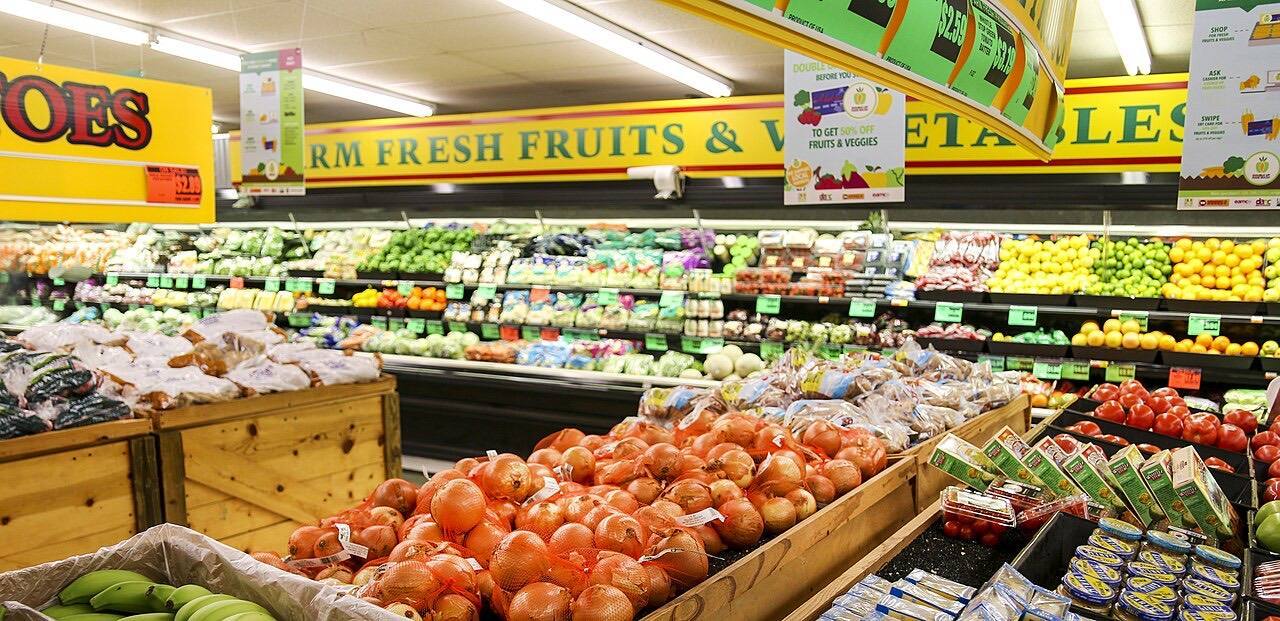
This week, analysts have noted a moderate increase in retail sales compared to the same period last year. However, the excitement around these figures has been tempered by a deeper understanding of their context. Sales in essential sectors such as groceries and household goods have bounced back, indicating a return to more stable consumer habits after the holiday splurge.
Retail sales data is often presented as a snapshot of consumer confidence, yet many fail to recognize the complexities that influence these numbers. For instance, while an uptick in sales might be celebrated, it can also signal higher prices driven by inflationary pressures rather than an increase in actual consumer spending. Understanding these nuances is crucial for both consumers and policymakers.
The Impact of Supply Chain Dynamics
One of the major factors affecting retail performance is the state of supply chains. Over the past few years, supply chain disruptions have forced retailers to rethink their procurement strategies. This week, reports indicate that many retailers are still grappling with inventory issues, which affect their ability to meet consumer demand. Shortages in certain categories, such as electronics and home improvement goods, continue to create volatility in sales figures.
Moreover, retailers are adjusting their inventory levels in response to changing consumer preferences. As shoppers become increasingly conscious of sustainability, many retailers have started prioritizing eco-friendly products and sourcing practices. This shift not only impacts what is available on shelves but also influences pricing and sales strategies.
Price Sensitivity and Consumer Behavior
Consumer behavior is another crucial component that shapes retail sales. In today's economy, consumers are becoming more price-sensitive, particularly as inflation remains a persistent concern. This week, companies that have maintained competitive pricing have seen better performance than those that have opted for premium pricing strategies.

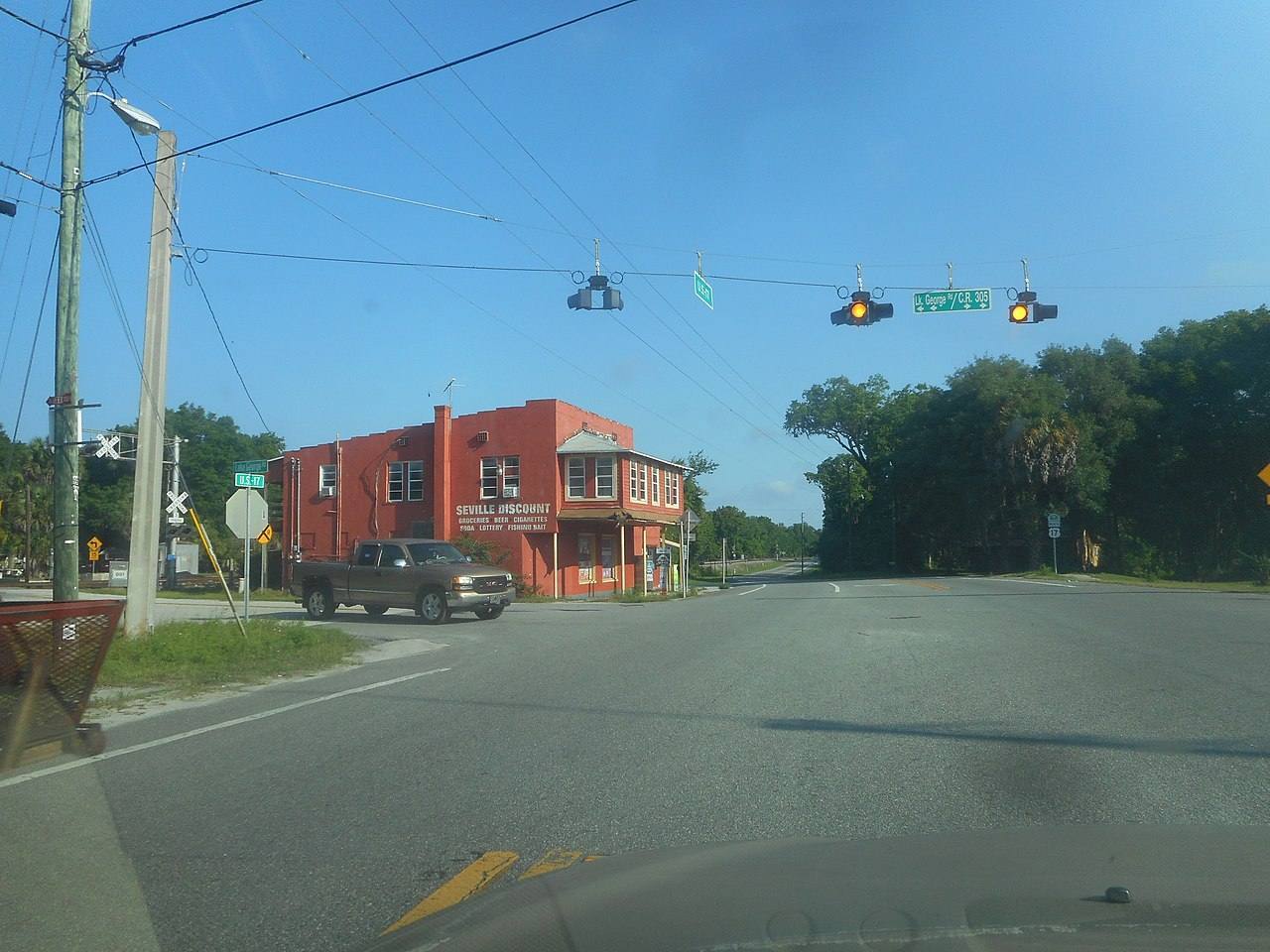
Interestingly, this trend has led to a renewed interest in discount retailers. Many consumers are opting for stores that offer value over luxury, reflecting a shift in priorities. The rise of second-hand shopping and thrift stores also highlights this changing sentiment. As consumers tighten their belts, retailers must adapt to meet these evolving demands.
Critique of Retail Strategies
While some retailers have successfully navigated these challenges, others continue to cling to outdated strategies that may not resonate with the current consumer landscape. Excessive reliance on marketing gimmicks rather than product quality can backfire. For instance, many retailers have invested heavily in flashy advertising campaigns aimed at capturing attention without addressing the fundamental needs of their customers.
On the other hand, there is also a rising trend among more traditional retailers to embrace innovative technologies such as augmented reality and advanced e-commerce solutions. However, the gap between the tech-savvy retailers and those stuck in the past is widening, leading to a polarized retail environment. Those who innovate thrive, while those who resist change risk losing their customer base.
"Sales are not just numbers; they reflect the pulse of consumer sentiment and the adaptability of the retail sector."
Consumer Confidence and Economic Outlook
The recent uptick in retail sales numbers has sparked debates about consumer confidence moving into 2025. While some argue that increased sales indicate optimism, others caution against reading too much into these figures without considering the broader economic indicators. Disposable income, employment rates, and inflation all play significant roles in shaping consumer behavior.
As we head deeper into the year, the challenge for retailers will be to navigate these complexities while remaining responsive to consumer needs. The best retailers will be those that can strike a balance between marketing and genuine value delivery.
Conclusion
As the dust settles from the holiday shopping season, the retail sector is left with both opportunities and challenges. While the headlines will continue to focus on spectacular sales figures or alarming declines, the real story lies in the intricate web of decisions that shape consumer behavior and retail strategies. It is essential for stakeholders, from consumers to policymakers, to engage with these underlying mechanisms to foster a healthier retail environment moving forward.
✦ ✦ ✦