From the file. Written for the paper dated January 2025. Opened in the public stacks July 14, 2026.
This past week, public laboratories across the nation opened their doors to the curious, the skeptical, and the hopeful. These open houses aimed to demystify scientific processes, but beneath the excitement lay a reality that often goes unnoticed: the mechanical routine of scientific inquiry.

The Allure of Public Engagement
The concept of public open houses at laboratories is undeniably appealing. They present an opportunity for scientists to showcase their work to the general public, inviting questions, discussions, and even skepticism. However, while many attendees expect a showcase of groundbreaking discoveries, they are often met with the mundane mechanics of scientific processes. It is a reality that both excites and disappoints, revealing the dual nature of scientific exploration.

For many, the word "lab" conjures images of revolutionary breakthroughs and high-stakes experiments. But the truth is that much of the scientific process is grounded in routine. From meticulous data collection to the repetitive nature of hypothesis testing, the excitement of discovery is often overshadowed by the drudgery of experimentation. In this week’s open houses, visitors were treated to a glimpse behind the curtain - where the real work lies.
The Mechanical Nature of Science
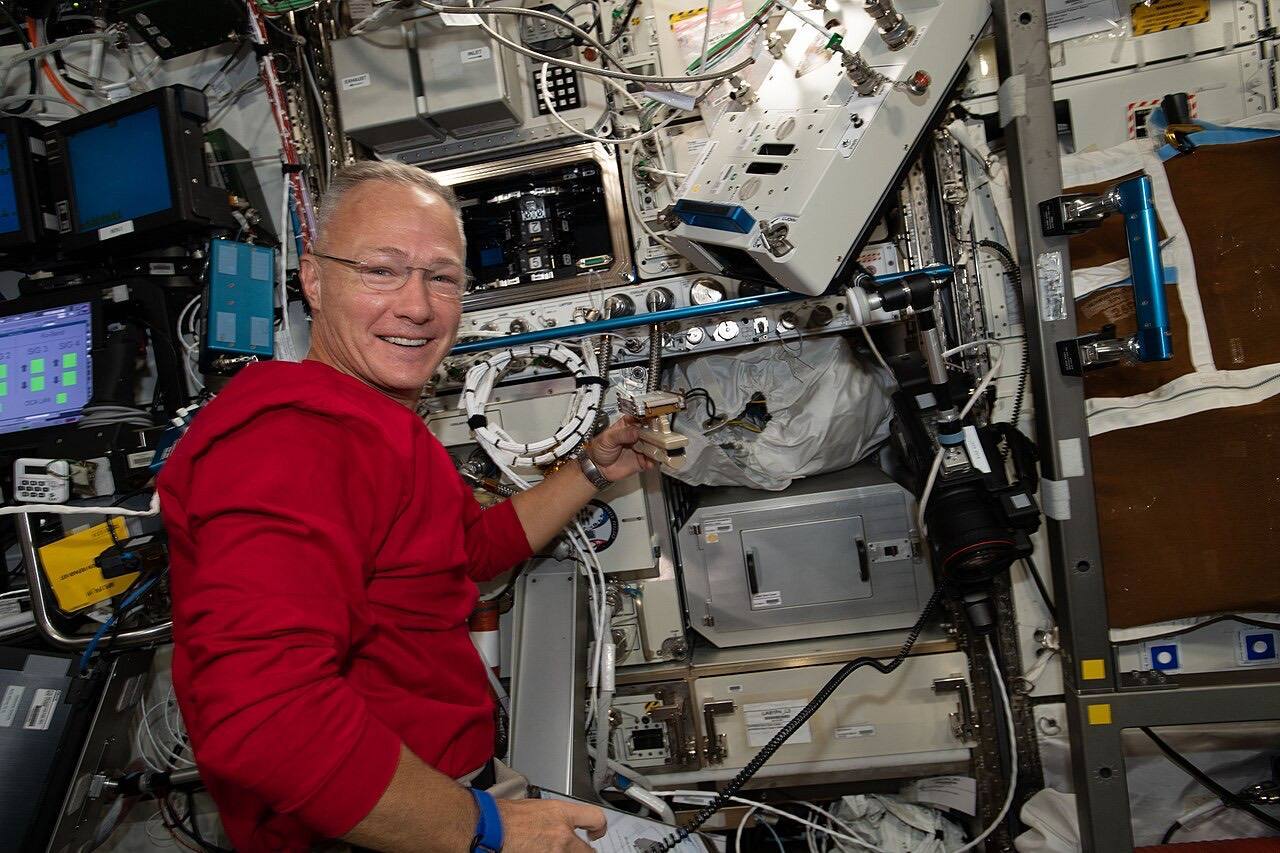
Visitors observed scientists engaged in a range of activities - from calibrating instruments to collecting samples. Each of these tasks is critical to the success of any research project, yet they lack the glamour often associated with scientific breakthroughs. As one researcher explained, “For every exciting finding, there are countless hours of preparation, testing, and sometimes, failure.”
“For every exciting finding, there are countless hours of preparation, testing, and sometimes, failure.”
This sentiment echoed throughout the open houses, where many lab representatives highlighted the importance of patience and persistence in research. Attendees were reminded that the road to discovery is not always a straight line; it is often a winding path filled with setbacks and revisions. While the public may be captivated by the idea of instant results, true scientific progress requires tenacity and an acceptance of the mundane.
A Balancing Act: Celebrating Science and Acknowledging Its Limits
As scientists engage with the public, there is a delicate balance to maintain. On one hand, there is a need to inspire and ignite curiosity among attendees. On the other, there is an imperative to communicate the reality of scientific work, which often includes repetitive tasks and prolonged periods of uncertainty. The danger of over-hyping scientific achievements can lead to unrealistic expectations, creating a disconnect between the public and the scientific community.

In recent years, this has become a contentious issue. Some public figures have criticized the scientific community for being either too secretive or too sensational. In response, scientists have sought to create more inclusive environments that invite public participation, yet this effort has not come without its challenges. Some critics argue that the push for public engagement can dilute the rigor of scientific inquiry, prioritizing entertainment over education.
Excesses on Both Sides
The current cultural landscape surrounding science is fraught with extremes. On one side, there is a tendency among some scientists to dismiss public skepticism as ignorance. This can alienate those who are genuinely curious yet wary of scientific claims. On the other hand, there are voices that dismiss scientific findings outright, labeling them as elitist or agenda-driven. The resulting polarization hinders productive dialogue and undermines trust in the scientific community.
In this environment, public lab open houses serve as a vital reminder of the importance of bridging the gap between science and society. They provide a platform for open communication and transparency, allowing scientists to engage with the public while also reinforcing the idea that science is a collective endeavor. However, both scientists and the public must strive for a middle ground - recognizing the value of rigorous inquiry while remaining open to questions and dialogue.
The Future of Public Engagement
As we look to the future, it is clear that public engagement in science is essential. But it must be approached with a nuanced understanding of what science entails. The open houses of this week demonstrated that while the mechanics of scientific inquiry may seem boring to some, they are the backbone of meaningful discoveries. It is through this lens that we must continue to foster a relationship between scientists and the public.
Ultimately, the goal should be to cultivate a culture of curiosity that values both the excitement of discovery and the importance of the process. By embracing the reality of scientific work - the tedious, the routine, and the exhilarating - we can work toward a more informed public and a more resilient scientific community.
✦ ✦ ✦