From the file. Written for the paper dated January 2025. Opened in the public stacks July 14, 2026.
As Congress grapples with the ongoing debate over the filibuster, a closer examination reveals that the true battle lies not just in the political theater but in the very mechanics of legislative procedure.
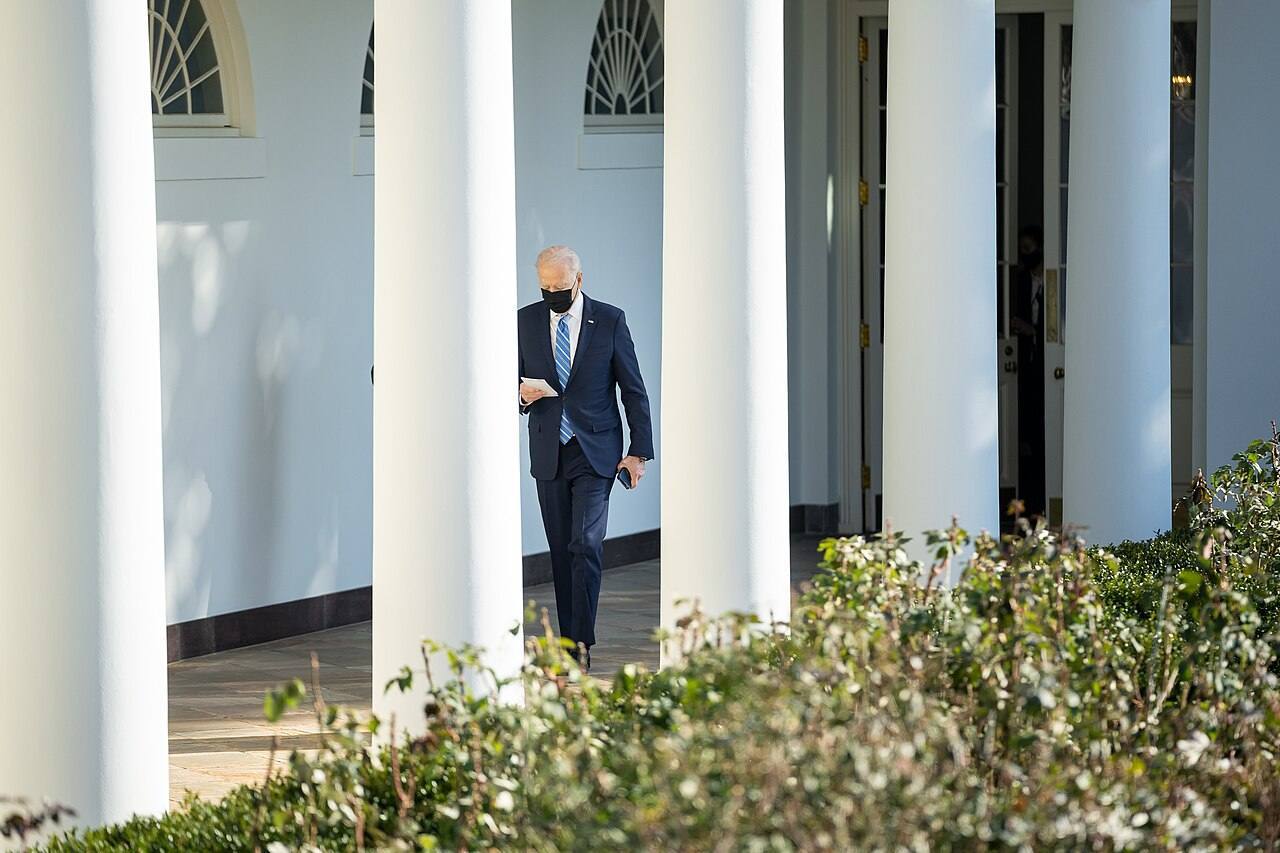
Understanding the Filibuster: A Legislative Tool
The filibuster has long been a point of contention in American politics, often seen as a tool of obstruction. While its defenders argue that it protects minority rights, critics contend that it hampers progress on crucial legislation. This week, the debate reached a fever pitch, with lawmakers from both parties taking to the floor to voice their opinions. Yet, amid the grandstanding and fiery speeches, the practical implications of this legislative maneuver often get lost in the shuffle.
“It’s not just about the politics; it’s about how the rules shape our ability to govern effectively.”
At its core, the filibuster allows a minority of senators to prolong debate on a piece of legislation, effectively forcing a supermajority to agree before a bill can pass. This can lead to gridlock, particularly when partisan divides are stark. In recent years, both sides have employed the filibuster as a weapon, leading to a cycle of retaliation that has only intensified the polarization in Congress.
The Rhetoric vs. Reality
This week, President Biden and Senate Majority Leader Chuck Schumer made impassioned speeches urging the Senate to eliminate or reform the filibuster, expressing frustration over stalled voting rights legislation. Meanwhile, Republicans rallied around their right to filibuster, framing any attempt at reform as an attack on democracy itself. The irony is palpable: both sides accuse each other of undermining democratic principles while wielding the very same tool that creates the impasse.
The current state of affairs raises questions about the effectiveness of the filibuster as a mechanism for governance. Supporters argue that it encourages compromise and thoughtful consideration of legislation, while detractors point to the stagnation that results when one party can effectively block progress. The ongoing fight has become emblematic of a broader issue within American politics: the inability to navigate the complexities of governance while adhering to a highly polarized environment.
Excesses on Both Sides
In recent months, both the left and the right have escalated their rhetoric concerning the filibuster. Progressives, frustrated by the lack of movement on issues like climate change and healthcare reform, have labeled filibuster supporters as obstructionists, undermining the will of the people. Conversely, conservatives have painted attempts to modify the filibuster as a radical move that threatens the very foundation of the Senate as a deliberative body.
“In the end, it’s the American people who suffer from this gridlock, not just the politicians.”
Such excesses only serve to deepen the divide, while the actual mechanics of the filibuster remain largely out of the public eye. The focus on political posturing often overshadows the need for a substantive discussion about the role of the filibuster in contemporary governance. Instead of addressing how it can be reformed to better serve the legislative process, both sides engage in a battle of wills that distracts from the pressing issues facing the nation.
Looking Ahead: Potential Reforms
As the debate continues, the question remains: what reforms, if any, could strike a balance between preserving minority rights and facilitating legislative action? Some lawmakers have suggested a “talking filibuster,” which would require senators to actually hold the floor and speak in order to maintain a filibuster. This could lead to more accountability and transparency, while still allowing minority voices to be heard.
Ultimately, it is clear that both sides must confront the reality that the current state of affairs is unsustainable. The American public deserves a Congress that works effectively to address the challenges facing our nation, rather than one bogged down by procedural wrangling and partisan bickering. As we move forward in 2025, it is imperative that lawmakers engage in a meaningful dialogue about the filibuster and its implications for our democracy.
✦ ✦ ✦