From the file. Written for the paper dated January 2025. Opened in the public stacks July 14, 2026.
In an era dominated by sensational headlines and polarized political rhetoric, the energy grid remains a critical yet often overlooked component of our daily lives. As we dive into the week’s developments, it is essential to focus not just on the noise but on the underlying mechanisms that keep our power flowing.

Energy Infrastructure: The Backbone of Modern Society
The energy grid is the lifeblood of modern civilization, responsible for delivering electricity to homes, businesses, and essential services. This week, various reports highlighted the ongoing upgrades and challenges facing our aging infrastructure. While discussions often pivot to renewable energy initiatives and climate change, the reality is that the grid's reliability hinges on its physical components - power lines, transformers, and substations - which require constant maintenance and investment.

Recent outages in several regions have sparked debates about the adequacy of our energy grid. Critics on the left argue that insufficient investment in renewable technologies is to blame, while those on the right often point fingers at regulatory burdens that stifle innovation. Both sides have valid concerns; however, these oversimplifications distract from the comprehensive approach needed to address the grid's complexities.

Renewables vs. Traditional Sources: A Delicate Balance
This past week has seen a flurry of announcements from both major energy companies and government agencies regarding the transition to renewable energy. While the momentum towards wind and solar power is commendable, the reality is that we still depend heavily on traditional energy sources. The grid's ability to integrate these new sources while maintaining stability is paramount.

Moreover, the recent push for a rapid transition has led to tensions between different factions. Environmental advocates push for swift action to combat climate change, while energy companies express concerns about regulatory hurdles and financial viability. On the opposite side, critics of renewable policies warn against the dangers of over-reliance on intermittent energy sources, citing the need for a balanced energy portfolio that includes nuclear and natural gas.
"The future of our energy grid depends not just on how much we invest in renewables, but also on how we manage the transition."
Regulatory Challenges: The Politics of Energy
As energy policies are debated in Congress, it is evident that the regulatory landscape is a minefield. This week, lawmakers from both parties clashed over proposed legislation to streamline the permitting process for new energy projects. Proponents argue that reducing bureaucratic red tape is essential for accelerating the deployment of renewable technologies, while opponents raise concerns about environmental assessments and community impact.
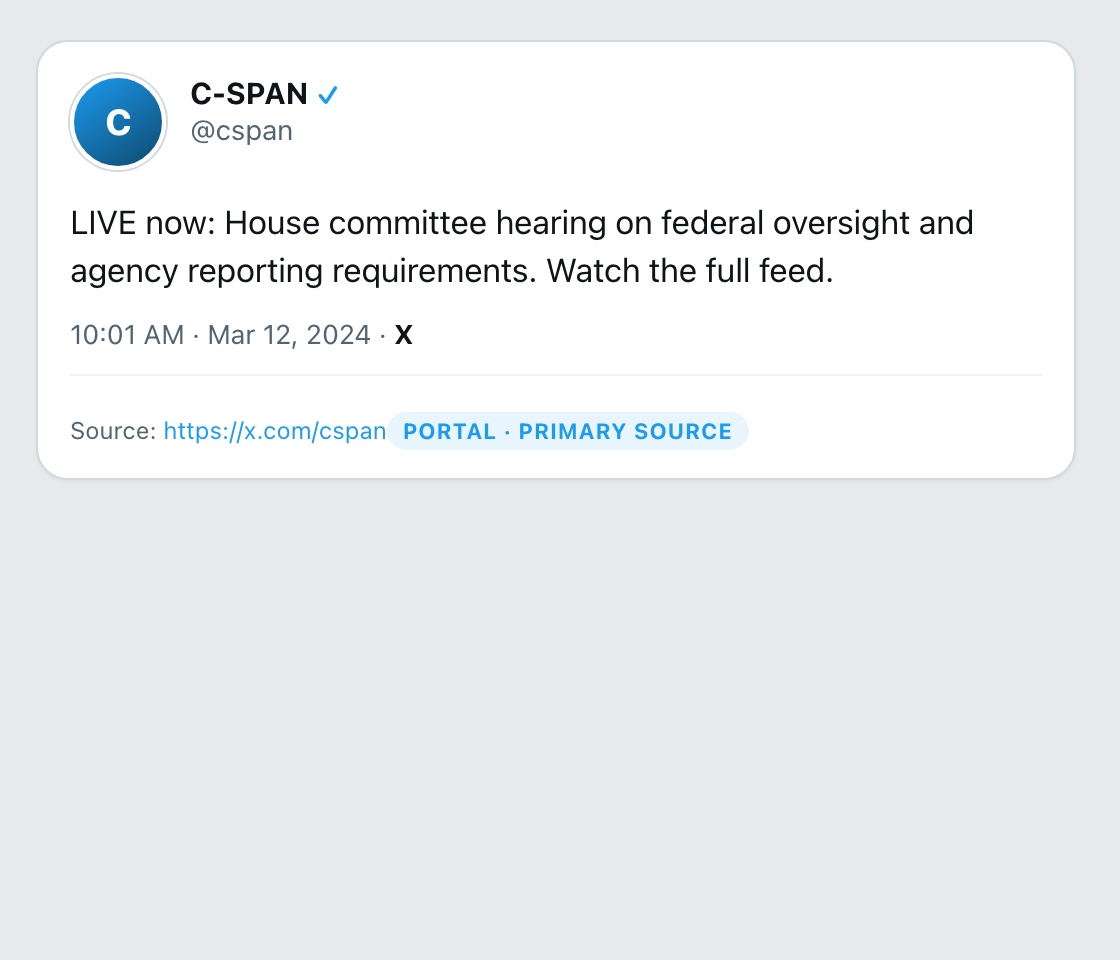
Here we see a classic case of political excess on both sides. The left often advocates for sweeping reforms that may overlook local concerns, while the right's resistance to change can stall necessary progress. The result is a stalemate that further complicates the already challenging task of modernizing our energy infrastructure.
The Role of Technology in the Energy Future
Amidst the discussions surrounding policy and infrastructure, the role of technology remains pivotal. This week, several startups unveiled innovative solutions aimed at enhancing grid resilience and efficiency. From smart grid technologies that allow for real-time monitoring to energy storage systems that can stabilize supply, these advancements represent the future of our energy landscape.
However, the enthusiasm surrounding these innovations should not overshadow the importance of a robust regulatory framework that supports rather than stifles development. The potential for technological breakthroughs is immense, but without appropriate oversight, we risk repeating past mistakes where innovation outpaced regulation, leading to systemic failures.
Conclusion: A Call for a Pragmatic Approach
As we reflect on the state of the energy grid this week, it becomes increasingly clear that the path forward requires a pragmatic approach that transcends partisan divides. The challenges we face are multifaceted, and addressing them will require cooperation and compromise from all stakeholders involved.
Whether you lean left or right, the reality is that our energy future depends on a well-functioning grid that can support both traditional and renewable energy sources. It is time for a collective effort to ensure that our energy infrastructure not only meets current demands but is also equipped to handle the challenges of tomorrow.
✦ ✦ ✦