From the file. Written for the paper dated January 2025. Opened in the public stacks July 14, 2026.
In a week filled with passionate debates about childhood nutrition, the real mechanisms behind policy decisions often get lost in the noise. As 2025 unfolds, both sides of the political spectrum have ramped up their rhetoric, but the essential truths of what constitutes healthy eating for children remain obscured by ideological extremes.
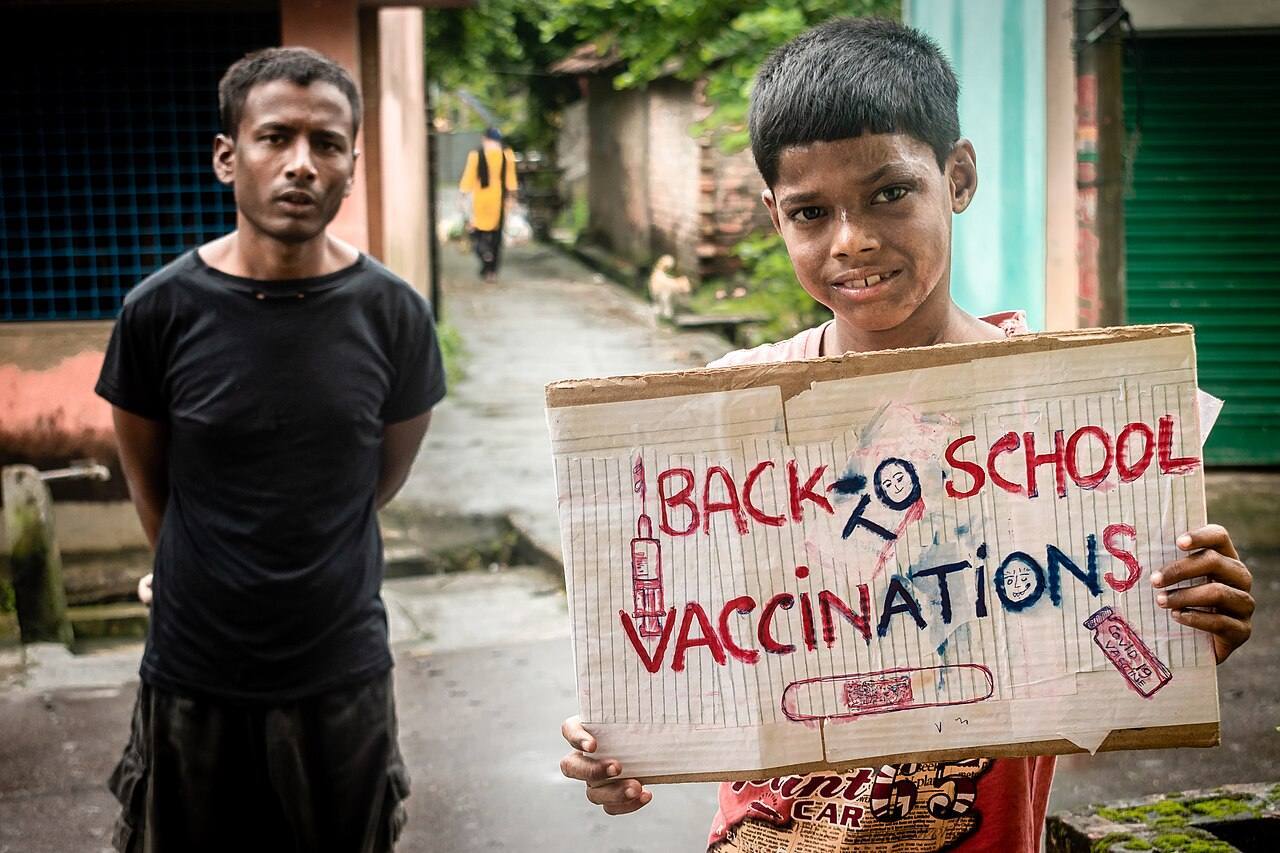
Political Rhetoric vs. Nutritional Science
The left has increasingly pushed for expansive governmental interventions aimed at regulating food options in schools. Advocates for these policies argue that a top-down approach is needed to combat rising obesity rates among children, claiming that only through stringent regulations can we ensure access to healthy food. However, this perspective can lead to a one-size-fits-all mentality that may not account for regional dietary needs or cultural preferences.

On the other hand, the right counterargues that parental choice and market forces should dictate what kids eat. They contend that government overreach stifles innovation and entrepreneurship in the food sector. This perspective, while highlighting the importance of family autonomy, often neglects the realities faced by low-income families who may not have the same access to healthy food options.

"In the battle over childhood nutrition, both extremes fail to understand the importance of a balanced approach."
The Impact of Policy on Nutrition
As new policies emerge, it's crucial to examine their actual impact on children's diets. Recent studies suggest that while regulations can lead to improved availability of fruits and vegetables in schools, they do not automatically translate to better eating habits among children. Many students still opt for less nutritious options, showing that simply providing healthy food does not guarantee its consumption.
Moreover, overregulation can lead to unintended consequences, such as the reduction of variety in school lunches, which may cause children to reject healthy options altogether. A focus on compliance over education can stifle critical conversations about nutrition at home and in schools.
Understanding Food Choices
To truly address childhood nutrition, we must explore the underlying factors that shape food choices. Cultural influences, family habits, and even marketing strategies play significant roles in what children eat. Both sides of the political aisle often overlook these complexities in favor of simplistic solutions.
For example, educational initiatives aimed at teaching kids about nutrition and cooking can foster lifelong healthy habits. When children understand the importance of what they eat, they are more likely to make better choices, regardless of the regulatory environment. This approach requires a cooperative effort from parents, schools, and communities, rather than an adversarial political stance.
The Role of Education in Nutrition
Educational programs that engage children in hands-on experiences, such as gardening or cooking classes, can have a lasting impact on their relationship with food. These initiatives can teach kids not just what to eat, but why it matters. They offer a way to bridge the gap between policy and personal choice, creating empowered consumers who are more likely to advocate for their own nutritional needs.
Moreover, such programs can help children learn about sustainability and the importance of local food systems, encouraging them to appreciate the origins of their meals. This holistic approach is often lost in the polarized debates that dominate the conversation around childhood nutrition.
A Call for Balanced Solutions
As we move forward, it is essential to foster dialogue that transcends partisan divides. Both sides have valid concerns, but the solutions must be nuanced. It is not about choosing between government intervention and parental choice; it is about finding a middle ground that promotes healthy eating while respecting individual freedoms.
Creating a comprehensive framework that includes educational initiatives, community involvement, and sensible regulations may pave the way for a more effective approach to childhood nutrition. By prioritizing collaboration over conflict, we can ensure that the next generation of children has the tools they need to make informed dietary choices.
Conclusion
In this week of heated discussions surrounding childhood nutrition, it is clear that both sides of the aisle have work to do. The focus must shift from ideological battles to collaborative solutions that recognize the complexity of food choices and the importance of education in shaping dietary habits. If we truly want to improve childhood nutrition, we must embrace a comprehensive strategy that unites rather than divides.
✦ ✦ ✦