From the file. Written for the paper dated January 2025. Opened in the public stacks July 14, 2026.
In the cacophony of political rhetoric surrounding border policy, the essential mechanics often get lost. As the new year unfolds, it is imperative to sift through the noise and examine how policies are crafted, implemented, and, at times, convoluted by extremes from both sides of the aisle.
Understanding the Framework
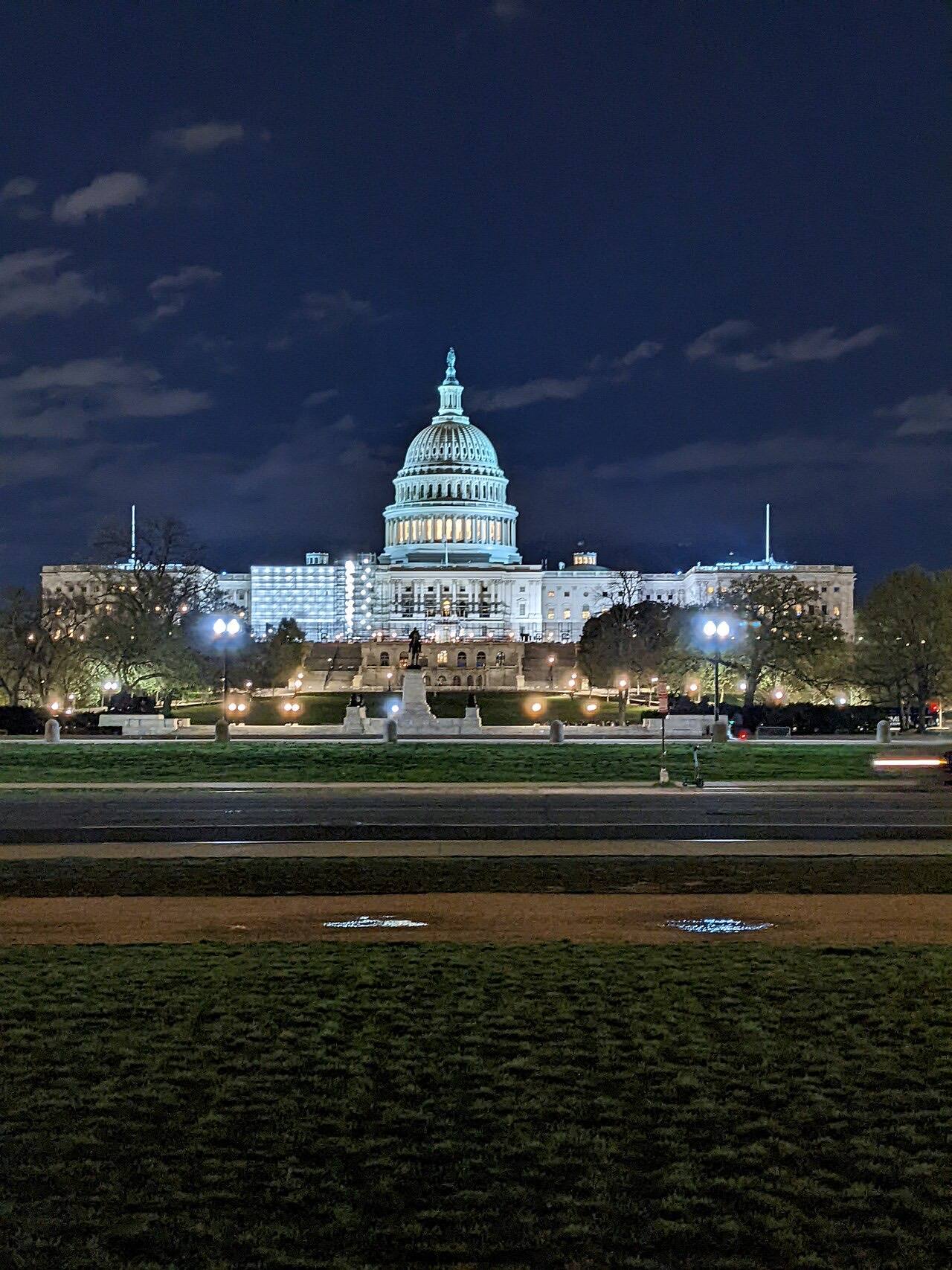
The United States has long grappled with the complexities of its borders, balancing national security, immigration reform, and humanitarian needs. This week, lawmakers convened to review existing policies, aiming to address the ongoing challenges without losing sight of the human element involved. Yet, both the left and right seem trapped in their respective echo chambers, where ideological purity often overrides pragmatic solutions.
Left and Right Extremes
On the left, there is a push for policies that prioritize compassion over enforcement, advocating for a broad pathway to citizenship and protections for undocumented immigrants. While the intent is noble, the absence of robust enforcement mechanisms can lead to unintended consequences, including increased illegal crossings and strain on local resources. This idealism can cloud the practical realities of managing a complex border situation.

Conversely, the right has taken a more hardline stance, focusing on strict enforcement and heightened security measures. The call for building walls and deploying more agents may resonate with certain voter bases, but it often overlooks the nuances required to address the root causes of migration, such as violence and poverty in home countries. This approach can foster division and fear rather than constructive dialogue.
“The solutions to our border issues lie not in extremes, but in a balanced approach that respects human dignity while ensuring security.”
The Politics of Compromise
As discussions unfold, it is crucial to recognize the need for compromise. Recent bipartisan efforts have aimed to address issues like visa backlogs and asylum processing times, highlighting that cooperation is possible. However, these negotiations often stall when partisan politics intrude, with both sides unwilling to budge on key issues.
For instance, while Democrats might propose increased funding for humanitarian aid at the border, Republicans may counter with demands for stricter enforcement measures. This tug-of-war not only delays progress but also breeds frustration among constituents who are eager for tangible solutions.
Impacts of Policy Decisions
The effects of policy decisions extend far beyond the legislative chambers. Local communities along the border are often the first to feel the impact of policy shifts. Increased border enforcement can lead to heightened tensions, while lax policies may result in overcrowded shelters and strained public services. It is vital that policymakers consider these local repercussions when crafting their approaches.
Moving Forward
As January progresses, the question remains: How can the United States find a balanced approach to border policy? Solutions will require both sides to step away from extremes and engage in genuine dialogue focused on practical outcomes. The challenge is daunting, but the stakes are too high to ignore the human element in the mechanics of border policy.
As we enter 2025, the narrative surrounding border policy must shift from one of division to one of collaboration. The mechanics behind the policy may be boring, but the implications are anything but. It is time for lawmakers to rise above the noise and work toward solutions that recognize the complexities of the issue while addressing the needs of the nation.
✦ ✦ ✦