From the file. Written for the paper dated December 2024. Opened in the public stacks July 14, 2026.
As the nation grapples with the ongoing impeachment process, it is crucial to assess the implications of prioritizing party loyalty over impartial investigation.

The Divisive Landscape of Impeachment
The impeachment process has become increasingly polarized, with both sides of the aisle seemingly more focused on the political implications than the merits of the evidence at hand. Democrats and Republicans have donned their team jerseys, but as the proceedings unfold, the question remains: Are we prioritizing identity politics over the truth?

On one hand, the Democrats argue that the evidence against the sitting president is overwhelming, citing numerous investigations and testimonies that paint a damning picture. They assert that this is not simply a partisan attack, but rather a necessary constitutional duty to hold the executive branch accountable for its actions. Yet, one cannot help but notice the underlying currents of partisan zeal that often overshadow the evidence being presented.
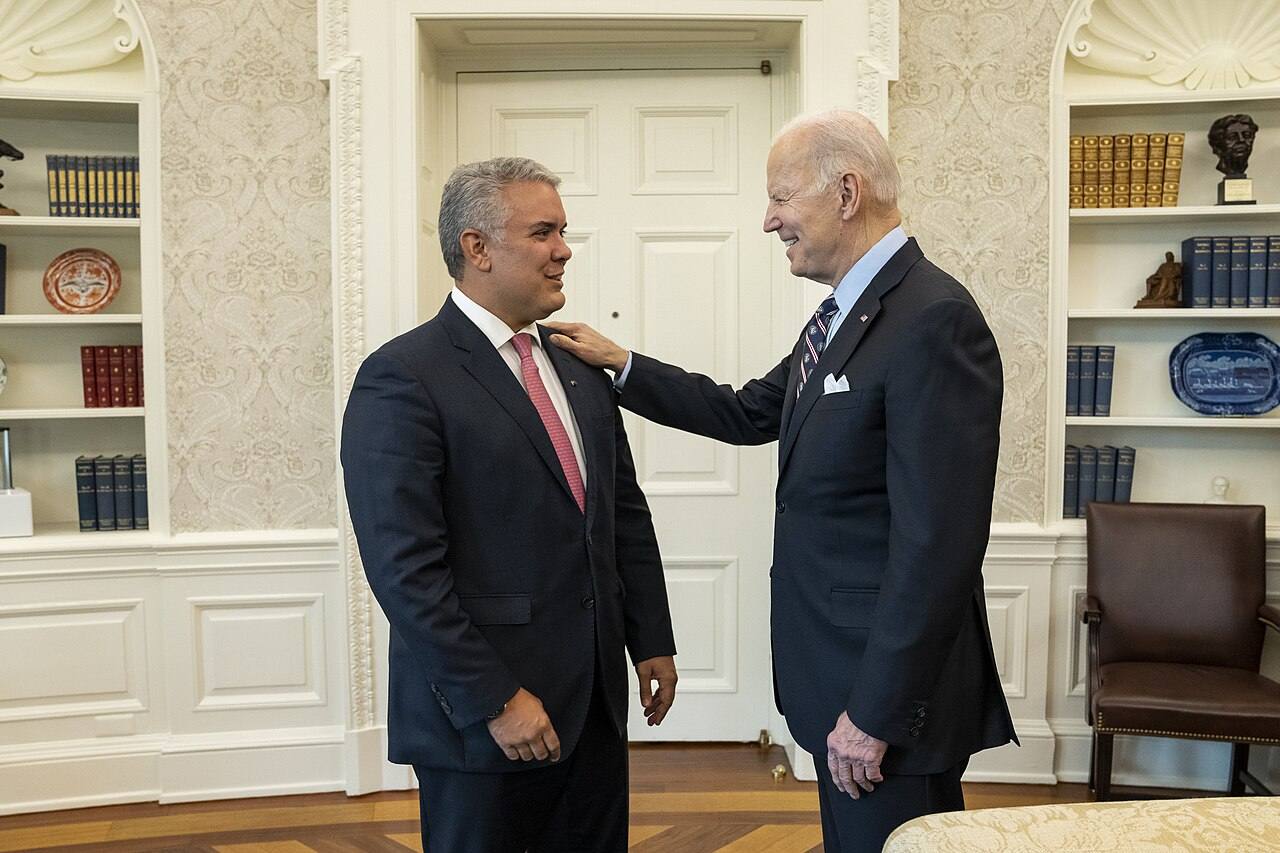
On the other side, Republicans decry the impeachment as a politically motivated witch hunt, claiming that the charges are fabricated or exaggerated. They rally their base around the idea that this is an attack on the presidency itself, invoking themes of victimhood and betrayal to galvanize support. However, this defensive posture often leads to the dismissal of legitimate concerns and evidence that should be scrutinized without bias.

“In the current climate, it feels as though evidence has taken a backseat to party allegiance.”
The Evidence vs. Identity Politics
As the impeachment hearings progress, it is essential to focus on the evidence being presented rather than the identities of those involved. Witnesses and whistleblowers should be evaluated on the credibility of their testimonies rather than their political affiliations. Yet, increasingly, we see individuals dismissed simply because they belong to the opposing party or have been labeled as "establishment." This trend undermines the very foundation of our democratic system.
Furthermore, the media plays a significant role in shaping public perception of the impeachment process. Coverage often leans into sensationalism, amplifying partisan narratives rather than providing a balanced analysis of the facts. This has contributed to a public that is more inclined to view the impeachment through a partisan lens, further complicating the pursuit of truth.
Consequences of Partisan Excess
The consequences of this partisan excess are far-reaching. For one, a divided Congress may fail to take the necessary steps to ensure accountability, leading to a lack of trust in our institutions. The public may become disillusioned, viewing the impeachment process as just another political game rather than a serious constitutional mechanism meant to protect democracy.
Moreover, both parties risk alienating moderate voters who are seeking a more centrist approach to governance. Many Americans are tired of the extreme rhetoric and the inability of elected officials to engage in civil discourse. A focus on evidence and accountability could provide a pathway to re-establishing trust in the political process.
Moving Forward: A Call for Impartiality
As the impeachment process continues, it is crucial for all parties involved to prioritize the facts over their identities. Lawmakers must rise above the fray and engage in constructive debate, focusing on the evidence rather than party loyalty. The American public deserves transparency and accountability, not the political theater that has become synonymous with impeachment proceedings.
Ultimately, the success of this process hinges on the willingness of both sides to put the nation before their party. It is time to shed the team jerseys and approach the impeachment process with the seriousness it demands. Only then can we foster a culture of accountability and restore faith in our democratic institutions.
✦ ✦ ✦