From the file. Written for the paper dated November 2024. Opened in the public stacks July 14, 2026.
In an era marked by misinformation and polarized narratives, the delicate balance between public claims and factual records becomes more critical than ever. The current political climate demands a careful examination of how rumors shape our understanding of the republic.

The Perils of Polarization
The United States is standing at a crossroads where public discourse is increasingly colored by extremes. On one side, we have a faction that insists on unwavering loyalty to a political agenda, often dismissing any counter-evidence as mere fabrications. On the other, a group that thrives on sensationalism, frequently amplifying unverified claims for the sake of stirring outrage. Both sides contribute to an atmosphere where facts are secondary to narratives, and the truth becomes a casualty.

Claims versus Evidence
The power of public claims cannot be underestimated. They shape perceptions, influence voter behavior, and can sway even the most steadfast opinions. However, when these claims are not grounded in evidence, they warp the public’s understanding of reality. Take, for example, the recent allegations surrounding governmental transparency. While transparency is essential in any democracy, the claims made by some political leaders have often gone unchecked, leading to a belief that the government is operating behind closed doors. Yet, when we examine the records, we find instances of significant transparency efforts that are conveniently overlooked.
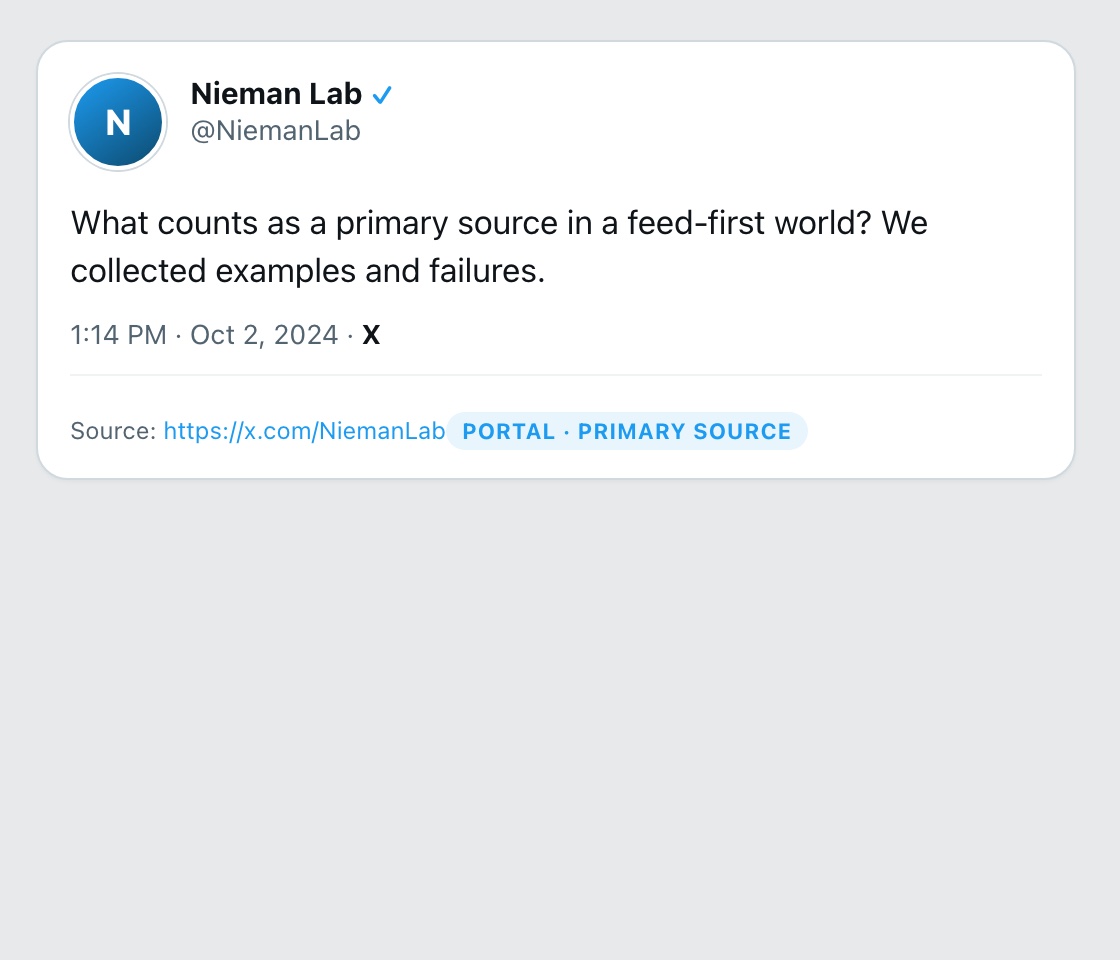
"Facts are not merely artifacts to be displayed; they are the foundation upon which the republic stands."
The Role of Media
In this tumultuous landscape, media plays a dual role. On one hand, it serves as a watchdog, holding those in power accountable and keeping the public informed. On the other, it can become a megaphone for unfounded claims, especially when sensational headlines drive clicks. Journalistic integrity must be at the forefront, with a commitment to verifying information before disseminating it to the public. Yet, as we have seen in recent months, the rush to publish often trumps the diligence of fact-checking.
The Impact of Echo Chambers
Social and traditional media platforms have birthed echo chambers that reinforce existing beliefs rather than challenge them. Individuals consume news that aligns with their views, amplifying claims that fit their narrative while dismissing opposing evidence. This creates a cycle of misinformation where public claims flourish unchecked. The responsibility lies not only with the media but also with consumers of news to seek diverse perspectives and critically evaluate the information presented to them.
The Consequences of Misinformation
The ramifications of unchecked rumors can be severe. When public claims are accepted without scrutiny, they can lead to misguided policies and social unrest. The recent debates over healthcare, for instance, have been marred by misinformation that paints one side as entirely benevolent and the other as wholly corrupt. Such black-and-white thinking stifles meaningful discourse and inhibits the pursuit of solutions that benefit the greater good.

A Call for Critical Engagement
As citizens, we must engage critically with the claims made by our leaders and the narratives perpetuated in the media. This means demanding transparency and accountability from those in power while also holding ourselves accountable for the information we choose to believe and share. It is not enough to simply reject the claims of one side; we must also scrutinize the narratives we support. Only through this rigorous engagement can we hope to foster a more informed electorate.
Bridging the Divide
Finding common ground in a divided society is no easy feat, but it is essential for a functioning democracy. Encouraging dialogue between opposing viewpoints can help break down the walls of misunderstanding and mistrust. It is crucial for individuals to engage with ideas that challenge their beliefs and to approach discussions with an open mind. Only through mutual respect and a willingness to listen can we bridge the divide that currently plagues our republic.
The Path Forward
In conclusion, the relationship between public claims and the record is fraught with challenges. Both sides of the political spectrum must confront their respective excesses and recognize the importance of grounding discussions in reality. As citizens, we bear the responsibility of fostering a culture of inquiry and accountability. In this way, we can help ensure that our republic remains strong and resilient, built on a foundation of truth rather than rumor.
✦ ✦ ✦