From the file. Written for the paper dated November 2024. Opened in the public stacks July 14, 2026.
As the world continues to grapple with the ramifications of the COVID-19 pandemic, questions surrounding pandemic readiness have taken center stage. The contrast between public claims made by government officials and the stark realities highlighted by recent events raises critical concerns about our preparedness for future health crises.

Promises Made, Promises Broken
In the aftermath of COVID-19, many leaders touted the improvements made in pandemic readiness. From increased funding for health agencies to new emergency protocols, the narrative suggested a robust system capable of handling future outbreaks. However, a closer examination reveals that many of these claims may be more aspirational than actual.
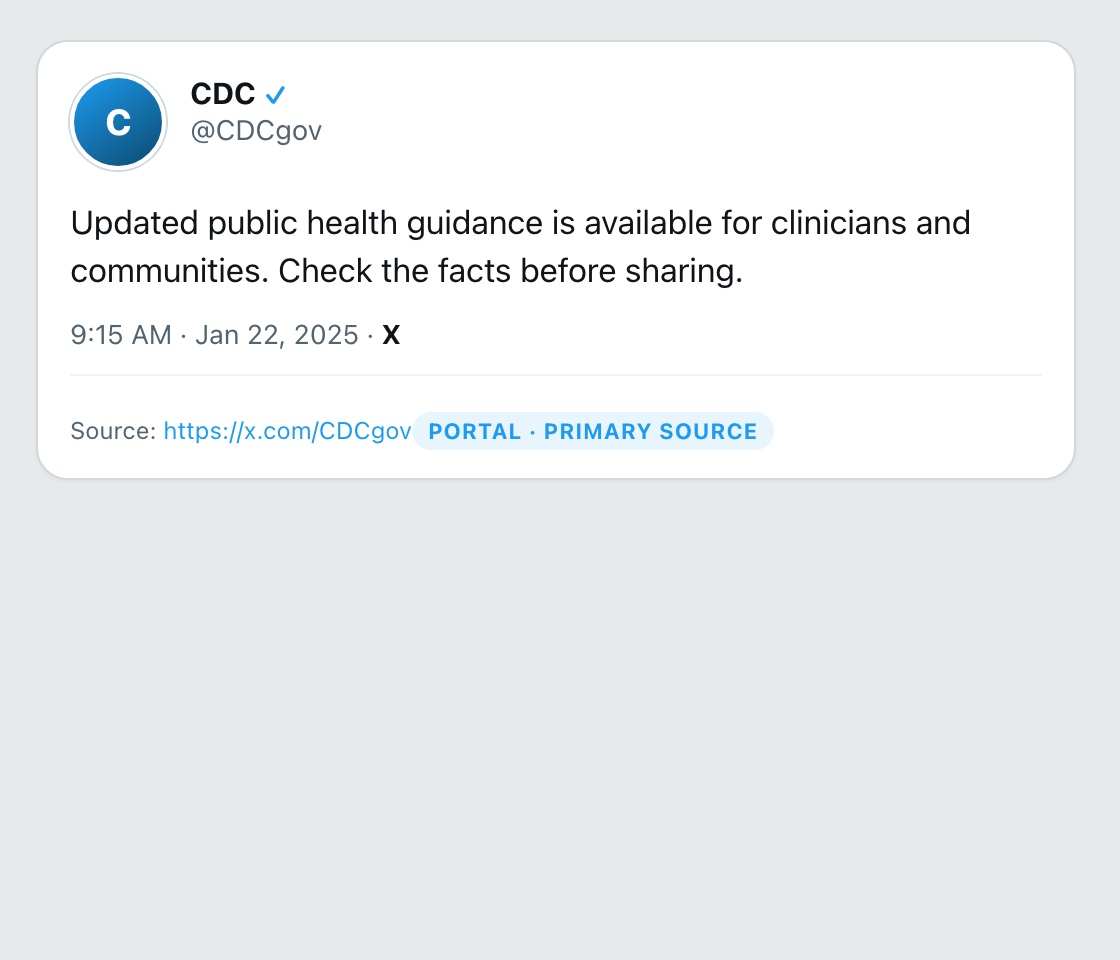
For instance, in numerous public addresses, federal and state officials emphasized the establishment of advanced surveillance systems designed to detect outbreaks before they spiral out of control. Yet, reports indicate that many existing systems remain underfunded and fragmented. Local health departments often struggle to communicate with one another, leading to delays in response times. A lack of cohesive strategy has rendered these systems less effective than promised.

“We are now better prepared than ever for the next pandemic,” claimed one government official. Yet the evidence suggests otherwise.
The Reality on the Ground
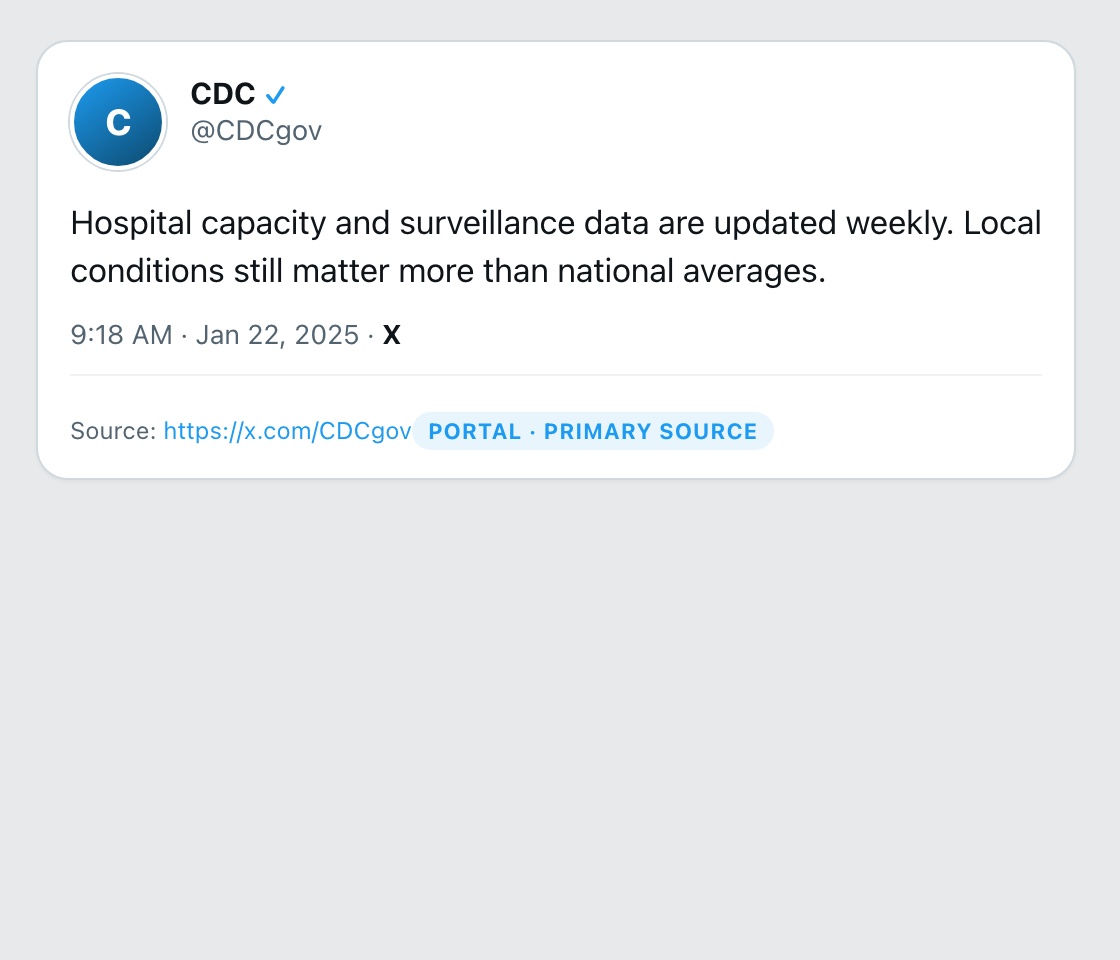
While officials paint a picture of a fortified health infrastructure, frontline workers tell a different story. During the recent surge in respiratory illnesses, hospitals were inundated, revealing gaps in staffing and supplies. Health workers reported significant shortages in personal protective equipment and other essential resources, undermining claims of enhanced readiness.
Moreover, the public’s trust in health institutions has waned, fueled by misinformation and inconsistent messaging. As officials rushed to promote vaccines, mixed signals regarding efficacy and safety have left many citizens apprehensive. This distrust complicates the prospect of a coordinated response to future health crises.
Unpacking the Political Divide
Amidst these challenges, both sides of the political spectrum have been quick to seize the narrative. On the left, advocates argue for increased funding and a more centralized approach to public health, calling for an overhaul of existing systems. They cite the need for universal health coverage and equitable access to resources as essential components of a successful pandemic response.
Conversely, the right often emphasizes personal responsibility and the need to limit government intervention. Critics of large-scale public health measures argue that excessive restrictions can lead to economic turmoil and infringe on individual freedoms. While their concerns merit consideration, the dismissive attitude towards structured pandemic preparedness can undermine collective action vital for public health.
Lessons to Learn
The lessons learned from COVID-19 should propel us toward a more comprehensive understanding of pandemic readiness. It is clear that rhetoric alone is insufficient; tangible actions must follow promises. This involves not only investing in technologies and systems but also fostering collaboration between government entities, healthcare providers, and the public.
Furthermore, addressing the disparities in healthcare access is paramount. Communities that were disproportionately affected by COVID-19 require targeted support to ensure they are not left vulnerable in future crises. A one-size-fits-all approach will not suffice; instead, tailored strategies that account for local needs and resources are essential.
Finding Common Ground
As we navigate this complex landscape, it is crucial to find common ground between the two sides of the political spectrum. Collaboration is key to addressing the multifaceted challenges of pandemic preparedness. While the left advocates for more robust government involvement, the right's emphasis on personal responsibility can foster community engagement. By working together, a balanced approach to health policy can emerge, enhancing our collective resilience.
The stakes are high; the world cannot afford to repeat past mistakes. The pandemic has served as a wake-up call, and it is imperative that we respond decisively. Bridging the gap between public claims and actual preparedness will require commitment, transparency, and a willingness to learn from our experiences.
✦ ✦ ✦