From the file. Written for the paper dated November 2024. Opened in the public stacks July 14, 2026.
As the nation grapples with ongoing health crises, the discrepancy between public claims made by officials and the actual record of epidemic response has never been more pronounced.
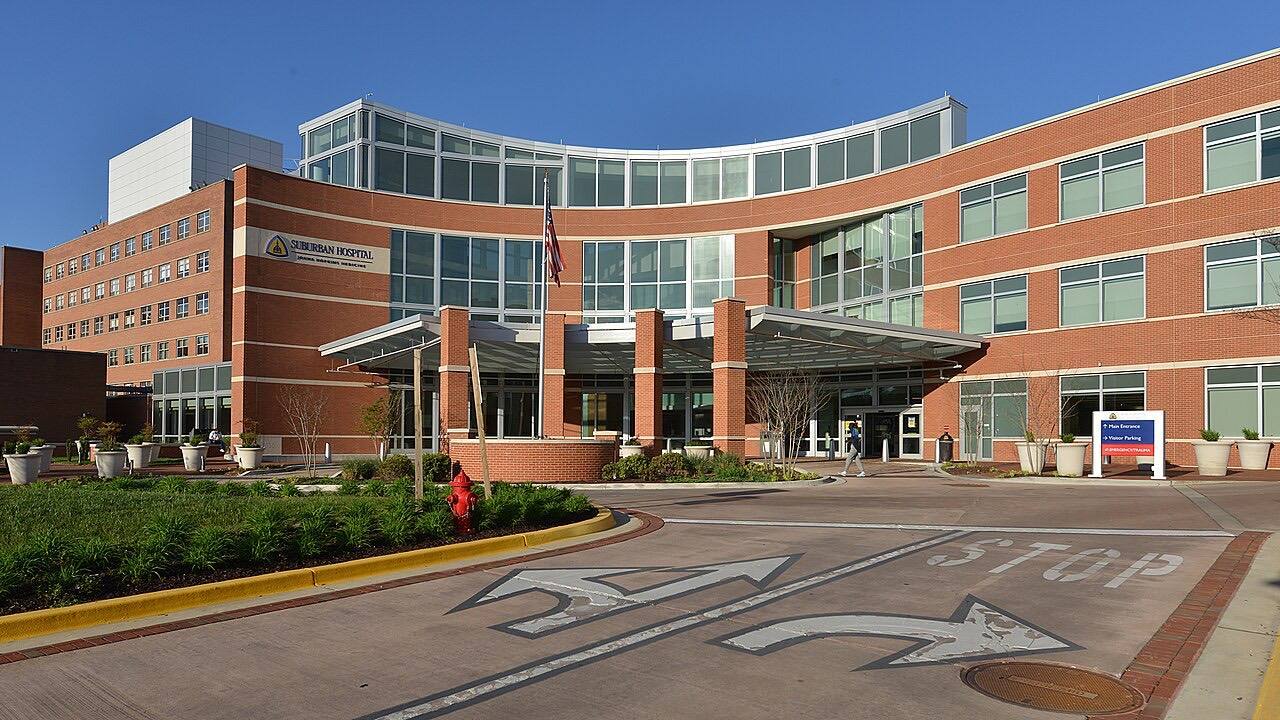
Claims of Preparedness
In recent months, federal and state officials have made sweeping statements about the nation’s preparedness for health emergencies. From vaccine distribution to healthcare infrastructure, the narrative paints a picture of a robust system ready to tackle any outbreak. Yet, reports and testimonies from healthcare workers and public health officials reveal a different story - one of underpreparedness and missed opportunities.
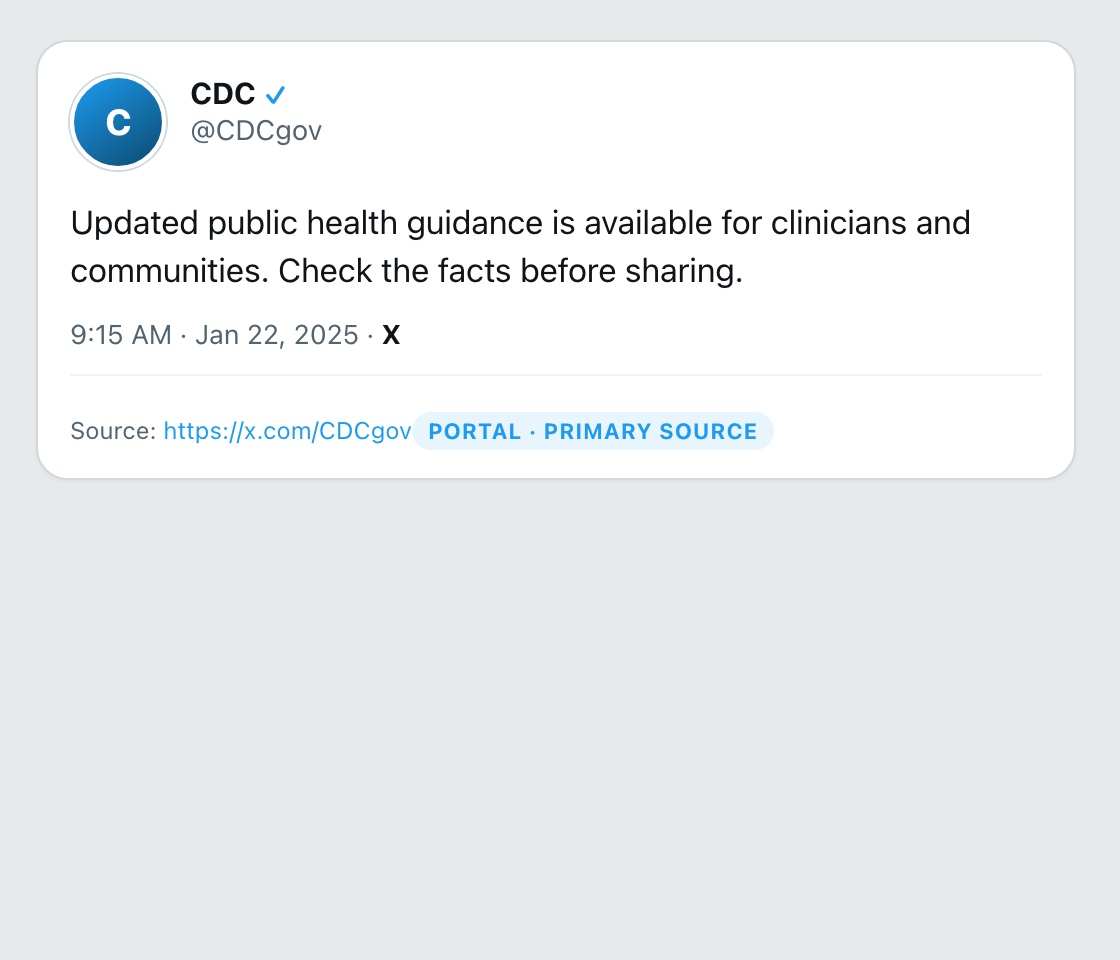
The Reality on the Ground
While officials boast about strategic stockpiles of personal protective equipment and rapid response teams, many hospitals are still struggling to maintain adequate supplies. A visit to several community health facilities shows a stark contrast to the optimistic proclamations. Health workers report shortages of basic supplies and difficulties in accessing timely information about emerging threats. These gaps raise questions about the validity of claims made at the highest levels of government.
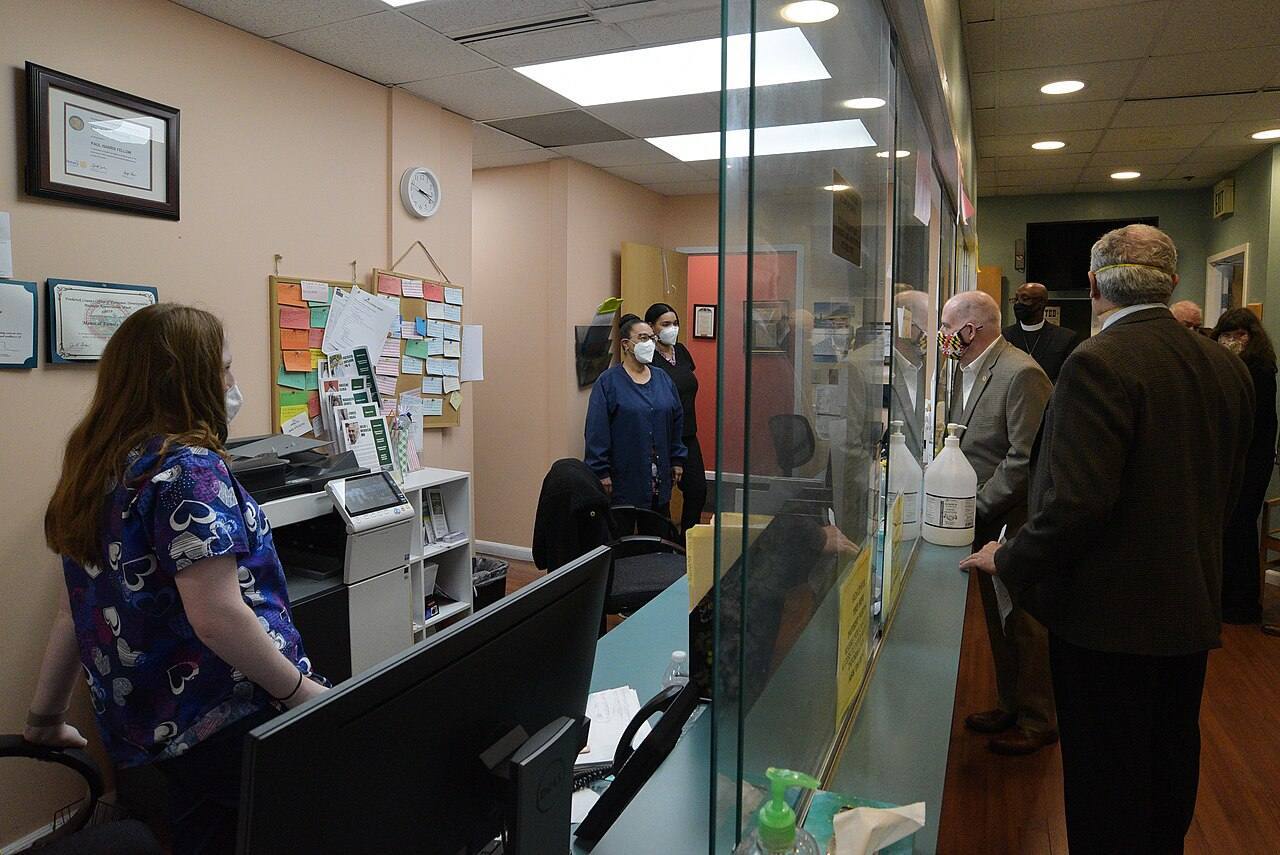
"We are ready for any health crisis that comes our way," officials say, but the reality often tells a different story.
Political Finger-Pointing
On both sides of the aisle, political leaders have taken to the spotlight, each blaming the other for perceived failures in epidemic management. Republicans criticize the Biden administration for what they call a lack of decisive action, while Democrats point to budget cuts and policy changes made during prior administrations as contributing factors. This blame game distracts from the real issues at hand - namely, the need for comprehensive reform and a united approach to public health.
The Consequences of Division
The polarization surrounding health policy has had dire consequences for epidemic response. Public trust in health institutions has eroded, leading many to dismiss credible information. Misinformation spreads quickly in an environment where partisan narratives dominate, making it increasingly difficult for public health officials to communicate effectively with the very communities they aim to protect.
A Call for Accountability
As we move into a new phase of epidemic response, it is imperative that leaders on both sides prioritize accountability over partisan agendas. The American public deserves transparency regarding the state of the nation’s health preparedness. A comprehensive review of past responses, including what worked and what did not, is essential to build a better system moving forward.
Lessons from the Past
History has shown us that the best responses to public health crises stem from collaboration among federal, state, and local governments. In recent years, however, we have seen a retreat from such collaboration. Instead of pooling resources and knowledge, political divisions have led to fragmented responses that leave many communities vulnerable.
Moving Forward
To effectively respond to future health emergencies, we must foster an environment of collaboration. Public health officials need the support of lawmakers to ensure they have the resources and authority necessary to act swiftly in times of crisis. Additionally, the establishment of nonpartisan panels to evaluate public health responses could help bridge the divide and focus on solutions rather than blame.
Conclusion
The ongoing epidemic response highlights a critical need for both sides of the political spectrum to recognize the importance of unity in addressing public health. As we continue to navigate the challenges posed by infectious diseases, the focus must shift from political rhetoric to actionable solutions that prioritize the health and safety of all Americans.
✦ ✦ ✦