From the file. Written for the paper dated November 2024. Opened in the public stacks July 14, 2026.
As calls for civil service reform grow louder in the current political climate, it is essential to scrutinize the gap between public claims and the reality facing our bureaucratic institutions.
Promises Made, Promises Broken
Over the past year, leaders from both political parties have made sweeping promises to overhaul the civil service system, pledging to enhance efficiency and accountability. Yet, as we delve into the record, the disparity between rhetoric and reality becomes glaringly apparent.

The left has championed comprehensive reforms aimed at increasing transparency and reducing bureaucratic red tape. Advocates argue that a streamlined civil service is key to restoring public trust in government institutions. However, many of these proposals have either stalled in Congress or have been diluted beyond recognition in the legislative process. For every ambitious bill put forth, there seems to be a counter-effort to weaken its provisions, often under the guise of fiscal responsibility.

On the other side, the right has focused on accusations of government inefficiency, calling for draconian measures to cut down on what they label as wasteful spending. While there is merit to examining the efficiency of government programs, the approach has often resorted to scapegoating public servants rather than addressing systemic issues. The result has been a climate of fear and uncertainty within the civil service, where experienced professionals are leaving in droves, disillusioned by the political theatrics surrounding their work.
Data versus Anecdotes
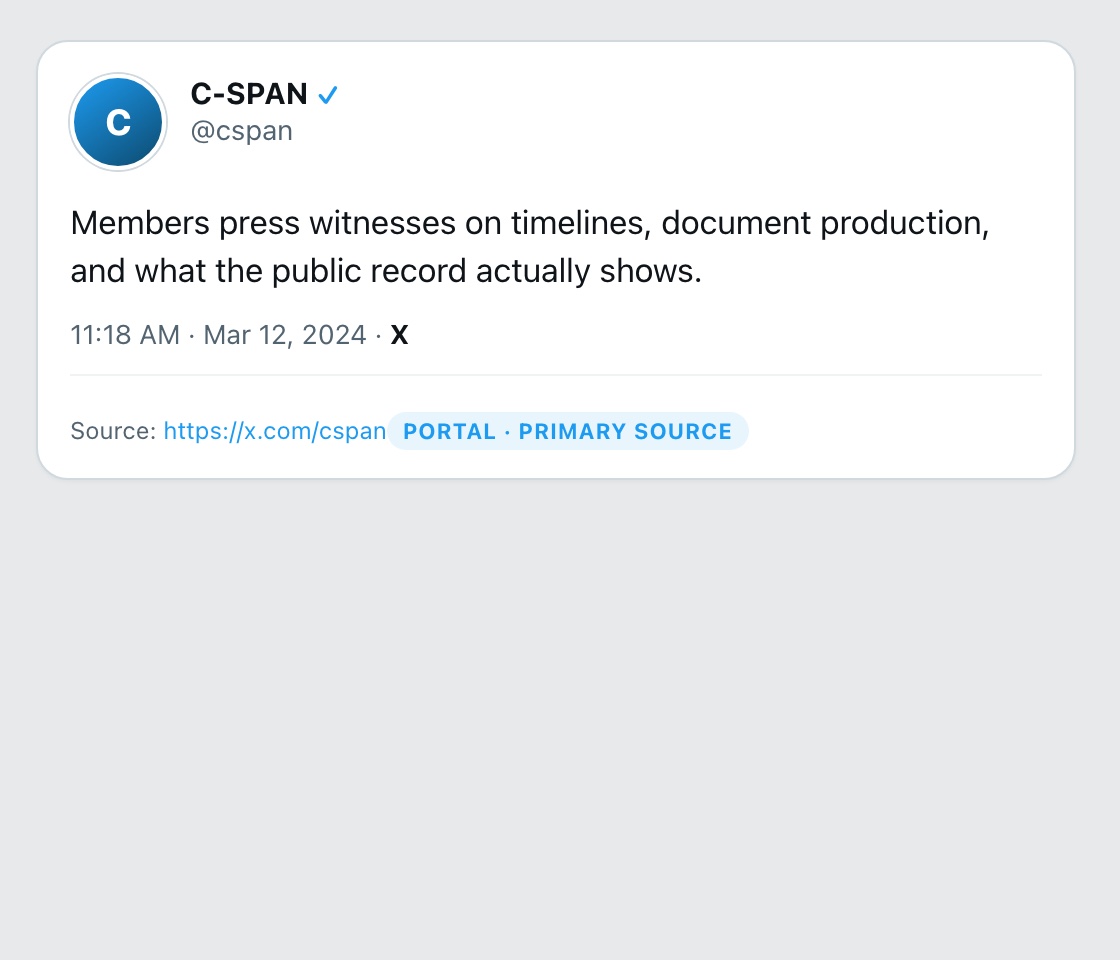
Both sides appear to be relying heavily on anecdotal evidence to support their claims. Progressives cite stories of government workers who have gone above and beyond to serve the public, only to be hamstrung by outdated systems. Conversely, conservatives share tales of misallocated funds and bureaucratic inefficiencies that paint an alarmingly negative portrait of public sector workers.
"The focus should be on data-driven solutions rather than emotional narratives that serve political agendas."
Yet, where is the comprehensive data to back up these claims? A rigorous analysis of civil service performance metrics is sorely needed, but the ongoing political bickering has stifled meaningful conversations about the facts. Instead, we are left with an unproductive cycle of blame, where neither side is willing to acknowledge the complexity of the issues at hand.

Public Perception and Political Strategy
Public opinion on civil service reform is equally polarized. Many citizens express frustration with perceived inefficiency, yet they also recognize the importance of a well-functioning civil service in upholding democratic values. This dichotomy has opened a window for both parties to exploit public sentiment to their advantage.
Left-leaning politicians have pushed narratives that emphasize the importance of honoring public servants and investing in the civil service to ensure it can meet the needs of an evolving society. However, the focus on investing in the workforce often gets overshadowed by calls for immediate and drastic cuts to government spending, leaving many citizens confused about what true reform looks like.
On the right, the emphasis on slashing budgets and privatizing services has been framed as a necessary step to eliminate waste, yet this approach often overlooks the critical role that experienced civil servants play in maintaining stability and continuity in government functions.
A Call for Genuine Reform
As the debate around civil service reform heats up, it is crucial to shift the conversation from partisan rhetoric to genuine solutions that prioritize the effectiveness of our government. Both parties must recognize that meaningful reform requires a commitment to investing in the civil service while also holding it accountable through transparent metrics and oversight.
Instead of focusing on dismantling the system, political leaders should be advocating for comprehensive training programs that enhance the skills of public servants, empowering them to navigate the complexities of modern governance. Additionally, efforts to modernize outdated bureaucratic processes should be prioritized, ensuring that public servants have the tools they need to succeed.
As we move forward, it is essential for both the left and right to acknowledge that civil service reform is not merely a political tool but a necessary evolution to preserve the integrity of our government. Only through collaboration and a commitment to the public good can we hope to achieve a civil service that meets the needs of all citizens.
✦ ✦ ✦