From the file. Written for the paper dated October 2024. Opened in the public stacks July 14, 2026.
In a political landscape increasingly defined by polarization, the ability to engage with primary sources has become a litmus test of intellectual integrity. Yet, as we read these foundational texts, we must resist the temptation to don ideological team jerseys.

The Importance of Primary Sources
Primary sources - documents, speeches, and firsthand accounts - offer invaluable insights into the motivations and contexts of historical events. They allow us to engage directly with the ideas that have shaped our society without the filter of interpretation. However, navigating these materials in today’s climate is fraught with challenges. Institutions that curate and disseminate information often prioritize their own narratives, shaping the way we perceive these foundational texts.

On one hand, we have institutions that champion progressive values, sometimes at the expense of historical accuracy. In their quest for social justice, they may sanitize or reinterpret primary materials to fit contemporary moral frameworks. This practice can undermine the complexity of history and lead to a version of events that feels more like propaganda than scholarship.

Conversely, we see conservative institutions that cling to a more traditionalist interpretation of primary sources, often romanticizing the past while ignoring its flaws. In doing so, they risk fostering a selective memory that glosses over the inequities and injustices that have existed throughout history. This selective approach can create a false narrative that serves their ideological ends, compelling readers to accept a version of history that is more convenient than accurate.
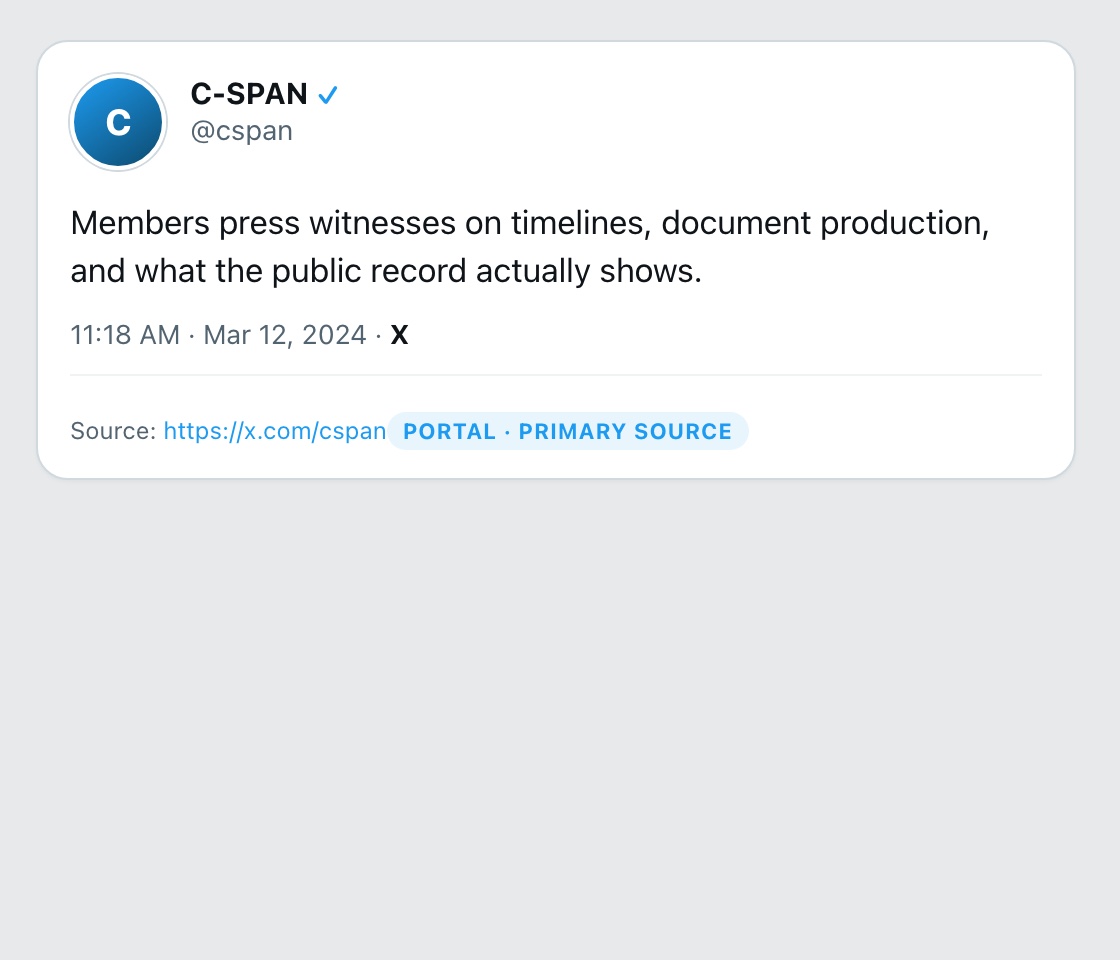
Institutional Protections and Their Consequences
Both sides of the political spectrum wield primary sources as weapons in their ideological battles. Institutions protect themselves by framing their narratives, often leading to a skewed presentation of facts. This self-protective mechanism can result in a dangerous cycle where individuals are encouraged to consume information that aligns with their beliefs, rather than challenging their assumptions.
For example, an academic institution might emphasize the contributions of certain historical figures while downplaying or omitting others whose legacies complicate the narrative. A museum may curate an exhibit that highlights the triumphs of a particular social movement while neglecting the voices of dissenting factions within that movement. In both instances, the integrity of primary sources is compromised, as they are selectively employed to reinforce a predetermined narrative.

“To truly understand history, we must resist the impulse to cherry-pick sources that confirm our biases.”
When institutions prioritize their narratives, they inadvertently contribute to a broader culture of distrust. Audiences may begin to view all information through a lens of skepticism, questioning the motives behind every curated collection or scholarly article. This skepticism is not entirely unfounded; the politicization of history can lead to a fragmented understanding of our past, where competing narratives leave us more confused than enlightened.
The Role of Critical Thinking
Engaging with primary sources requires a commitment to critical thinking. Readers must approach these materials with an open mind, ready to confront uncomfortable truths rather than seeking confirmation of their beliefs. This means examining the context in which a document was created, considering the author's perspective, and recognizing the limitations of any single source.
Moreover, readers should be encouraged to seek out diverse sources of information. Engaging with primary sources from various viewpoints can illuminate the complexities of historical narratives and foster a more nuanced understanding of events. The act of reading broadly not only enriches our knowledge but also cultivates empathy for perspectives that may initially seem foreign or disagreeable.
Finding a Middle Ground
The challenge before us is to find a middle ground in our engagement with primary sources. Both left and right wings of the political spectrum must grapple with their tendencies to politicize history. This moment in time calls for a collective effort to prioritize truth over ideology. By doing so, we can cultivate a richer, more authentic understanding of our past.
Ultimately, the responsibility lies with each of us as consumers of information. We must hold institutions accountable for their presentations of primary sources, demanding transparency and rigor in their curation processes. At the same time, we must commit ourselves to reading critically and expansively, embracing the complexity of historical narratives rather than shying away from them.
As we navigate the turbulent waters of contemporary politics, let us remember that primary sources are not mere artifacts to be wielded for ideological battles. They are windows into the human experience, offering lessons that can guide us as we shape our future. Only by transcending our team jerseys can we hope to grasp the intricate tapestry of history in all its richness.
✦ ✦ ✦