From the file. Written for the paper dated September 2024. Opened in the public stacks July 14, 2026.
As the threat of solar storms looms larger on the scientific horizon, both political factions are grappling with how to respond. The stakes are high, and the incentives are equally compelling for both sides of the aisle.
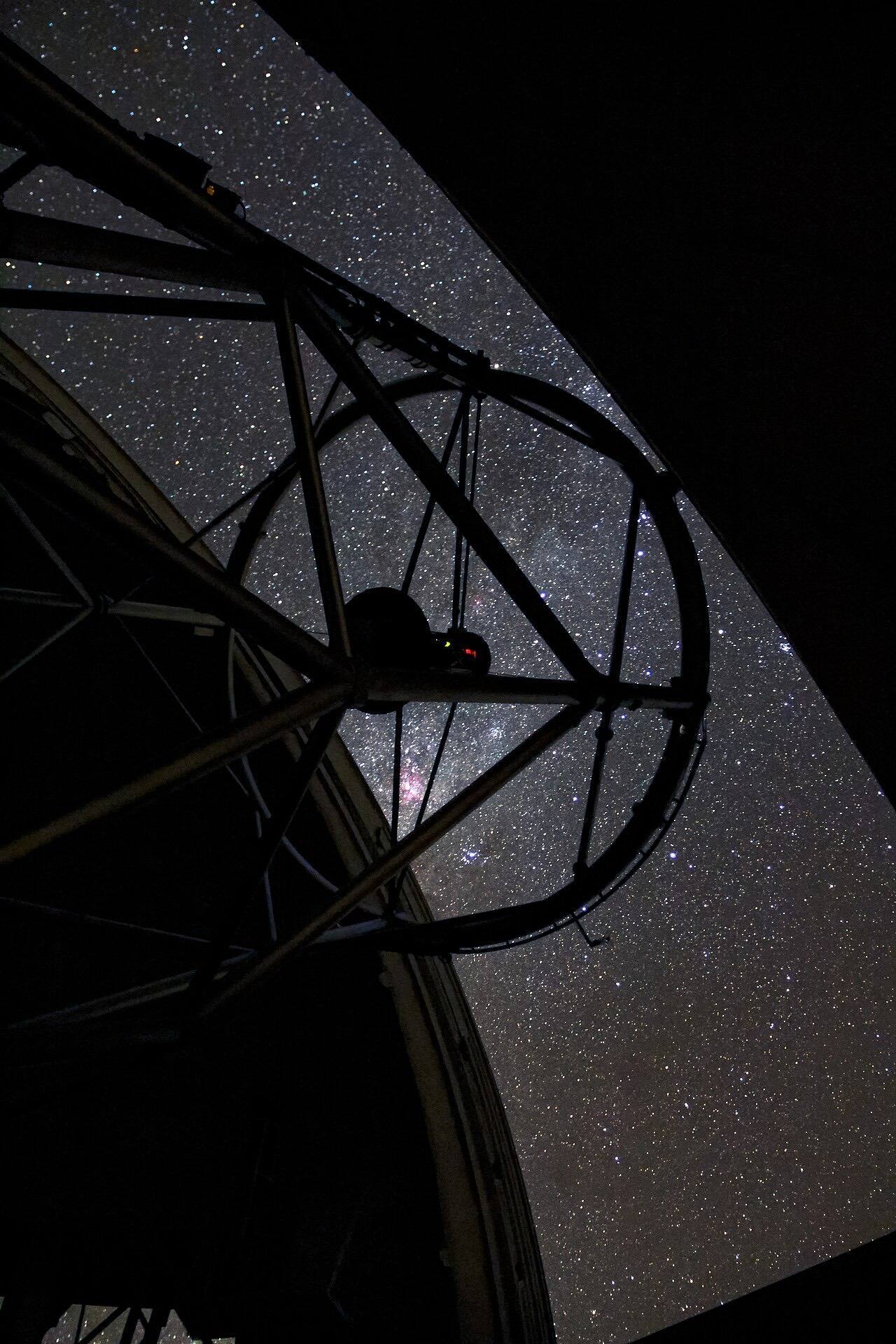
Understanding Solar Storms
Solar storms, caused by eruptions on the sun's surface, can unleash waves of charged particles that disrupt Earth's magnetic field. These events can wreak havoc on satellite communications, power grids, and even airline travel. In recent years, scientists have warned that the frequency and intensity of these storms are increasing, prompting a renewed focus on preparedness.
The Left's Emphasis on Infrastructure and Climate Resilience
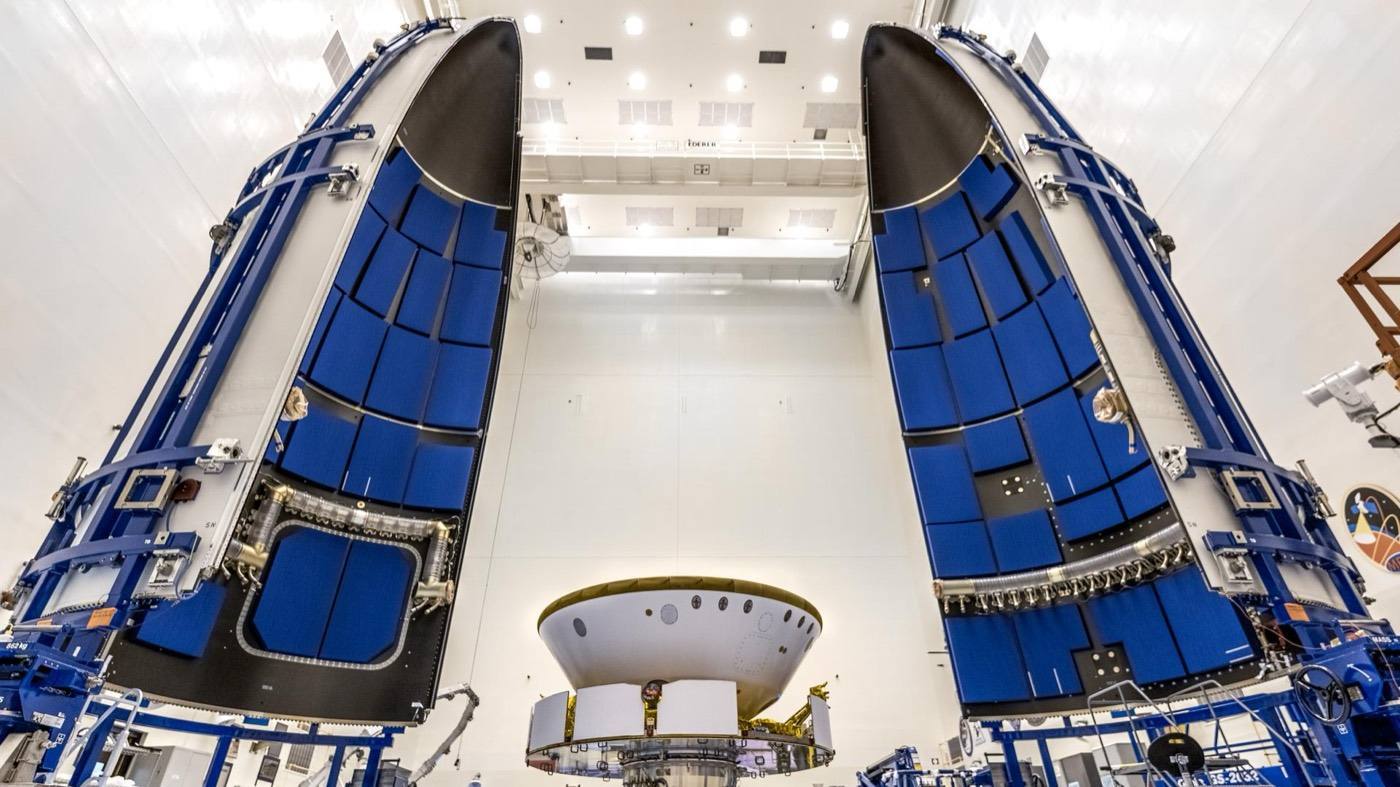
On the left, there is a growing call for investment in infrastructure that can withstand the impacts of solar storms. Advocates argue that bolstering the electrical grid and enhancing satellite technology are not just matters of national security but also of climate resilience. They believe that by investing in renewable energy sources and updating outdated infrastructure, the country can better prepare for the unforeseen consequences of solar activity.
"We cannot afford to wait for the next solar storm to hit; proactive measures are essential for safeguarding our technology and environment."
Proponents of this approach emphasize the need for collaborative efforts between government and private sector players. They argue that the transition to a more resilient electrical grid can drive job creation while simultaneously addressing climate change. However, critics from the right question whether such measures are overreaching and whether they could lead to unnecessary government intervention.
The Right's Focus on Private Sector Solutions
Conversely, the right has been more inclined to view solar storm preparedness through the lens of market solutions. Many conservative leaders advocate for private sector innovation as the primary driver for advancements in technology that can mitigate the effects of solar storms. They argue that deregulation and tax incentives for companies willing to invest in research and development will yield faster and more efficient solutions compared to government-led initiatives.
"The market, not the government, is best suited to respond to the challenges posed by solar activity. Let entrepreneurs find the answers."
This perspective raises valid points regarding the efficiency of the private sector; however, it often overlooks the necessity of coordinated national strategies. Critics argue that an over-reliance on private entities can lead to inequities in preparedness, particularly for underfunded regions that may lack the resources to invest in robust infrastructure.
Striking a Balance: A Bipartisan Approach
As the conversation unfolds, the challenge lies in reconciling these two opposing views. A bipartisan approach that leverages the strengths of both government investment and private sector innovation may prove to be the most effective strategy. By fostering partnerships between public agencies and private companies, it is possible to create a comprehensive plan that addresses both immediate needs and long-term resilience.
Public Awareness and Education
Another critical aspect of this issue is public awareness. The general population often remains unaware of the potential dangers posed by solar storms, creating an additional layer of challenge for policymakers. Educating the public about the signs of solar activity and the importance of preparedness can amplify the efforts being made at the governmental and corporate levels.
"An informed public is essential for effective preparedness. We must not only invest in technology but also in education."
The Role of Science in Policy Making
As scientists continue to study solar activity and its potential impacts, their findings should play a central role in shaping policy. It is crucial for both sides of the political spectrum to recognize that scientific evidence should guide decisions rather than political ideologies. Collaborative efforts that prioritize scientific understanding can lead to more effective and timely responses to solar storm threats.
Conclusion
In the face of an increasingly unpredictable solar environment, the time for action is now. Both sides of the aisle must confront their respective excesses and embrace a balanced approach that values scientific evidence, public safety, and economic viability. As we move forward, the challenge will be to unite these divergent views into a cohesive strategy that not only protects our technological infrastructure but also lays the foundation for a more resilient future.
✦ ✦ ✦