From the file. Written for the paper dated September 2024. Opened in the public stacks July 14, 2026.
As America grapples with an increasingly aging population, both political parties are scrambling to present solutions that address the needs of seniors while also appealing to their respective bases. Yet, the proposed incentives reveal stark contrasts in ideology, often leading to excesses that obscure the real issues at hand.
The Demographic Shift
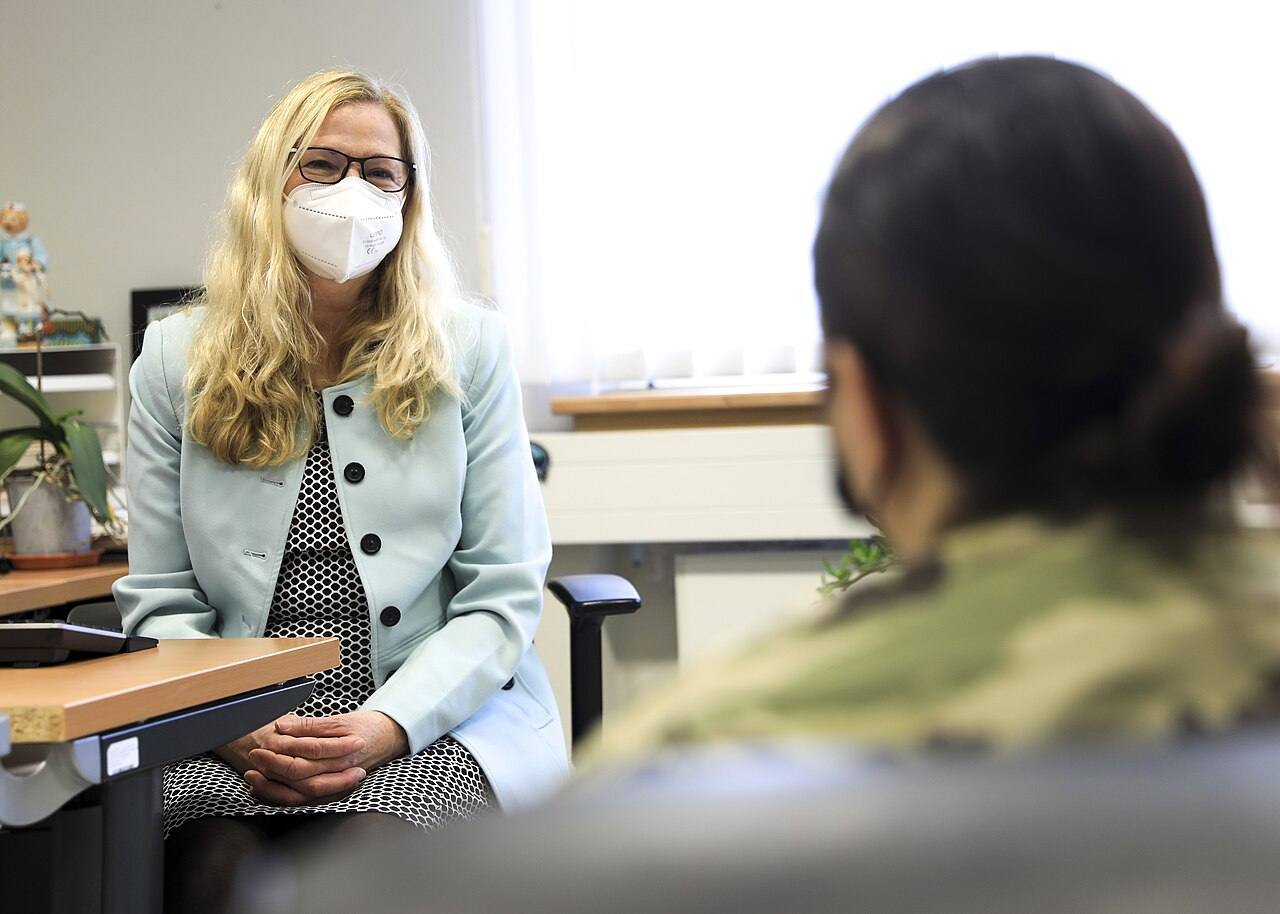
According to the U.S. Census Bureau, the proportion of Americans aged 65 and older is projected to surpass 20 percent by 2030. This demographic shift presents significant challenges for healthcare, Social Security, and the economy. While both the left and right agree that something must be done, their approaches often diverge dramatically, frequently leading to polarized debates that hinder meaningful progress.

Left-Wing Proposals: Expanding Medicare and Universal Healthcare
On the left, there is a strong push for expanding Medicare and adopting universal healthcare policies. Proponents argue that a robust healthcare system is essential to ensure that seniors receive the care they need without facing crippling costs. They emphasize that investing in preventive care can lead to healthier aging populations, ultimately reducing overall healthcare costs.
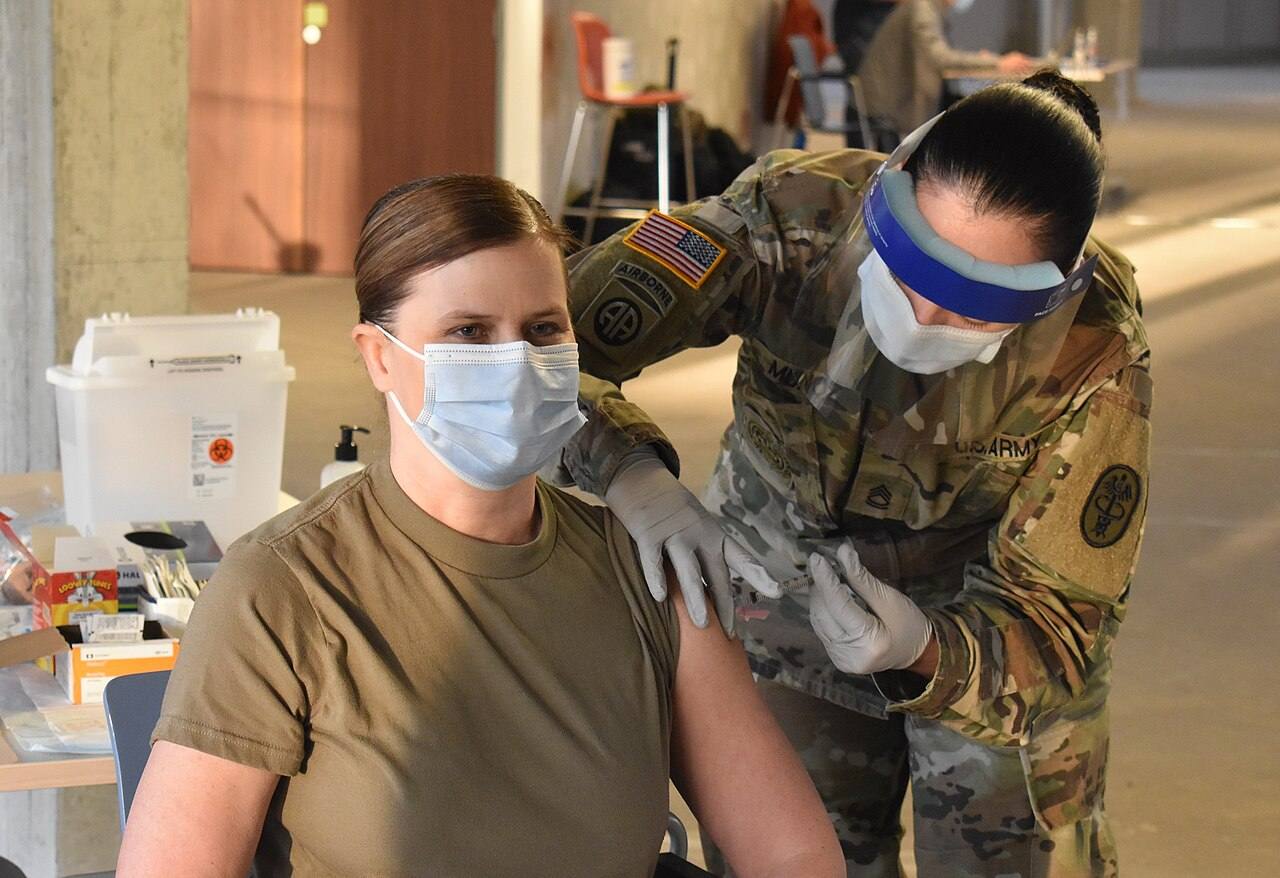
However, critics on the right argue that such proposals do not address the complexities of funding these expansive systems. The idea that Medicare can be expanded without significant tax increases raises eyebrows - especially among those who fear that such measures could stifle economic growth.

"We must ensure that our seniors have access to quality healthcare, but we cannot afford to ignore the economic implications of these expansions." - A conservative lawmaker
Right-Wing Proposals: Incentivizing Private Sector Solutions
Conversely, the right is advocating for solutions that rely heavily on the private sector. Proposals include tax incentives for businesses to create senior-friendly workplaces and promote innovations in elder care. Advocates argue that the free market will lead to better services and products tailored to the aging population’s needs.
Nevertheless, this approach has its own pitfalls. Critics contend that it risks overlooking the most vulnerable seniors who may not have the means to access private solutions. The tendency to glorify the private sector can lead to a neglect of public health initiatives that serve all demographics equally.
The Middle Ground: Finding Balance
While both sides present compelling arguments, the challenge lies in finding common ground. The reality is that America’s aging population requires a multifaceted approach that includes elements from both the left and right. Policymakers must recognize that neither extreme will adequately address the complexities of aging in America.
For example, why not combine the left's emphasis on preventive care with the right's focus on private sector innovations? By creating public-private partnerships, lawmakers could incentivize businesses to develop affordable healthcare solutions while ensuring that all seniors have access to basic care.
The Risks of Political Excess
In the current political climate, both extremes often resort to fear-mongering to rally their bases. The left warns of a dystopian future where seniors are left to fend for themselves without universal coverage, while the right paints a picture of economic ruin should taxes be raised to fund expansive programs. These narratives, while effective in mobilizing support, ultimately obscure the nuanced realities of aging.
Moreover, the excesses of both sides can lead to legislative gridlock. As each party digs in its heels, vital discussions about the future of elder care stall. It is essential for lawmakers to rise above partisan bickering and work collaboratively to develop comprehensive policies that truly benefit seniors.
The Road Ahead
As we navigate this complex landscape, it is crucial for both parties to acknowledge the realities of an aging population. With the baby boomer generation entering their golden years, the time for action is now. Rather than succumbing to the pitfalls of ideological excess, lawmakers must embrace a pragmatic approach that prioritizes the well-being of seniors without neglecting the economic implications of their proposals.
In the end, the health of our aging population is not just a political issue; it is a moral imperative that demands our collective attention and action. If both sides can set aside their differences, they may just find that the path to meaningful reform is paved with cooperation and compromise.
✦ ✦ ✦