From the file. Written for the paper dated August 2024. Opened in the public stacks July 14, 2026.
In an age where information flows as freely as the air we breathe, the delicate balance between the republic and rumor hangs perilously in the balance. As we navigate the political landscape of August 2024, it is crucial to examine what gets left out of the briefings - the narratives that are often overshadowed by partisan fervor.

The Echo Chamber of Partisanship
Both sides of the political aisle have become entrenched in their echo chambers, amplifying their own truths while dismissing opposing views. The left has become increasingly vocal about social justice issues, yet at times, this zeal morphs into a form of puritanism that rejects nuanced discussions. Meanwhile, the right rallies around traditional values, branding dissenters as out of touch or radical. In this climate, facts are often sacrificed on the altar of ideological purity, resulting in a dangerous game of selective narrative building.
"Facts are often sacrificed on the altar of ideological purity."
Take, for instance, the ongoing debates surrounding climate change and economic policy. While the left fervently pushes for sweeping reforms, they sometimes ignore the economic implications for working-class Americans. Conversely, the right's insistence on maintaining the status quo conveniently overlooks the escalating environmental crises affecting communities nationwide. Both sides are guilty of oversimplifying complex issues, leading to a populace that is poorly informed and polarized.
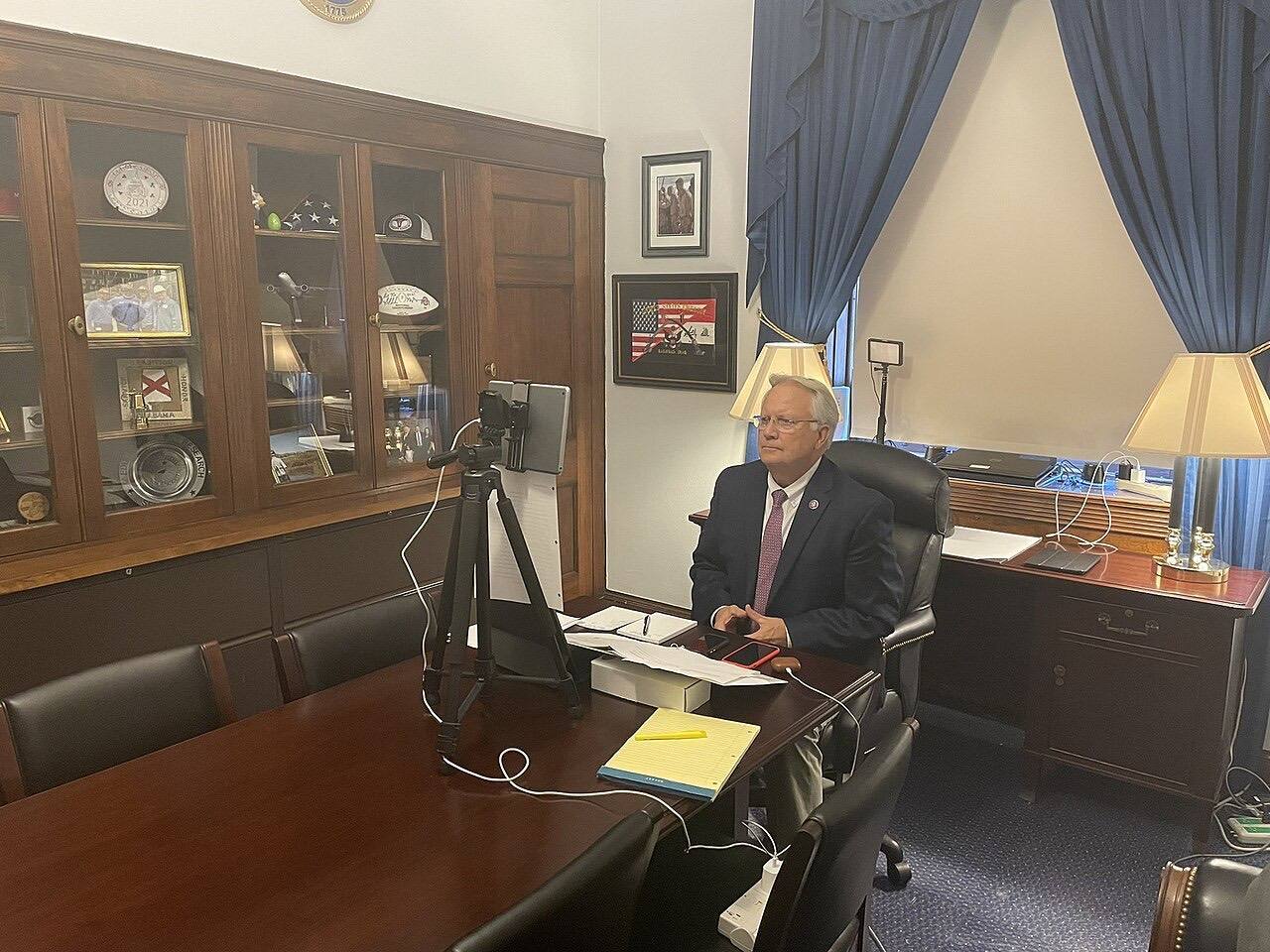
The Role of Media in Shaping Perception
Media, too, plays a significant role in perpetuating this cycle of misinformation. With breaking news dominating the headlines, critical context often gets lost amid sensationalism. Stories about burgeoning economic inequality or systemic injustice are frequently relegated to the back pages, overshadowed by the latest scandal or soundbite. This prioritization of outrage over substance cultivates a culture of distraction, where the public's attention is diverted from pressing matters that require thoughtful debate.
Moreover, the pressure to deliver rapid coverage often leads to a lack of depth in reporting. Investigative journalism, which is critical for holding power to account, is increasingly sidelined in favor of quicker, less thorough pieces. The resulting superficial understanding of critical issues leaves voters ill-equipped to make informed decisions at the ballot box.
Rumor as a Political Tool
Adding to this toxic mix is the malicious use of rumor as a political weapon. In the absence of substantial evidence, speculation and innuendo have become commonplace. The left accuses the right of fostering a culture of misinformation, while the right counters with claims of 'fake news' directed at mainstream media. Both narratives serve to distract from accountability and focus on discrediting the opposition rather than addressing the substantive issues at hand.
"Speculation and innuendo have become commonplace."
Political figures on both sides have mastered the art of narrative spin, crafting stories that serve their interests while undermining the opposing camp. This manipulation of public perception not only fuels division but also erodes trust in institutions. As voters become increasingly skeptical of news sources, the line between truth and falsehood blurs, complicating efforts to foster an informed electorate.
A Call for Responsible Discourse
To reclaim the narrative, a collective commitment to responsible discourse is essential. This means fostering environments where diverse perspectives can coexist and be debated without fear of retribution. It requires political leaders to prioritize transparency and accountability, rather than engaging in the blame game that has characterized recent years. If we are to strengthen our democracy, we must demand better from those who seek to represent us.
Conclusion: Bridging the Divide
As we stand at the crossroads of information and misinformation, it is time to ask ourselves: what kind of republic do we want to build? One that thrives on division and rumor, or one that unites through understanding and dialogue? The choice is ours, but it demands that we confront uncomfortable truths and engage with perspectives that challenge our own.
✦ ✦ ✦