From the file. Written for the paper dated August 2024. Opened in the public stacks July 14, 2026.
As the dust settles after the latest State of the Union address, we find ourselves grappling with the aftermath - a moment of reflection that often reveals more about our national discourse than the carefully curated speeches delivered from the podium.
Beyond the Rhetoric
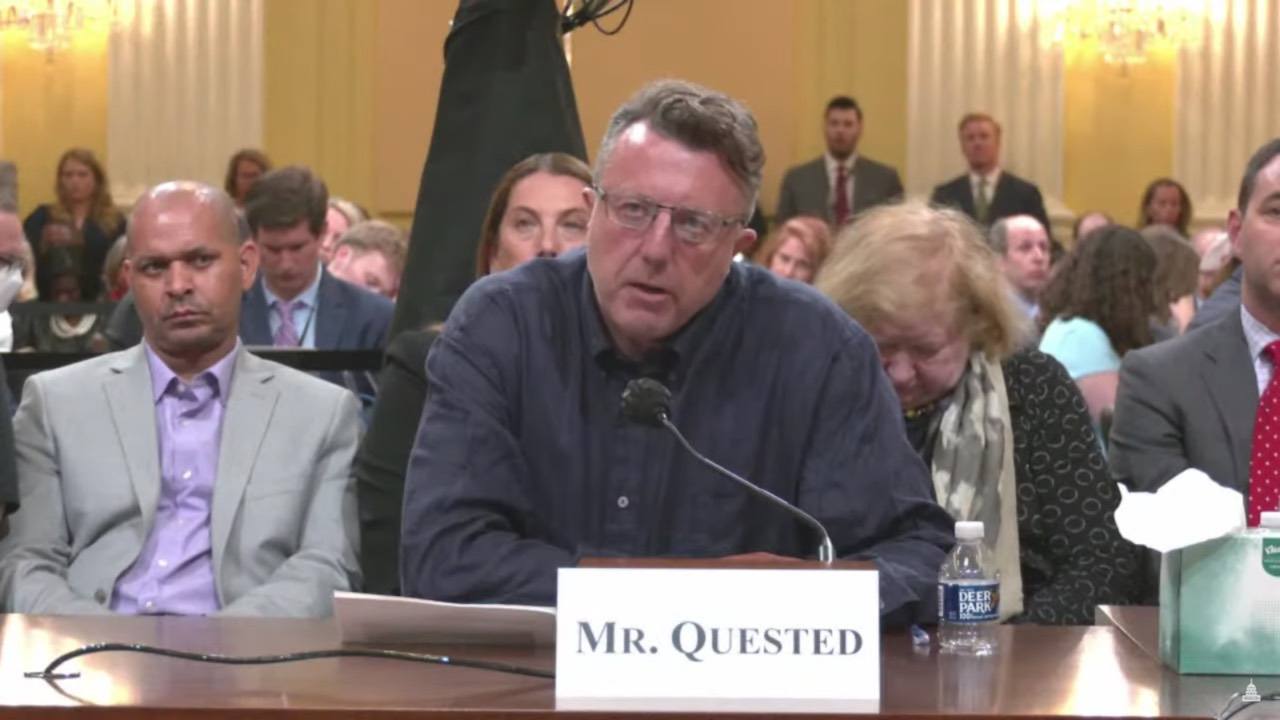
In a political landscape increasingly dominated by team affiliations - where loyalty to a party often overshadows the pursuit of truth - what gets left out of the briefings is crucial. The address itself, a parade of applause lines and partisan applause, serves more as a rallying cry than an opportunity for earnest dialogue. Each side, draped in its ideological colors, seeks to score points rather than engage in meaningful exchanges.
This year’s address was no exception. While the president outlined ambitious goals on infrastructure and healthcare, the underlying complexities of these issues were largely glossed over. For instance, the promise of investment in renewable energy was met with applause from the left, yet the practicalities - like the transition for workers in fossil fuel industries - received little attention. Critics on the right seized upon this omission, accusing the administration of prioritizing ideology over reality.
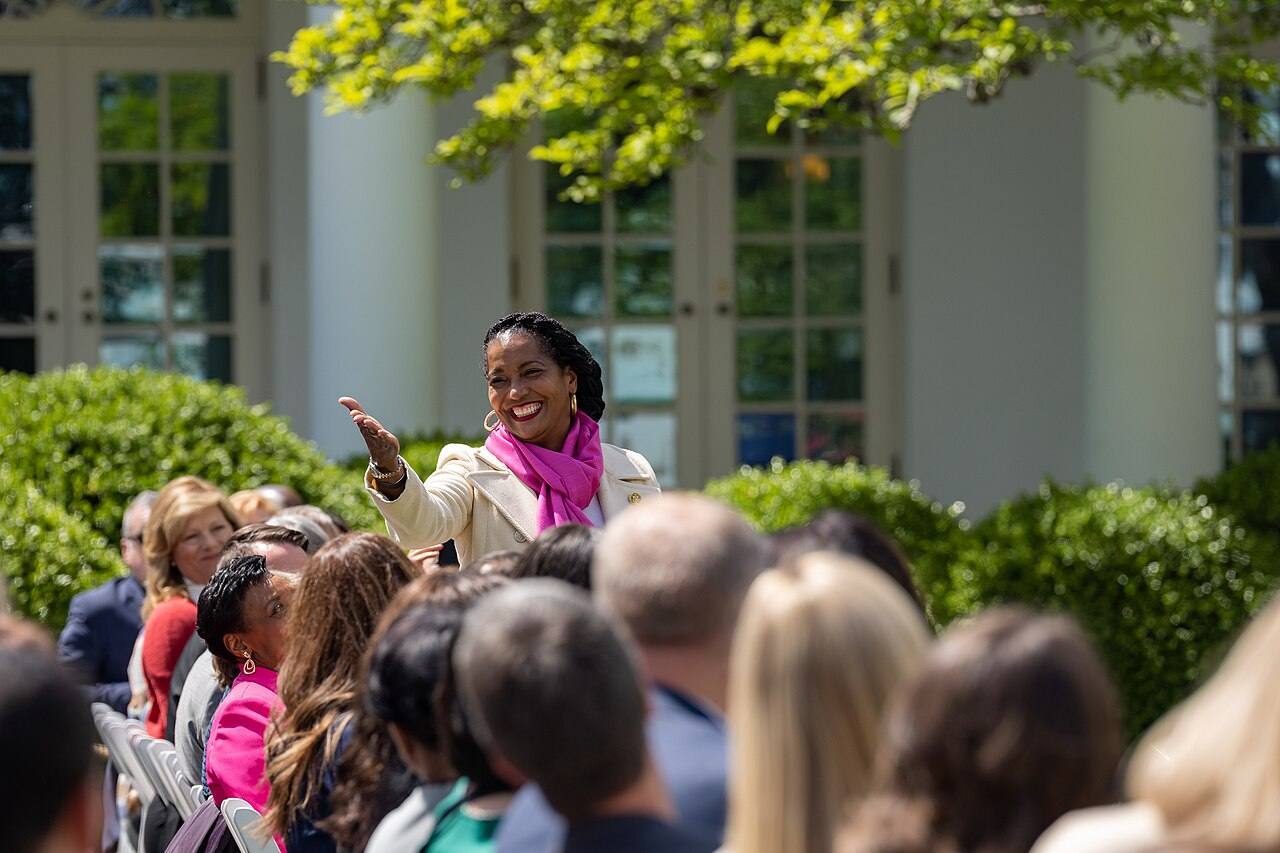
"In the race to score political points, substantial issues often remain unaddressed."
Partisan Polarization
The aftermath of the State of the Union showcases the widening divide in American politics. While Democrats celebrate advancements in social programs, Republicans decry what they perceive as government overreach. The result is a cacophony of competing narratives that seldom intersect. Where Democrats highlight progress in reducing poverty rates, Republicans counter with statistics on rising inflation, creating a vicious cycle of blame and counterblame.
As voters, we are caught in the crossfire of this excessive partisanship. The focus on winning arguments has eclipsed the necessity of collaboration. In a country facing challenges like climate change, economic disparity, and healthcare accessibility, the need for bipartisan solutions has never been more urgent. Yet, as both sides dig their heels in, the possibility of compromise seems increasingly out of reach.
Media’s Role in the Narrative
The media, often seen as the watchdog of democracy, has its own role in shaping the aftermath of such political events. Coverage tends to favor sensationalism, focusing on the drama of political squabbles rather than the substance of policy discussions. This creates a feedback loop where voters become more entrenched in their positions, influenced by headlines that prioritize shock value over factual reporting.
Moreover, the tendency to frame issues in terms of “us versus them” further exacerbates societal divisions. Stories that should unite us - like the challenge of healthcare reform - are often reported in ways that incite division. This, in turn, influences how we perceive each party’s agenda and the very fabric of our democracy.
Voices from the Ground
Amidst this backdrop, the voices of everyday Americans often go unheard. The concerns of working families, small business owners, and marginalized communities are drowned out by the political theater that unfolds in Washington. Issues like childcare affordability, housing insecurity, and educational inequities are frequently mentioned but rarely addressed in a meaningful way. These topics deserve more than passing references; they warrant comprehensive policies aimed at real solutions.
While politicians engage in a tug-of-war over who can claim victory in the latest legislative battle, the lives of ordinary citizens continue to hang in the balance. The divide between the political elite and the general populace is growing wider, and the consequences of this disconnect are profound. The very fabric of our democracy relies on the acknowledgment of diverse experiences and the inclusion of all voices in the conversation.
Looking Ahead
As we process the aftermath of the State of the Union address, it is essential for us to demand more from our leaders. We need to hold them accountable not only for their promises but also for the realities that go unmentioned. The path forward requires an acknowledgment of the complexities surrounding the issues we face, as well as a commitment to work across party lines to find solutions.
Ultimately, the State of the Union should serve as a call to action - not just for elected officials, but for all of us. It is time to move past the team jerseys and engage in the hard work of building a future that is equitable and just for everyone.
✦ ✦ ✦