From the file. Written for the paper dated August 2024. Opened in the public stacks July 14, 2026.
In an age where information is abundant yet often superficial, the importance of engaging with primary sources cannot be overstated. Yet, as we navigate the political landscape in August 2024, it becomes increasingly clear that both the left and right are guilty of selective reading, often throwing on their team jerseys before diving into the archives.

The Importance of Primary Sources
Primary sources serve as the bedrock of historical understanding and political discourse. They provide firsthand accounts of events, decisions, and ideologies that shape our society. However, the challenge lies not just in accessing these documents but in interpreting them without bias. In the current climate, it seems that many are more interested in supporting their pre-existing narratives than in seeking the truth. A careful reading of primary sources can reveal nuance and complexity often glossed over in partisan briefings.
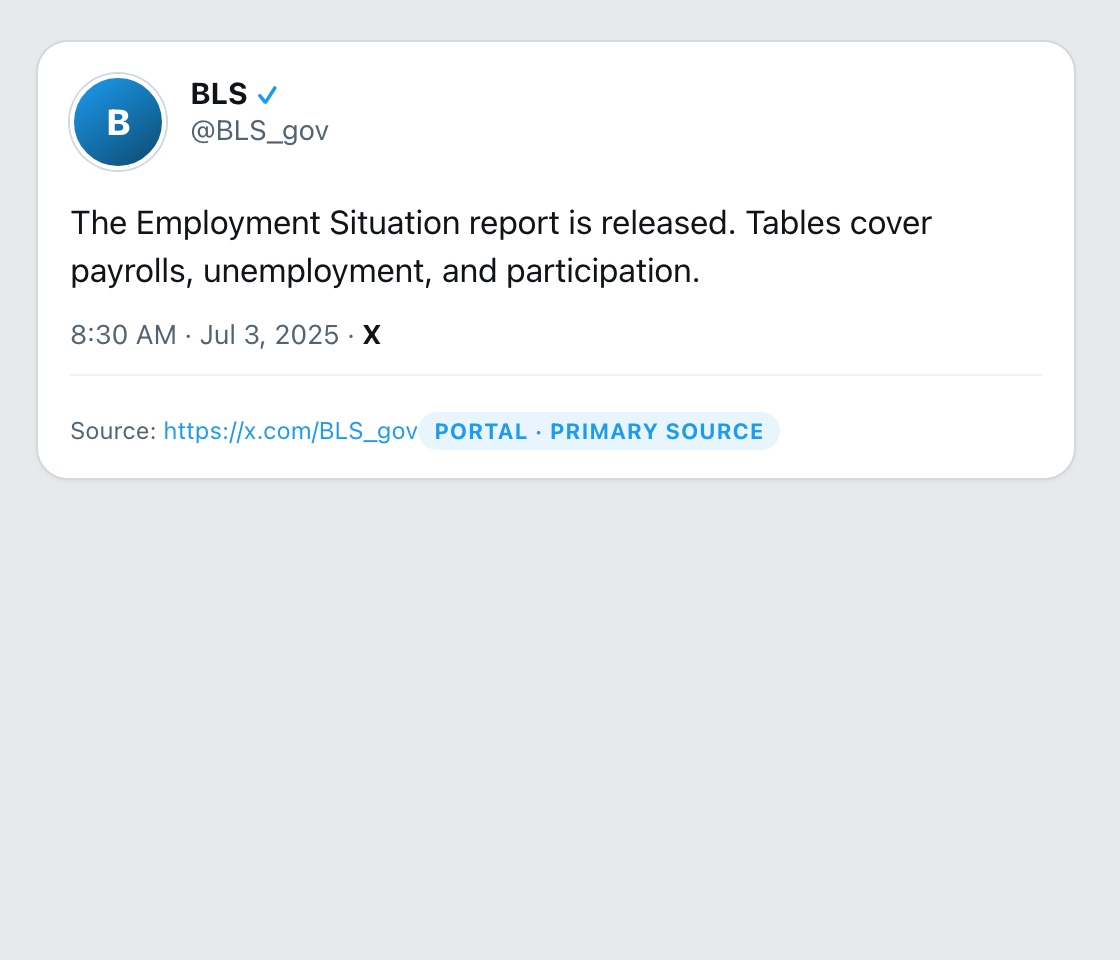
Left vs. Right: The Selective Narrative
On the left, there is a tendency to emphasize documents that highlight systemic oppression and inequality. While these issues are critical and deserving of attention, the focus can sometimes skew the broader context. For example, a briefing might highlight a government report on racial disparities in law enforcement while neglecting to mention simultaneous efforts made by community organizations to foster dialogue and reform. This selective emphasis can foster a sense of hopelessness, overshadowing the myriad of voices working towards solutions.

Conversely, the right often leans heavily on sources that frame issues from a perspective of individual responsibility and free market success. This is evident in discussions surrounding economic policy, where statistics about job growth under certain administrations may be highlighted, but the accompanying data on wage stagnation or income inequality is conveniently overlooked. This one-sided portrayal can lead to a distorted understanding of the socio-economic fabric of our nation.
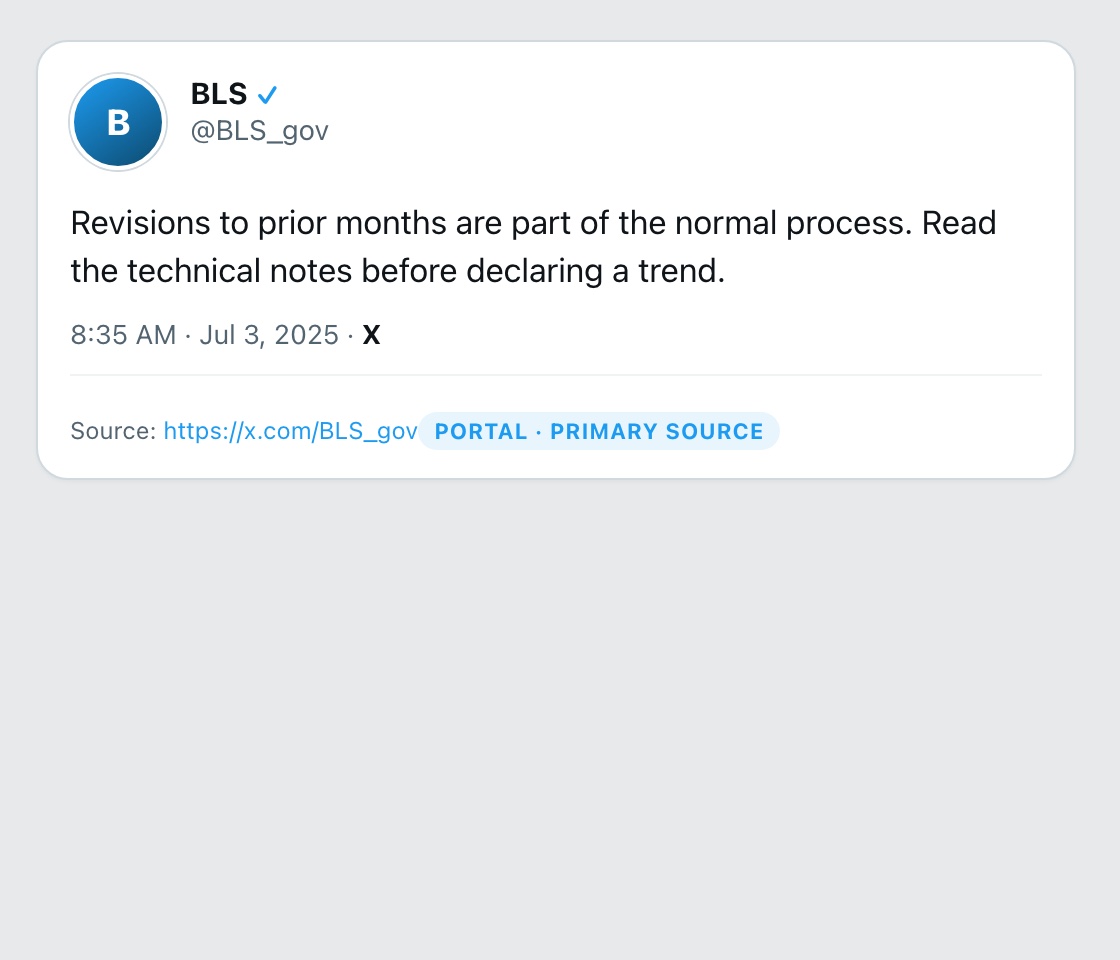
"Both sides risk reducing complex realities to soundbites, undermining the rich tapestry of our history."
The Danger of Team Jerseys
Wearing a metaphorical team jersey while approaching primary sources not only perpetuates division but also stifles intellectual curiosity. This phenomenon is evident in the way certain groups rally around specific documents, often taking them out of context to support a political agenda. The result is a polarized discourse that lacks depth and fails to engage with the actual complexities of the issues at hand.
Consider the recent debates around climate policy. Environmental activists often cite scientific reports emphasizing the urgency of climate change without acknowledging the economic ramifications of proposed solutions. On the other side, skeptics may latch onto outdated studies that question the validity of climate models while ignoring newer research that calls for immediate action. Both sides may cling to their respective sources, but in doing so, they miss an opportunity for constructive dialogue.
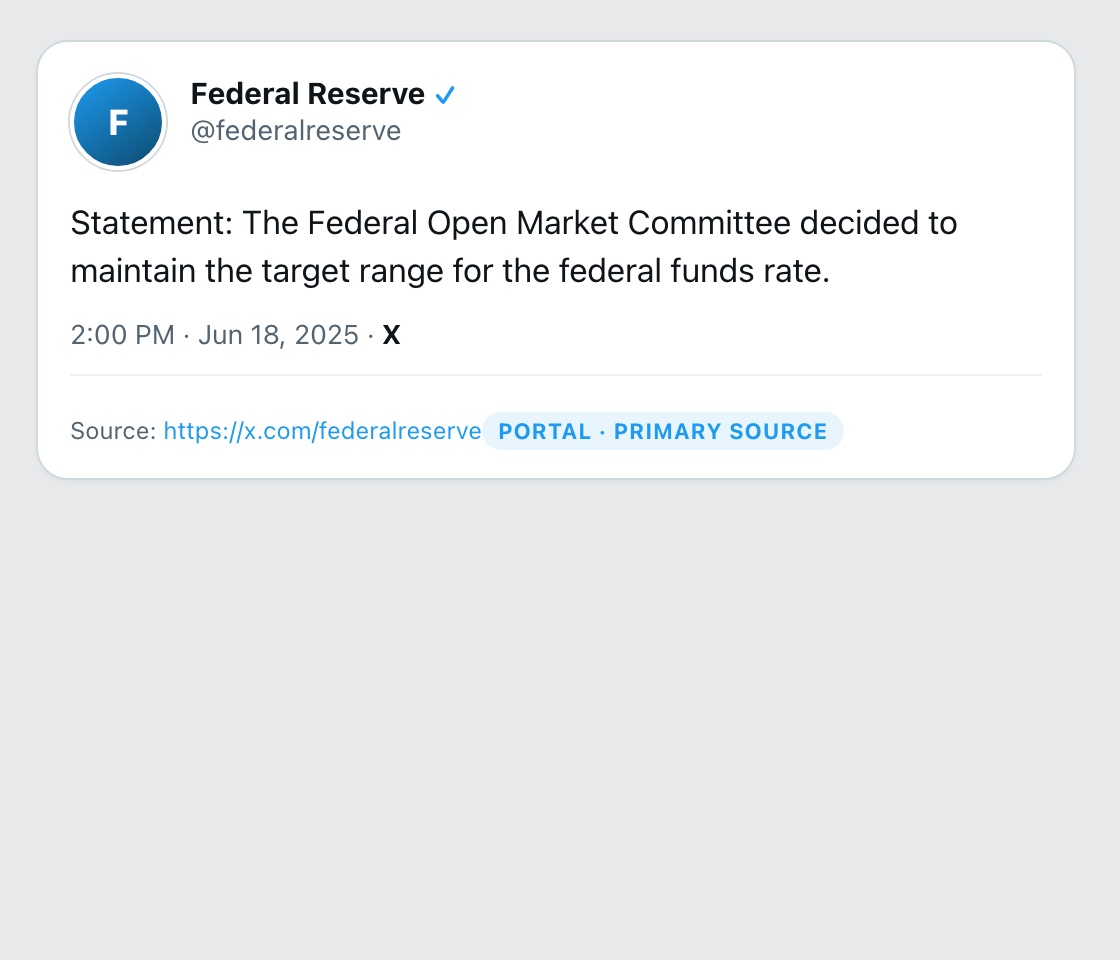
A Call for Balanced Interpretation
To truly engage with primary sources, it is essential to adopt a balanced approach. This means not only seeking out documents that align with our beliefs but also challenging ourselves to confront sources that present opposing viewpoints. By doing so, we cultivate a more informed citizenry capable of nuanced discussions.
Bridging the Divide
As we move forward, it is crucial for both sides of the political spectrum to recognize the value of engaging with primary sources without the bias of team loyalty. This isn't merely an academic exercise; it is a necessity for fostering constructive conversations that can lead to real change. Only by embracing a more inclusive approach to our historical documents can we begin to bridge the divide that has come to characterize our political landscape.
Moreover, educators and public institutions should play a pivotal role in encouraging this balanced interpretation. Workshops, community discussions, and public lectures can serve as platforms for presenting diverse viewpoints and engaging with primary sources in a meaningful way. This can help demystify the archives and make them accessible to all, regardless of ideological leanings.
✦ ✦ ✦
For local service context, see Ownersfirm.