From the file. Written for the paper dated August 2024. Opened in the public stacks July 14, 2026.
In a world where transparency is touted as a cornerstone of democracy, the reality of lobbying disclosure often reflects a different narrative - one where critical details slip through the cracks.
The Veil of Transparency
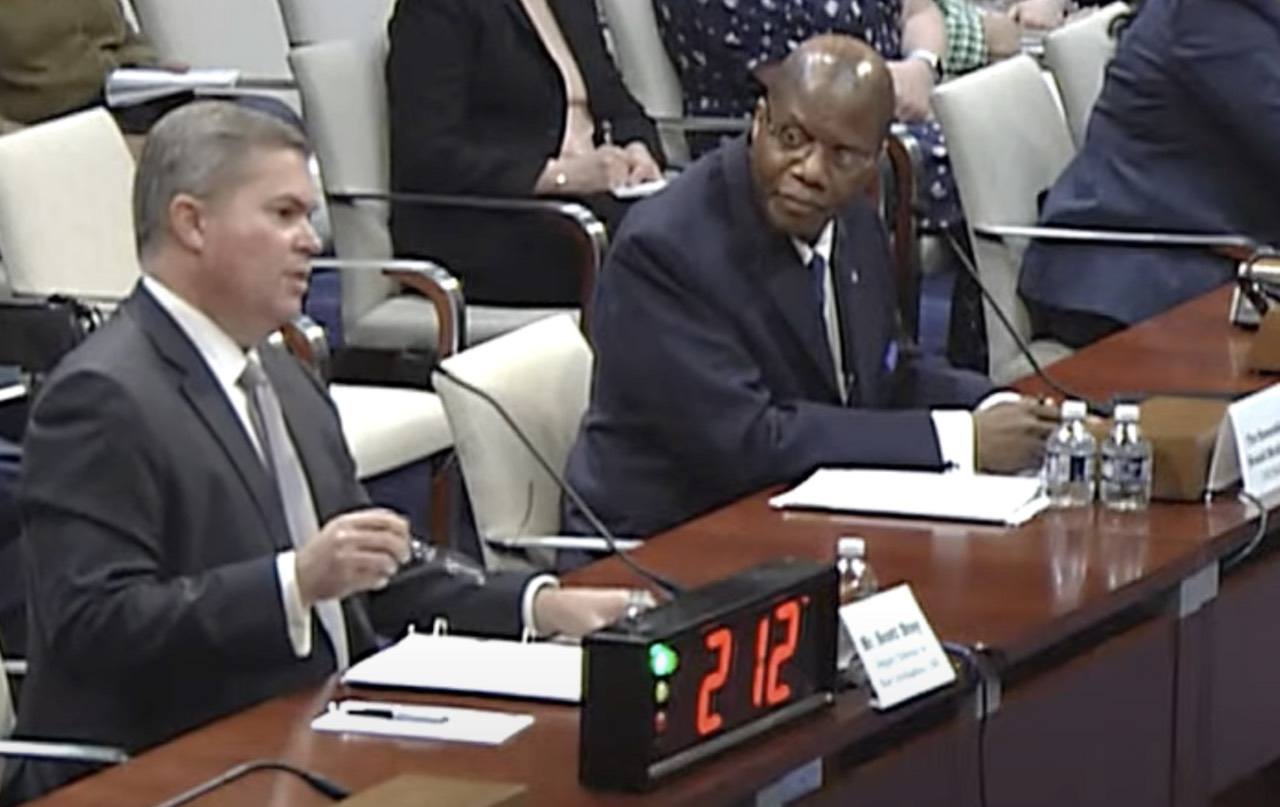
As the August sun blazes down on Capitol Hill, lobbyists shuffle through the corridors of power, armed with influence and, often, a team jersey that reads "special interest." Despite the promises of transparency surrounding lobbying activities, the mechanisms for disclosure remain frustratingly opaque. While lawmakers and their aides may dutifully file their reports, the public is left grappling with a patchwork of information that seldom reveals the full picture.
The Lobbying Disclosure Act requires lobbyists to register and report their activities, but the law is riddled with loopholes. One major shortcoming is the exemption for grassroots lobbying - efforts aimed at mobilizing the public to contact legislators on specific issues. This type of lobbying often operates under the radar, allowing wealthy organizations to wield considerable influence without the accountability that comes with traditional lobbying disclosure.

"Transparency is meaningless if the essential details are obscured by legal loopholes."
Partisan Pitfalls
The debate surrounding lobbying reform has become a battleground for the political left and right, each side accusing the other of excessive influence. Progressives argue that corporate lobbyists wield disproportionate influence over policy decisions, often drowning out the voices of ordinary citizens. Meanwhile, conservatives lament regulations that they believe stifle free speech and hamper their ability to advocate for their constituents.
However, both extremes miss a crucial point: the current system fails to adequately inform the public about the full scope of lobbying activities. While the left calls for stricter regulations and increased disclosure, the right often promotes deregulation under the guise of protecting First Amendment rights. In the midst of this partisan tug-of-war, the public remains in the dark about who is truly influencing their representatives.
The Cost of Access
In a recent report, the Center for Responsive Politics revealed that more than $3.5 billion was spent on lobbying in 2023 alone. This staggering figure raises an uncomfortable question: who is benefiting from these expenditures? The answer is often not as clear as one might hope. Lobbying firms, representing a myriad of interests - from pharmaceuticals to technology - engage in a constant dance of influence, but the specifics of their interactions with lawmakers often remain undisclosed.
Moreover, the revolving door between government and industry further complicates the landscape. Former lawmakers and aides frequently transition into lobbying roles, leveraging their connections to gain access to their former colleagues. This practice raises ethical concerns and creates a perception of corruption, as the lines between public service and private gain blur.
Calls for Reform
As the 2024 election cycle heats up, calls for reform are growing louder from both sides of the aisle. Progressive lawmakers advocate for measures that would strengthen disclosure requirements, such as mandating the reporting of grassroots lobbying efforts and enhancing penalties for non-compliance. On the other hand, some conservative voices argue for a more laissez-faire approach, promoting the idea that individuals have the right to advocate for their interests without government interference.
This polarization has led to a significant stalemate in Washington, where meaningful reform remains elusive. The irony is palpable: both sides profess a commitment to transparency, yet their efforts often serve to entrench their own positions rather than foster genuine accountability. The push for reform is not merely a partisan issue; it is a question of public trust in the democratic process.
Looking Ahead
As August draws to a close, the conversation surrounding lobbying disclosure is likely to intensify. With the election looming, candidates are faced with a critical decision: will they prioritize the interests of their constituents, or will they continue to cater to the powerful lobbyists who line their campaign coffers? The stakes are high, and the public deserves to know who is truly advocating for their interests.
In a time when polarization seems to dominate the political landscape, it is imperative that we demand greater transparency from our lawmakers. The excesses of both left and right must be acknowledged, and a balanced approach to lobbying reform must be pursued. Only then can we hope to illuminate the shadows of influence that continue to shape our democracy.
✦ ✦ ✦