From the file. Written for the paper dated August 2024. Opened in the public stacks July 14, 2026.
In an era characterized by fierce partisanship, the FDA's approval process stands as a crucial yet often overlooked component of public health policy. The complexities and nuances of these approvals are frequently lost in the shuffle, overshadowed by the political narratives on both sides.

The Approval Process: A Double-Edged Sword
The FDA's role in ensuring that drugs and medical devices are safe and effective is vital. However, the approval process has become a battleground for ideological warfare. On one side, advocates for rapid approvals argue that the agency is too slow, stifling innovation and delaying access to potentially life-saving treatments. On the other, critics caution against hastening the process, fearing that shortcuts could lead to dangerous consequences for patients.

What gets left out of the briefings and the heated debates is the fact that the FDA operates within a framework of scientific rigor, yet is often subject to pressures from both the pharmaceutical industry and political entities. This duality creates a tension that complicates the narrative surrounding drug approvals. For instance, while proponents of expedited approvals claim that the FDA is dragging its feet, they tend to overlook the agency's need to balance speed with safety.
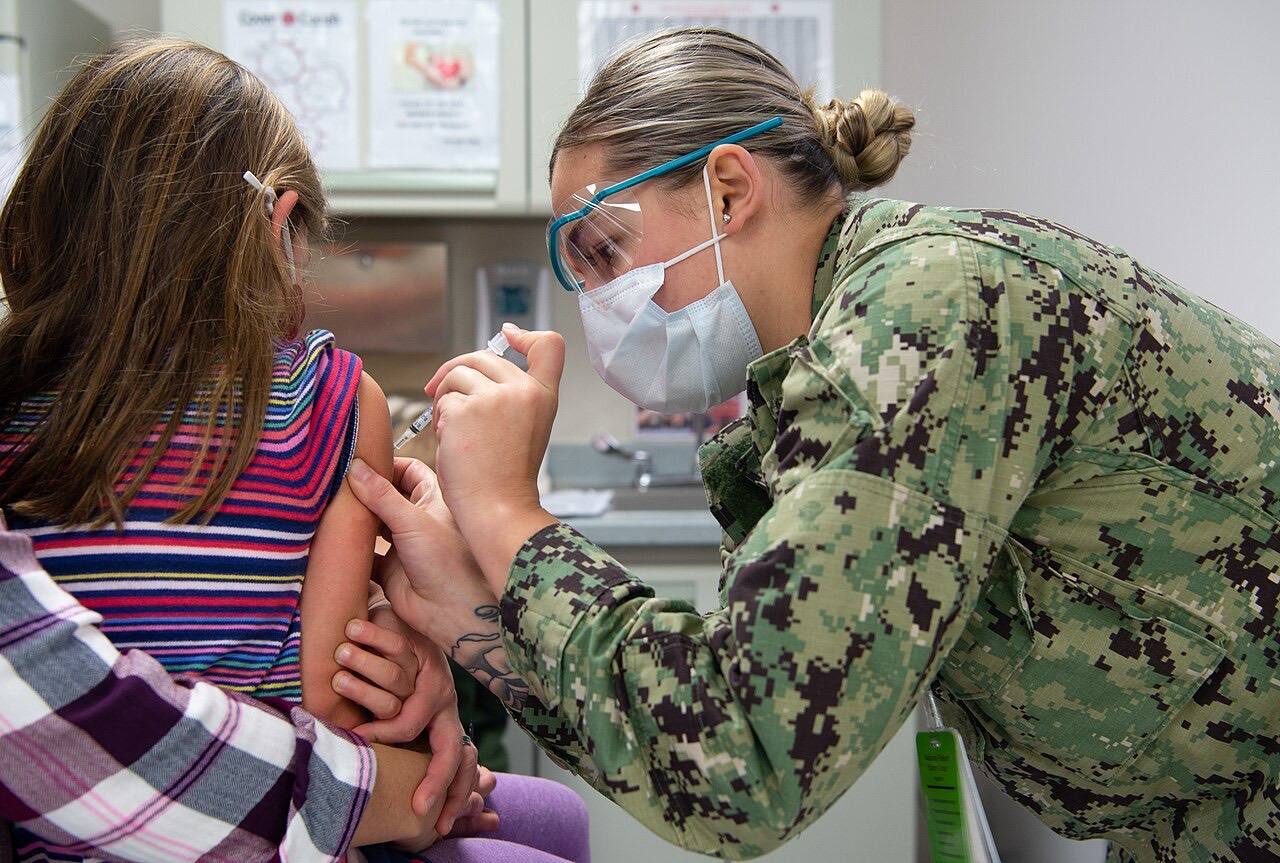
“The FDA's approval process is not just about speed; it’s about ensuring the safety of millions.”
Political Narratives and Their Consequences
The left often criticizes the FDA for being too cozy with pharmaceutical companies, perpetuating an idea that profit motives overshadow patient safety. This perspective, while highlighting important issues of corporate influence, risks painting the FDA as entirely compromised. The agency has made strides in transparency and accountability, but these accomplishments rarely make headlines.
Conversely, the right tends to champion the idea of deregulation, arguing that easing restrictions could unleash the next wave of medical breakthroughs. While there is merit in reducing red tape, this approach often ignores the importance of rigorous testing and evaluation processes. The result? A potential recipe for disaster, where patients could be exposed to untested or inadequately tested therapies simply to satisfy the demands for faster approvals.
What’s Missing from the Discussion?
In the clamor for reform, one crucial aspect often gets overlooked: the voices of the patients and healthcare providers who directly interact with these products. Their experiences provide invaluable insights that can inform both the approval process and subsequent post-market surveillance, yet they are frequently sidelined in favor of political posturing.

Moreover, the FDA's decisions are not made in a vacuum. Stakeholders, including researchers, healthcare professionals, and patient advocacy groups, play a critical role in shaping the discourse surrounding drug approvals. However, their contributions often go unrecognized in public discussions dominated by partisan rhetoric.
The Need for Inclusive Dialogue
To foster a more balanced understanding of the FDA's work, it is imperative that discussions about drug approvals incorporate a wider array of perspectives. This means including the voices of patients who live with chronic conditions, healthcare providers who prescribe these medications, and researchers who study their efficacy. An inclusive dialogue can help demystify the complexities of the approval process, allowing the public to understand not only the science behind drug development but also the ethical considerations that guide the FDA's decisions.
Moreover, acknowledging the limitations and challenges faced by the FDA can help build trust in the agency. When people understand that the approval process is not simply a matter of ticking boxes, but rather a careful balancing act of safety, efficacy, and public health, they may be more likely to support its initiatives - even when those initiatives are politically contentious.
Conclusion: Bridging the Divide
The FDA approval process is a vital component of American healthcare, yet it is often caught in the crossfire of political ideologies. Both the left and right have valid concerns, but these concerns can lead to oversimplified narratives that fail to capture the complexities of public health governance. By fostering a more nuanced dialogue that includes diverse perspectives, we can move toward a more comprehensive understanding of the FDA's critical role in ensuring that the medicines and devices we rely on are safe and effective.
✦ ✦ ✦