From the file. Written for the paper dated July 2024. Opened in the public stacks July 14, 2026.
In an era defined by environmental vigilance and public health awareness, the debate over water contamination is heating up, with both left and right extremes often misrepresenting the facts.

Understanding Water Contamination
Water contamination has become a lightning rod for political discourse. Environmental activists warn of a rising tide of pollutants, while some industry advocates downplay the risks with claims of safety. But what do the actual numbers reveal about the state of our drinking water?
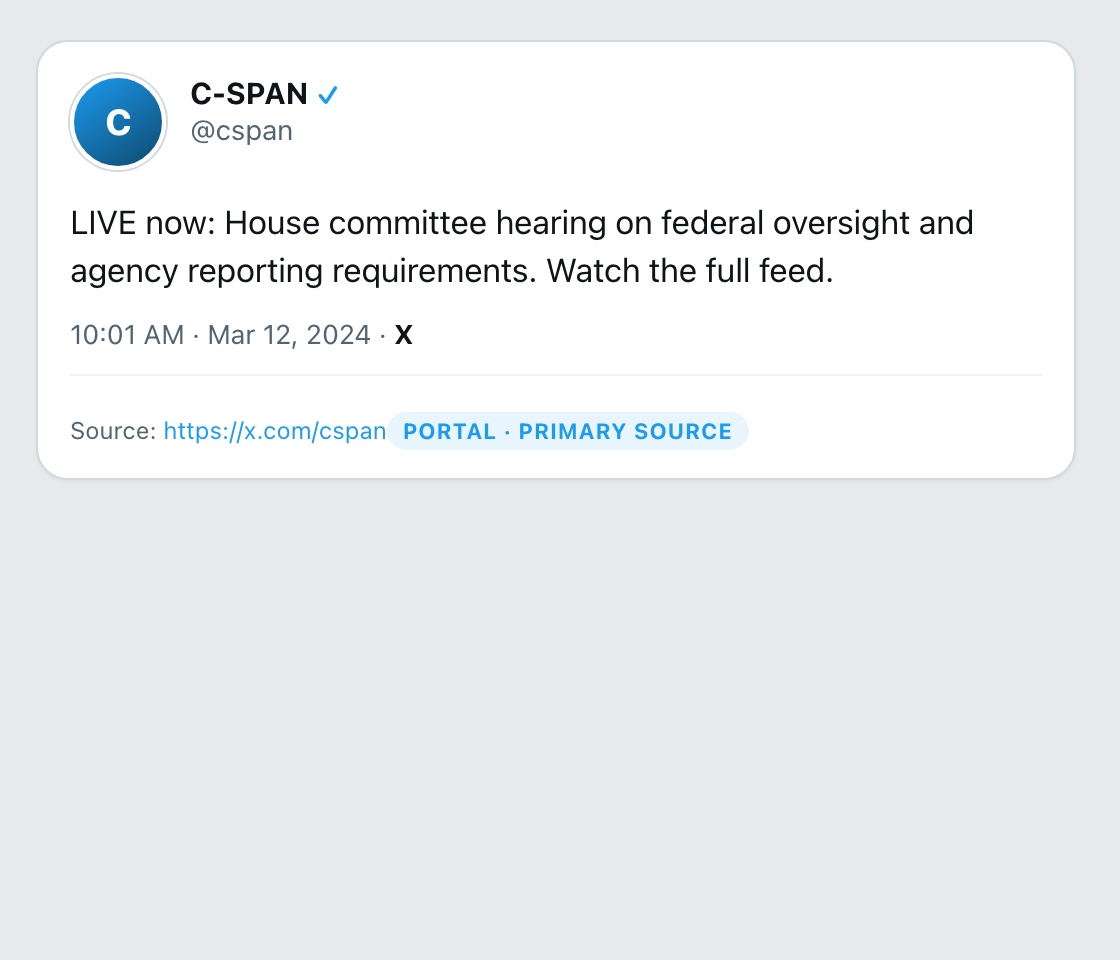
Recent reports from the Environmental Protection Agency (EPA) indicate that while significant strides have been made in reducing certain contaminants, challenges remain. For instance, lead levels in drinking water have decreased 50 percent since the 1990s, yet isolated incidents - such as the ongoing crisis in Flint, Michigan - remain stark reminders of the systemic issues that still linger.

The Left's Alarmism
On one side of the spectrum, many environmental groups have taken an alarmist stance, pushing narratives that suggest a nationwide crisis. They cite figures that show millions of Americans live in areas with potential contamination risks. While there is truth in these claims, the oversimplification of data can lead to public panic rather than constructive action.
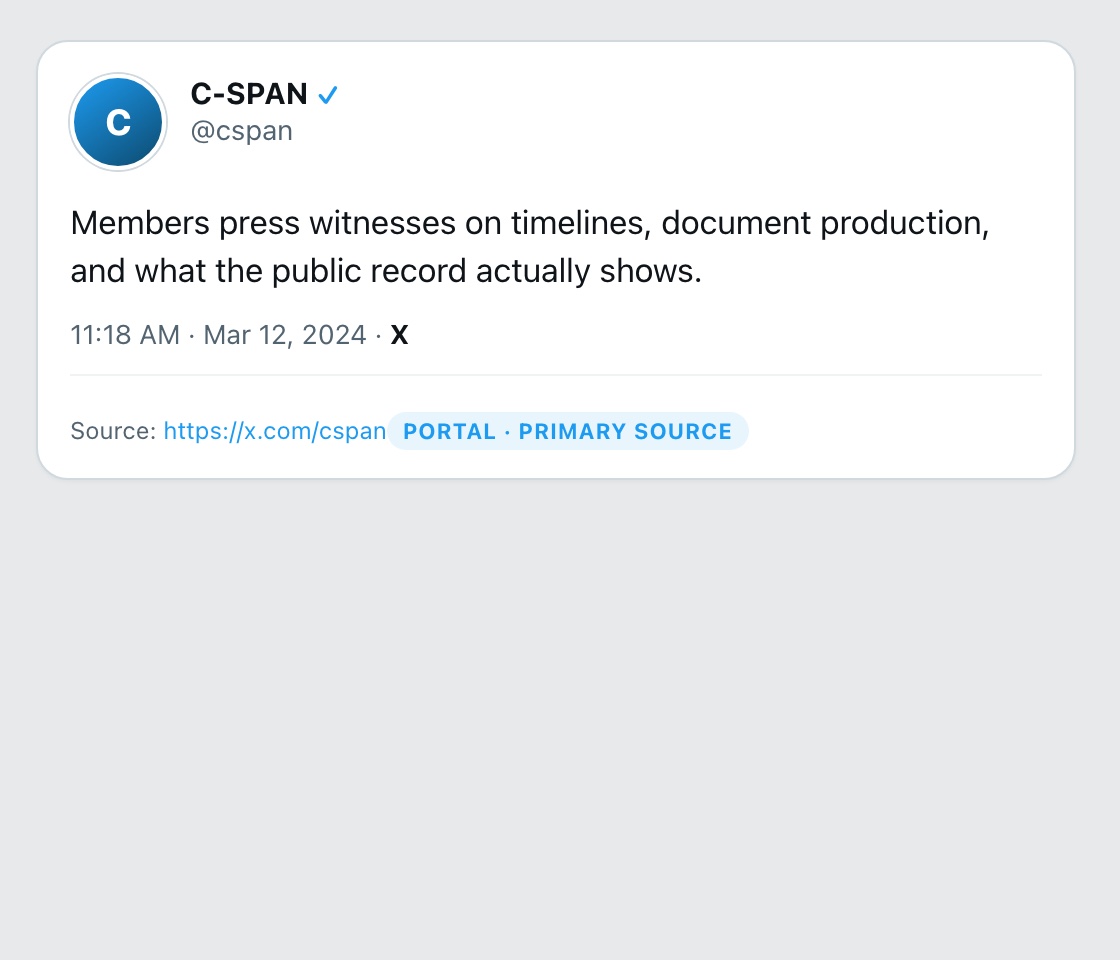
For example, the assertion that "over 63 million Americans drink water with unsafe levels of contaminants" fails to account for the context or the nature of those contaminants. Many of these reports lump together various pollutants without differentiating between actual health threats and those that are merely below actionable levels. Such sensationalism often serves to galvanize support, but it risks alienating those who might otherwise join the cause for reform.
"Alarmist narratives can lead to public panic rather than constructive action."
The Right's Denial
Conversely, the right often downplays the issue, focusing on economic impacts rather than the health risks posed by contaminated water. Industry representatives frequently argue that the regulatory framework is too stringent and that it stifles innovation. This perspective can lead to the dangerous notion that water quality issues are overblown or even fabricated to justify government regulations.

Such denial can be harmful. While it is important to balance economic growth and environmental protection, dismissing the health risks associated with water contamination can lead to dire consequences for communities that are already vulnerable. Ignoring legitimate concerns can prevent meaningful dialogue and stymie progress toward solutions.
The Complexity of Contamination
One of the most challenging aspects of discussing water contamination is the sheer complexity of the issue. According to the EPA, there are more than 80,000 chemicals used in various industries across the United States, complicating contamination assessments. This vast array of substances means that localized testing is necessary to understand the specific risks in any given area.
Moreover, factors such as infrastructure age, industrial activity, and agricultural runoff contribute to the variability in water quality. This means that while some regions may have clean water, others may be grappling with toxic levels of pesticides or heavy metals. A one-size-fits-all solution is not only impractical but could also exacerbate existing disparities.
Path Forward
So, what can be done to address this critical issue? First, both sides of the political spectrum must engage in honest dialogue based on scientific evidence rather than fear or denial. Environmentalists need to present data responsibly, while industry advocates must acknowledge the legitimate concerns of communities affected by contamination.
Additionally, investing in infrastructure upgrades and adopting sustainable practices can help mitigate contamination risks. Policies that encourage innovation in water treatment technology and stricter regulations on pollutants can lead to cleaner water for all.
Ultimately, tackling water contamination requires a collaborative approach. It demands that both sides of the political aisle put aside their extremes and work towards a common goal: ensuring safe, clean drinking water for every American.
✦ ✦ ✦